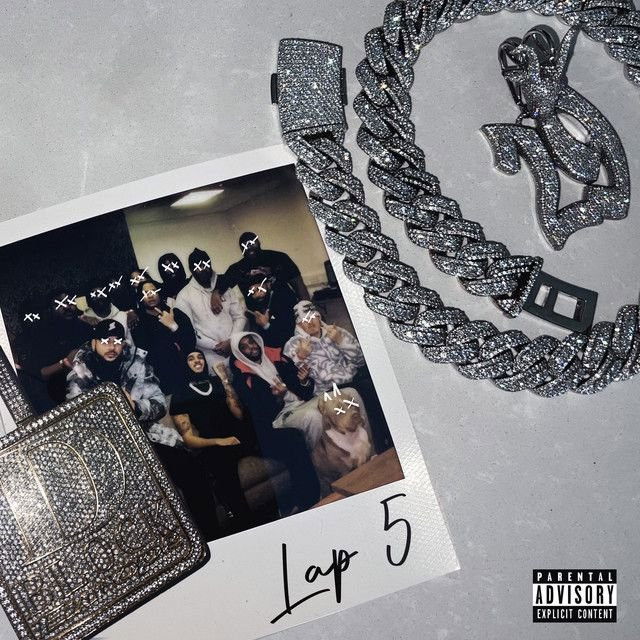
Man In The Mirror by D-Block Europe, Young Adz
They call it a mirror for a reason. Man In The Mirror turns Young Adz’s street memories into a blunt, inward look at loyalty, money, faith, and the cost of growing up fast. For readers searching for the meaning of Man In The Mirror D-Block Europe, Young Adz, this piece hears a confession wrapped in confidence: success didn’t erase the past—it sharpened it.
"Man In The Mirror" - D-Block Europe, Young Adz
Bought a few brizzies and bought a couple smokes
He knee deep in the field, but he just wants some hope
Loading lyrics...
Unable to load lyrics
We're unable to display the lyrics at this time. Please try again later.
Self-Check In The Frost: What It’s Really Saying
The heart of the song is accountability. Early lines admit that life gets hard
, but the tone isn’t self‑pity—it’s inventory. He recalls hustling, family troubles, friends lost to addiction, and a code that kept him standing. The narrator owns both the grind and its limits, noting how profit changes relationships: people watch hella people change
once the money arrives.
Interpretation: The mirror is a conscience. The coupe is motion. He measures whether progress came from discipline or from compromises he can’t accept. Even the flexes feel somber, as if status can’t warm the winter he describes.

Watch the official Man In The Mirror
music video
Who’s Talking—and Who’s Being Addressed
The voice is first-person, speaking to multiple audiences at once: himself (the mirror), his crew, and listeners outside their world. UK slang sharpens that focus. “Darg” means a close friend; “bird” is a prison sentence. References to Top Boy and Dushane ground the song in London street culture without glamorizing it.
Man in the mirror, man in the coupe Middle of the winter, lean stains my Canada Goose
That image pairs self-judgment with icy luxury. The coat is premium, but it’s stained—success touched by vice. It’s a cold scene and a cold feeling.
Moments That Build the Story
Across the verses, they sketch a life where wins and wounds arrive together:
- Failure isn’t a punchline; it’s a ritual. He says he
failed a thousand times
yet didn’t fold. - Principle over shortcuts. He “could’ve sold out” but
sat with the truth
, choosing slow, steady authenticity. - The street keeps receipts. Family can’t always be trusted; addictions ruin loyalties; a weapon sold in a feud becomes a moral collapse.
- Fatherhood slips in—speeding with his daughter—showing risk doesn’t fully leave, even when life levels up.
- Industry ambivalence appears when he skips big award moments. He wants craft and control, not applause on command.
Interpretation: The timeline isn’t linear; it’s a loop. Every gain drags a memory behind it, and every loss asks for another plan.
What The Hook Means Right Now
The repeated mirror/coupe idea reframes the verses as an inner audit. He stares at himself, then accelerates forward. That tension powers the hook’s charge: success is no shield from self‑evaluation. When he asks, are you hearin' me now?
, it’s less bravado than a demand to be understood on his terms.
Interpretation: The song argues that real change is private first. The audience only sees what survives the mirror.
Symbols That Carry the Weight
- Winter and Canada Goose: wealth can insulate, but stains show the mess that money can’t clean.
- Coupe and bikes: movement and escape, but also risk—speed, pursuit, consequences.
- Prayer and Shahada: a search for renewal and discipline. Duaa for an elder hints at care for flawed people while refusing their mistakes.
- Top Boy/Dushane: not cosplay—context. The streets are real politics with real costs.
- Pounds and planes: work becomes legal profit; “Gelato to south” turns grind knowledge into business reach.
When he vows to turn the pain into pounds
, it’s an ethic of alchemy—transforming hurt into value, not just cash.
How The Sound Holds The Story
Musically, it rides a moody, mid‑tempo trap bounce with melodic, tuned vocals. The mix leaves room for lines to land, favoring atmosphere over percussion overload. That restraint suits a confessional tone: the beat keeps moving, but nothing rushes the words. Adz’s cadence bends between rap and melody, underscoring the distance between who he was and who he’s trying to be.
Interpretation: The minor-key feel acts like the winter in the lyrics—cool, polished, a little numb. The performance warms it with human grain.
Another Way To Hear It—and The Takeaway
- Interpretation 1: Redemption in progress. The mirror is a checkpoint. Faith, fatherhood, and patience redraw his code.
- Interpretation 2: Survivor’s guilt. Success can’t cancel what happened; it only funds the future and buys time to think.
Either way, the meaning of Man In The Mirror D-Block Europe, Young Adz lands on the same truth: growth is messy, and honesty is the luxury that matters most.
Disclaimer: This interpretation draws on lyrical analysis and cultural context. Listeners may reasonably hear different meanings based on their experiences.








