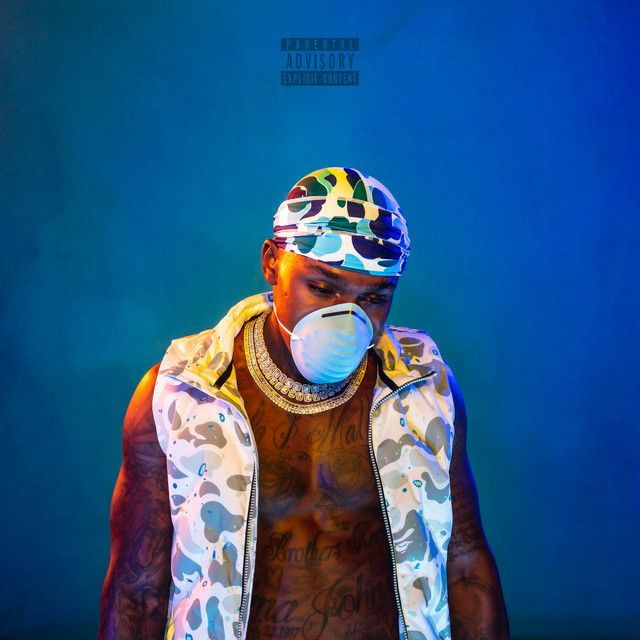
BLAME IT ON BABY by DaBaby
DaBaby’s title track is a swagger-fueled mission statement: if there’s noise around him, he’ll turn it into a hook, a flex, and a brand. The meaning of BLAME IT ON BABY DaBaby boils down to control—of narrative, of sound, and of status. He invites listeners to let the beat build
, then proves he can outpace critics while cashing in on the chaos.
"BLAME IT ON BABY" - DaBaby
I do my own thing, ain't worry 'bout how he feel nigga, let's go
Special Ed, yeah, I'm a re-re nigga
Loading lyrics...
Unable to load lyrics
We're unable to display the lyrics at this time. Please try again later.
Owning the Blame as a Brand Move
The phrase blame it on Baby
works like a slogan. On one level, it shrugs off scandal and gossip; on another, it claims responsibility for dominating the moment. He reframes finger-pointing as free marketing. Interpretation: he’s saying, if you’re going to talk, make sure it benefits him.
This track dropped with the 2020 album that topped charts in the thick of a noisy news cycle. Context matters: DaBaby was already a headline magnet. Here, he makes headlines part of the hook. The result is a theme of self-mythmaking—turning accountability, or accusations, into a product.
Watch the official BLAME IT ON BABY
music video
A Voice Taking Aim at Doubt
DaBaby speaks in first person to skeptics, rivals, and blogs. He pokes at The Shade Room and flexes numbers, travel, and reach. When he snaps, you don’t know me
, the tone is both defensive and daring. He wants listeners to see the gap between online assumptions and real-world motion.
Interpretation: the song is addressed to a room full of doubters—the industry, the comment section, and any rapper thinking about stepping to him. The language is brash and often crude, but the throughline is reputation management. He controls how much he lets people in, and he decides where the line is.
From Beat One to Beat Two: A Narrative in Flexes
Instead of a tidy plot, the song runs on snapshots:
- He enters with
let the beat build
, signaling patience before the strike. - He lists wins—shows, jets, and city pride—then stakes the claim: still the biggest in Charlotte.
- He fires back at copycats and nonbelievers, promising consequences and outperforming them onstage.
- The beat switch arrives right after he taunts those who said he couldn’t vary his flow, turning critique into a stunt.
Interpretation: the structure itself is a clapback. The timeline is simple—doubt rises, he flips the track, and the room goes quiet.
A Refrain of Distance and Distrust
The closest thing to a chorus doubles down on boundaries. He refuses to play the fool, won’t spend to earn affection, and expects people to stray. Instead of romance, he chooses control. The repeating stance frames the rest of the song: money moves and travel are safer than vulnerability.
The hook’s emotional center is cool detachment. He’s not asking to be understood; he’s telling us the rules he lives by. Interpretation: distrust becomes armor that preserves his focus.
Symbols on the Scoreboard
Sports metaphors turn fame into a box score. Lines like ballin’ like Bron-Bron
and nods to Babe Ruth and Giannis suggest dominance across eras—power hitting, all-around greatness, and MVP consistency. It’s not just flex; it’s evidence.
Social media appears as a character too—Twitter, Instagram, and gossip blogs. They signal the surveillance of modern celebrity. High places and fast travel—top floor of the penthouse
, private jets—restate elevation and escape. Interpretation: the higher he climbs, the more he performs distance and speed.
How the Sound Proves the Point
Production is lean and bouncy, built on crisp trap drums and sub-bass. There’s space for ad-libs and punchlines to land, which suits DaBaby’s stop-start delivery. The beat switch is central: right after he mocks the idea that he can’t change, he literally does—switch the beat
. Form follows flex.
Vocally, he toggles between playful and menacing. The pocket is tight; the consonants snap. Small pauses and repeated tags function like branding. Interpretation: the mix makes his persona the lead instrument.
Alternate Lenses on "Blame"
- Interpretation: scapegoat economics. When something goes wrong—industry politics, online drama—he volunteers to be the lightning rod, knowing attention is currency.
- Interpretation: self-justification. He treats cutthroat choices as inevitable in a hostile environment, presenting hardness as the cost of peace.
Neither view cancels the other. They combine into a portrait of a star who thrives in friction and turns critique into content.
Takeaway
The meaning of BLAME IT ON BABY DaBaby is a lesson in narrative control. By branding himself as the cause of the moment, he also becomes the beneficiary of it. If you’re going to talk, he’ll make sure the beat—and the blame—work for him.
Disclaimer: Song meanings are interpretive and may differ from the artist’s stated intent or listener experience.








