Why DaBaby’s ‘Brother’s Keeper’ Hits So Hard
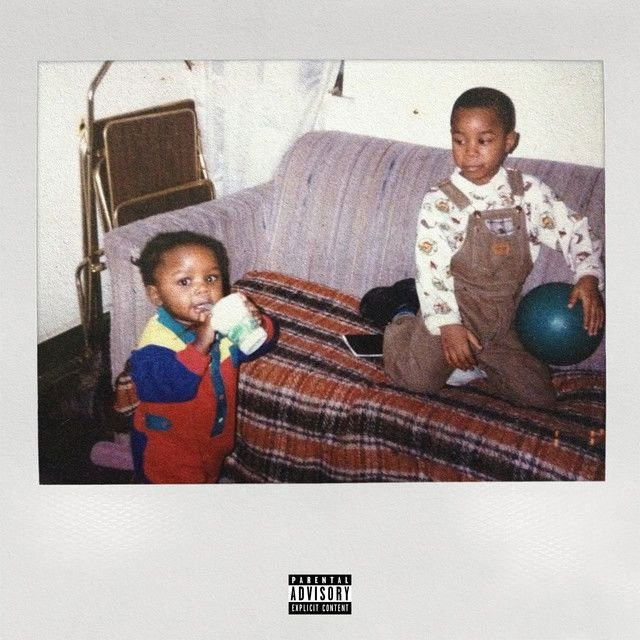
The meaning of Brother’s Keeper DaBaby starts with a simple promise: family duty does not end when life gets hard. On this song, DaBaby turns that promise into a raw grief statement. The track is the opener to My Brother’s Keeper (Long Live G), the 2020 tribute EP dedicated to his older brother Glenn Johnson, released on November 20, 2020. According to widely cited release details, the EP arrived shortly after Glenn Johnson’s death and was framed as a memorial project.
"Brother’s Keeper" - DaBaby
And it been like that forever
We can't help the shit we seen
Loading lyrics...
Unable to load lyrics
We're unable to display the lyrics at this time. Please try again later.
More than anything, this song is about what happens when love, guilt, trauma, and anger all show up at once. It is not polished mourning. It sounds messy because grief is messy.
The Core Message Beneath the Pain
At the center of the song is the repeated idea I'm my brother's keeper
. DaBaby uses that line as more than a slogan. He presents it as a rule they learned through hardship, shared memory, and survival.
Interpretation: The song suggests that brotherhood is both emotional and practical. It means standing beside someone in struggle, carrying their memory after death, and taking care of the family they leave behind. That is why the hook feels so heavy: it sounds like a vow, but also like a burden.
He also ties that duty to a harsh upbringing. When he describes pitiful days
, he points back to poverty, instability, and a home where discipline and pressure shaped the family bond. The pain is old. The loss only brings it back to the surface.
Watch the official Brother’s Keeper
music video
A Timeline of Hurt, Memory, and Responsibility
The verses move in a clear emotional order:
- They start with shared survival.
- They revisit childhood struggle.
- They shift into grief after his brother’s death.
- They end with responsibility toward children and family legacy.
That structure matters. The song is not only saying, “They miss him.” It is saying, “Everything they lived through together explains why this loss feels impossible to carry.”
One of the strongest sections recalls their mother working low-paying jobs and trying to keep the household together. DaBaby then adds memories of church, discipline, and childhood fights. Those details make the song feel specific, not symbolic. He is not talking about family in the abstract. He is talking about one real household, with love mixed with fear and stress.
When Grief Turns Dark
A key part of the meaning of Brother’s Keeper DaBaby is how honestly it shows violent thinking inside grief. He admits he feels trapped and mentally overwhelmed, even calling himself a prisoner of my mind
. That phrase captures the song’s emotional center: he cannot escape what he has lost.
Interpretation: These bars are less about a literal plan than about the way grief can distort judgment. The song repeatedly shows revenge impulses, but it also shows him stepping back from them. That tension is crucial.
Instead of acting on rage, he says he spent time with my nephew and my daughter
. That switch changes the song. For a moment, family care interrupts destructive thought. It does not erase the anger, but it redirects it.
The Chorus Changes Meaning as the Song Goes On
At first, the hook sounds like loyalty in the street sense: protect family, answer disrespect, never fold. But after the verses, it means more than protection. It becomes a statement about inherited pain.
We had to live through that together
Lord, I need help
This brief refrain brings the whole song into focus. First, he frames the bond as something built by shared hardship. Then he admits that loyalty alone is not enough; he also needs spiritual and emotional help.
That is one reason the track feels more vulnerable than many DaBaby songs. He still speaks with toughness, but he also leaves room for helplessness.
Sound First, Then Silence
Production helps carry that feeling. Credits for the song list DJ K.i.D and Eliot Bohr as producers, matching the writing credits for Jonathan Lyndale Kirk, De'Juane Dunwood, and Eliot Aage Bohr on the track. The beat is restrained, with a somber tone and enough space for his voice to sit front and center.
There is no huge celebratory release in the instrumental. Instead, the music stays tense and heavy, which mirrors the lyrics. That choice matters because the song is built like a confession, not a victory lap. The steadier production also makes the emotional shifts easier to hear: anger lands hard, but quieter family lines land even harder.
Family Legacy Is the Real Resolution
Late in the song, DaBaby talks about caring for his late brother’s children and building financial support for them. Factually, that lines up with the broader EP context, which centers Glenn Johnson and the family he left behind. In the song, this is the closest thing to resolution.
Interpretation: The real answer to loss is not revenge. It is stewardship. The song begins with “keeper” as a protective phrase, but it ends by redefining protection as caregiving, provision, and remembrance.
That is why the song resonates. It does not present grief as noble or clean. It shows grief as unstable, full of memory, and always one step away from collapse. Yet it still finds a purpose inside that pain: take care of the people still here.
Why the Song Still Lands
For many listeners, the meaning of Brother’s Keeper DaBaby is about the collision of masculinity and mourning. DaBaby sounds pressured to be strong, dangerous, stable, and generous all at once. The song does not solve that conflict. It simply documents it.
That honesty is what makes the track powerful. They hear a rapper known for forceful delivery trying to carry family history, private pain, and public responsibility in the same two minutes.
Disclaimer: This article offers informed interpretation based on the lyrics, song credits, and release context. Meaning can vary by listener.








