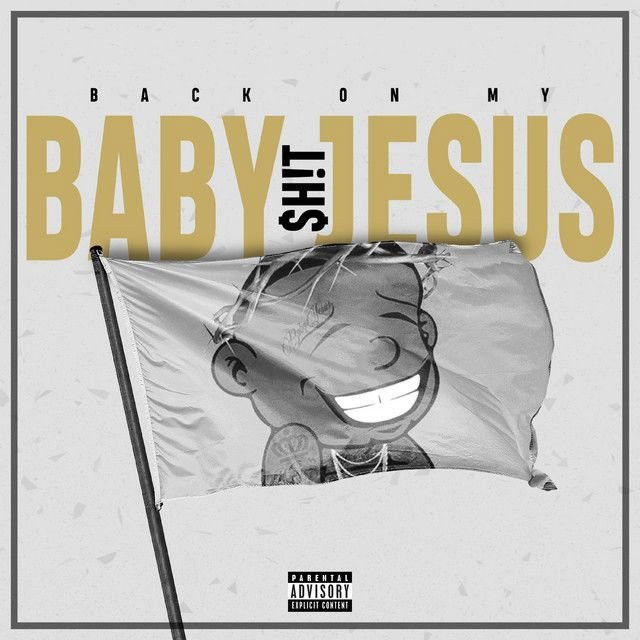
Why DaBaby's "Gorilla Glue" Hits So Hard
The meaning of Gorilla Glue DaBaby starts with a simple idea: they use the song to project control. This is not a deep confession track. It is a flex record built around pricing, status, and self-belief. Even so, the details matter, because DaBaby turns those boasts into a portrait of how they want to be seen: sharp, unsentimental, and impossible to pressure.
"Gorilla Glue" - DaBaby
Ayy man I'm back on my Baby Jesus shit man
Just got some gorilla glue it came with seeds, I'ma pop em out and act like its OG
Loading lyrics...
Unable to load lyrics
We're unable to display the lyrics at this time. Please try again later.
“Gorilla Glue” comes from DaBaby’s early rise, when they were still using the Baby Jesus name in parts of their branding before fully breaking out as DaBaby. Credits list Jonathan Lyndale Kirk and Anthony Lesean Mosley as writers, matching the song’s official songwriting information.
The Core Meaning: A Rap About Value and Power
At its center, the song is about setting terms and refusing to bend. DaBaby frames nearly every scene around leverage. They describe buying low, selling high, and shutting down anyone asking for a discount. When they say no receipt
and ain't no refunds
, the point is bigger than the transaction itself. They are telling listeners that their world runs on hard rules.
That is the key to the meaning of Gorilla Glue DaBaby. The title refers to a cannabis strain, but the song uses that image as a symbol of product, reputation, and street credibility. The hook is not really about weed quality alone. It is about turning supply into identity.
Interpretation: The song presents toughness as a business skill. In DaBaby’s telling, emotion is a weakness, while pricing things correctly is a form of power.

Watch the official Gorilla Glue
music video
How the Opening Sets the Tone
The first lines establish a comeback mood. DaBaby announces that they are back on their old energy, which gives the record a raw and local feel. Rather than easing into the verse, they jump straight into inventory, margins, and resale.
That direct start matters. There is no sentimental framing, and there is almost no gap between personality and action. They move from arrival to hustle in seconds. This is one reason the track feels so aggressive: the song does not ask for attention; it assumes it has already earned it.
Money Talk as Self-Mythology
A lot of rap songs mention profit. What makes this one stand out is how specific the language is. DaBaby does not just say they are making money. They walk listeners through the logic of the flip. A product came with seeds
, they improve the story around it, then move it at a higher price. Whether listeners hear that as street realism or exaggerated swagger, the image is clear.
This makes the song feel like a miniature business lecture from a rapper who trusts their own instincts more than anyone else’s. The repeated refusal to negotiate builds that identity further. They are not trying to sound nice. They are trying to sound final.
sell 'em for the threetryna get me sell it cheap
Those short lines capture the tension of the record: one side sets value, the other begs for a break. DaBaby always places themselves on the stronger side of that exchange.
Bragging, Sex, and Cold Distance
The middle of the song widens the picture. DaBaby moves from hustling into sex, fame, and competitive rap talk. None of those themes are handled with warmth. Instead, they are treated as proof of dominance.
That emotional distance is important. They describe relationships in blunt terms and dismiss people who have no money or no use to them. This is not presented as a moral lesson. It is part of the song’s persona. They are performing a version of themselves that values advantage over attachment.
Interpretation: The record suggests that success has hardened the speaker, or that they want listeners to believe it has. Either way, the message is the same: closeness is less important than control.
The Production Matches the Message
Musically, “Gorilla Glue” supports that mindset with a lean, punchy beat. The instrumental leaves enough space for DaBaby’s voice to land hard. There is no lush melody softening the edges. Instead, the rhythm keeps everything moving in short, forceful bursts.
That production choice fits one of DaBaby’s early strengths as a rapper: cadence. Their flow tends to hit with a bounce that feels both playful and confrontational. On this song, that bounce turns threats and jokes into the same weapon. The beat does not distract from the words; it helps sell their certainty.
Listeners familiar with DaBaby’s breakout style can hear an early version of the approach that later made them nationally famous: clipped delivery, strong pockets, and a performance that sounds like talking trash while already winning.
Why the Hook Matters So Much
The hook works because it repeats the song’s whole worldview in a few details. The strain name, the seeds, the markup, the refusal to refund: each part reinforces the same idea. DaBaby is not just moving a product. They are controlling the story around the product.
That is why the chorus sticks. It turns economics into swagger. Even listeners who do not focus on every line can understand the feeling: this is someone daring others to challenge their price, their hustle, or their uniqueness.
When they later insist they are too unique
, it ties back to the hook. The sales pitch and the self-promotion are really the same thing.
Final Take on the Song's Meaning
So, what is the meaning of Gorilla Glue DaBaby? It is a portrait of self-made power told through street commerce, ego, and refusal. The song is less about introspection than image, but that image is carefully built. Every bar pushes the same message: they know their worth, they set the terms, and they will not be talked down.
For some listeners, it lands as pure bravado. For others, it sounds like early DaBaby building the no-nonsense persona that later defined much of their appeal. Both readings fit the track.
Disclaimer: This article offers interpretation based on the lyrics, performance, and available song context. Meanings can vary from listener to listener.








