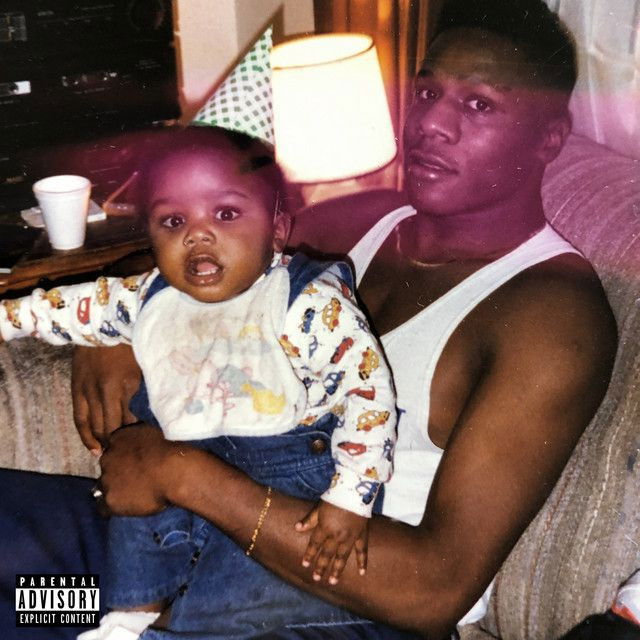
Why 'POP STAR' Is More Threat Than Fame
A flashy title with a warning inside
The meaning of POP STAR DaBaby, Kevin Gates starts with a fake-out. On paper, the title sounds like a song about crossover success, celebrity, and polished fame. But the record quickly flips that idea. Instead of celebrating a softer, mainstream image, they use the phrase pop star as bait. Their real message is that fame has not made them harmless.
"POP STAR" - DaBaby, Kevin Gates
They gon' tell you I went
They gon' tell you I went
Loading lyrics...
Unable to load lyrics
We're unable to display the lyrics at this time. Please try again later.
That is why the hook matters so much. When DaBaby says went pop
, he is talking about how other people may see him after success. The next thought undercuts that image with violence and toughness. In simple terms, the song argues that public fame can change a career, but it does not erase the street-coded identity they want listeners to remember.
Watch the official POP STAR
music video
The core meaning behind the hook
At its heart, the song is about image control. They know fame creates rumors, labels, and assumptions. The chorus is built around that pressure: people may think success has made them polished, commercial, or safe, but they insist they are still dangerous and still in charge.
Interpretation: The title works almost like sarcasm. They are not trying to become delicate celebrities. They are saying that even if the industry treats them like stars, they still want to be feared, respected, and desired.
A short phrase like front row at BET
captures that split identity. It places them inside major entertainment culture, but the surrounding lines keep pulling the song back toward confrontation. In other words, the track lives in two worlds at once: red-carpet success and aggressive self-protection.
How DaBaby frames fame and masculinity
DaBaby’s verse is full of flexes, jokes, and threats. That mix matters. He often raps with a grin, but the humor does not soften the message. It makes the dominance feel even more casual. He talks about women, status, and rivalry as if they are all part of the same competitive game.
When he says switch the groove
, he hints at a second layer to the song. He is not only bragging about money or women. He is also bragging about craft. He suggests that others copied a simplified version of his style, and now he can change his flow again. That turns the song into a defense of artistic control as well as personal toughness.
A persona built on contradiction
DaBaby’s performance depends on contrast:
- mainstream visibility
- sexual confidence
- comic one-liners
- sudden threats
That contrast is the point. He presents himself as someone who can move through celebrity spaces while still refusing the rules of pop respectability.
Kevin Gates pushes the song into darker territory
If DaBaby uses the track to defend his image, Kevin Gates expands it into something grimmer. His verse leans heavily on crime-world language, power plays, and cartel imagery. Whether listeners take every line literally or as exaggerated rap storytelling, the effect is the same: Gates raises the stakes.
Interpretation: His verse turns the song from a debate about fame into a claim about infrastructure and control. He is not just saying he is tough. He is saying he understands systems of power, movement, and supply. That makes his section feel less playful and more severe.
The line you with Gates now
is especially revealing. It sounds possessive, almost like a brand stamp. In the larger meaning of the song, it suggests that identity itself becomes territory. People, places, and reputation are all things to be claimed.
What the chorus keeps repeating
The chorus does more than provide a catchy center. It repeats the song’s argument that celebrity does not equal softness. Every return to the hook reminds listeners that being called a pop star is, in their view, a misunderstanding.
They gon' say I went pop
Until a nigga play with me
That two-line movement is the whole song in miniature. First comes the public label. Then comes the correction. The structure matters because it shows how fast admiration can turn into challenge, and how fast they believe they must answer that challenge.
How the production sharpens the message
The beat, credited to CashMoneyAP in the song tag, helps explain why this record lands so hard. CashMoneyAP has built a reputation for sharp, heavy trap production across mainstream rap, as covered by outlets like Genius and AllMusic. Here, the instrumental is stripped, hard, and spring-loaded.
The low end gives the song weight, while the percussion keeps it tense rather than dreamy. There is very little in the beat that suggests glamour, despite the title. Instead, the production feels built for confrontation. That choice supports the song’s main idea: this is not pop as softness, but pop visibility over a trap foundation.
Their vocal delivery also matters. DaBaby sounds sharp and rhythmic, with punch lines landing like jabs. Gates sounds heavier and more drawn out, which makes his verse feel more ominous. Together, they create two shades of the same message.
Artist context helps explain the track
DaBaby built much of his early appeal on charisma, blunt humor, and a confrontational rap style, while Kevin Gates has long mixed street memoir, threat, and confession in his music, as reflected in artist profiles from Britannica and AllMusic. That background matters because POP STAR sounds exactly like two artists protecting the personas that made them famous.
The credited writers are Jonathan Lyndale Kirk, Kevin Gates, Alex Petit, and Mathias Liyew. Those credits match the collaborative structure listeners hear: one hook-driven idea, two distinct voices, one shared purpose.
Final takeaway on the song's meaning
The meaning of POP STAR DaBaby, Kevin Gates is not really about pop stardom at all. It is about resisting what pop stardom represents: softness, distance from the streets, and loss of edge. They use the title to set up one expectation, then spend the song smashing it.
Interpretation: Listeners can hear the track as a statement about masculinity under fame. The more visible they become, the harder they insist on their old power codes. That tension gives the song its energy.
As always, song meaning is interpretive, and different listeners may hear these lyrics in different ways.








