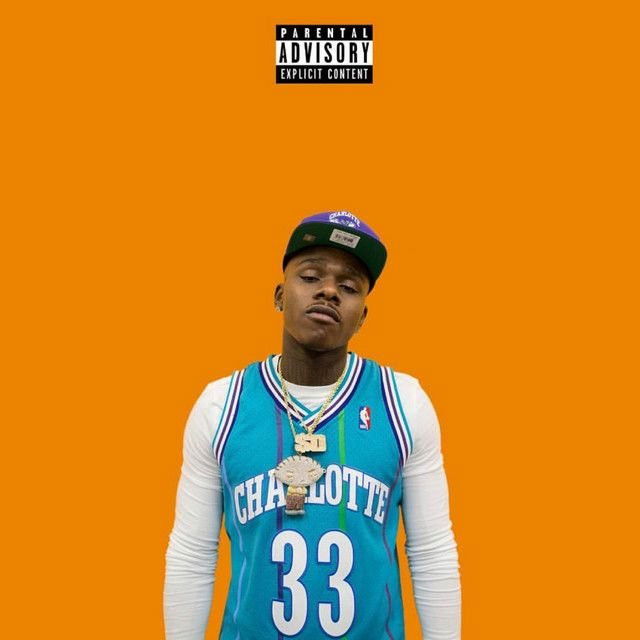
Milli by DaBaby
A money mantra with a reckless edge
The meaning of Milli DaBaby starts with obsession. The song is built around one simple idea: they are fixated on getting rich, staying visible, and proving they can survive setbacks. The repeated line about having their mind on a milli'
frames the whole track as a statement of hunger.
"Milli" - DaBaby
And I'm the, I'm the best motherfucking rapper man, you know
Aye
Loading lyrics...
Unable to load lyrics
We're unable to display the lyrics at this time. Please try again later.
But this is not a thoughtful success story. It is loud, crude, funny, and chaotic on purpose. DaBaby turns money talk into a character portrait, showing a rapper who measures value through jewelry, drugs, sex, status, and control. The song’s shock-heavy details are less about plot than about building an image of someone who refuses to look weak.

Watch the official Milli
music video
What the hook says about ambition
At the center of the song is a cycle: want money, spend money, lose money, get money again. That pattern matters. When they mention buying a chain, then regretting having to sell it, the song shows that wealth in this world is unstable. Flash can disappear fast.
That is why the hook feels more restless than celebratory. Even when DaBaby boasts, there is a fear underneath it. The dream is not peaceful. It is hustle at full speed, with no trust that success will last unless they keep pushing.
Interpretation: the hook is not just about becoming rich. It is about the pressure of staying rich after coming from scarcity. In that sense, “milli” works as both a goal and a survival test.
From struggle to flex
DaBaby often mixes blunt autobiography with exaggeration. Here, they present details that sound like real memory alongside outrageous punch lines. The opening claim that everything's a true story
invites listeners to hear the song as lived experience, even when the verses become cartoonish.
That blend fits DaBaby’s larger style. They broke into the mainstream with aggressive, funny, highly physical rap records and built their image through relentless self-promotion and street-to-stardom storytelling, as noted in their Billboard profile. In “Milli,” they sharpen that persona: the self-made hustler who can turn embarrassment, lust, and danger into brag material.
The key emotional move is this: setbacks are never allowed to stay humiliating. Going broke becomes a lesson. A messy relationship becomes a joke. Every bad turn gets flipped into dominance.
Wild scenes, one clear theme
The verses are about control
Much of the song’s imagery is deliberately excessive. DaBaby jumps from money problems to sexual encounters to bizarre household scenes. On the surface, these episodes can feel random. Underneath, they all serve the same purpose: showing that they can take over any room, any situation, and any relationship.
When they brag about name on the lease
, the point is not romance. It is possession and leverage. The same goes for the repeated references to women doing things for them. These lines present intimacy as power, not connection.
That helps explain why the song feels funny and cold at the same time. The jokes keep the verses entertaining, but the values stay hard. People become props in a larger performance of status.
How humor changes the meaning
One of the most important parts of the meaning of Milli DaBaby is tone. DaBaby does not deliver these lines like a confessional. They rap them with a grin, using shock humor to keep the song moving.
That matters because the comedy makes the boasting easier to sell. Instead of sounding purely bitter or angry, they sound amused by their own excess. A line like mad that I did it
admits regret, but only for a second. Then the track races back into swagger.
Interpretation: humor is a shield here. It lets DaBaby mention poverty, unstable relationships, and reckless choices without ever sounding vulnerable for long.
Production: why the beat feels like a victory lap
The production supports that swagger-first meaning. “Milli” uses a hard, minimal trap setup with crisp drums and space for DaBaby’s punchy flow. The beat does not drown the voice in melody. Instead, it leaves room for rhythm, timing, and emphasis.
That is a big part of why the song lands. DaBaby’s style often depends on percussive delivery; they rap almost like another drum in the mix. On “Milli,” the beat gives each boast a clean hit. The result is music that feels confident even when the lyrics hint at past loss.
Producer details are not widely documented in the prompt provided, but the track’s sound fits the stripped, club-ready approach heard across DaBaby’s breakout era, especially around the Baby on Baby period. The spare instrumental keeps attention on attitude.
A song about success without peace
If listeners ask what “Milli” is really saying, the answer is not simply “I want a million dollars.” It is closer to this: they believe money is proof, protection, and identity all at once. Without it, the image cracks.
That is why the song keeps returning to consumption and conquest. Jewelry, travel, drugs, sex, and property all become signs that they have escaped being powerless. Even the line about change from a freak
turns dependence into a joke, as if needing help can still be framed as winning.
There is also a darker undertone. The song does not imagine contentment. It imagines constant appetite. Every flex suggests another flex is needed.
I had my mind on a milli'
I went broke and sold it
Those two ideas, placed together, explain the whole song: ambition and instability are locked together.
Final take on the song's message
The meaning of Milli DaBaby is the meaning of hunger turned into performance. DaBaby uses the track to show how badly they want wealth and how aggressively they protect the image of having it. The song is funny, vulgar, and intentionally over the top, but its engine is serious: fear of slipping backward.
For casual listeners, “Milli” works as a flex anthem. For closer listeners, it also shows how success in rap can sound thrilling and anxious at the same time.
Disclaimer: This interpretation is based on the lyrics, performance, and available public context. As with most songs, some meanings remain open to listener interpretation.








