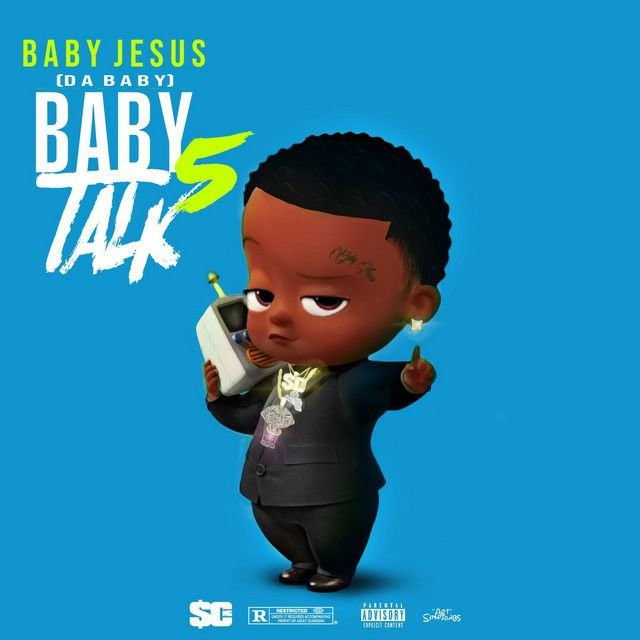
Up The Street by DaBaby
A Direct Threat Song With No Mask On
For anyone searching for the meaning of Up The Street DaBaby, the clearest answer is also the simplest: this is a confrontation record. The song is built around challenge, retaliation, and the idea that talking online should turn into a face-to-face meeting. Rather than hide that message behind clever storytelling, DaBaby makes it plain. The repeated hook pushes one demand: bring your bitch ass up the street
.
"Up The Street" - DaBaby
Uh uh
Man, fuck all that talking, my nigga let's link
Loading lyrics...
Unable to load lyrics
We're unable to display the lyrics at this time. Please try again later.
That refrain matters because it turns the whole track into a dare. The song is not about reflection or regret. It is about escalation. They present a speaker who is tired of social media talk, tired of sneak disses, and ready to move from words to action.
Watch the official Up The Street
music video
What The Hook Is Really Doing
The chorus repeats so often that it becomes the song’s main meaning. When they say drop your location
and let's meet
, the point is not just physical distance. It is about proving who is real and who is bluffing.
Interpretation: the hook frames modern rap beef as something fed by phones, posts, and public performance. DaBaby’s answer is simple: stop typing and show up. In that sense, the song also works as a statement about authenticity. The speaker wants conflict settled in person, not through rumor.
fuck all that talking
drop your location
where the beef?
Those short lines sum up the track’s worldview. Talk is weak; presence is proof.
Verse By Verse, The Song Raises The Stakes
After the hook sets the challenge, the verses intensify it. The speaker mocks the other person for making songs and staying on the phone instead of stepping outside. That detail matters because it places the target in a world of performance, while the speaker claims to live by action.
Soon, the song moves from insult to threat. Phrases like I'ma hop out on feet
make the danger feel close and physical. This is not framed as a drive-by fantasy from far away. It is framed as direct contact.
The later bars go even further, stacking images of weapons, pursuit, and payback. The song’s energy comes from how little space it gives to anything soft or uncertain. Every section doubles down on the same message: the speaker sees disrespect as something that must be answered.
The Core Themes Under The Aggression
Pride, respect, and reputation
At its center, “Up The Street” is about status. In rap, image and credibility are often tied to how someone responds to disrespect. This song leans hard into that idea. The speaker treats any challenge as a test of nerve.
Street realism as performance
There is also a second layer. DaBaby is known for a forceful, highly controlled rap style, with critics often describing his flow as staccato and precise. That reputation is noted in profiles of his artistry, including summaries of his style on Wikipedia. In this song, that clipped delivery supports the message of toughness.
Interpretation: “Up The Street” is not just reporting violence. It is performing fearlessness. The repeated threats build an image of someone who cannot be intimidated, even if that image is exaggerated for the sake of rap theater.
How DaBaby’s Persona Shapes The Meaning
DaBaby, born Jonathan Lyndale Kirk, emerged from Charlotte and broke into the mainstream in 2019 with Baby on Baby, followed by Kirk later that year, according to basic career summaries at Wikipedia. His rise depended in part on an instantly recognizable style: blunt punchlines, sharp rhythm, and a sense that each bar lands like a jab.
That background matters here. “Up The Street” fits the part of his catalog that values pressure over subtlety. Unlike some of his bigger crossover records, this track does not aim for melody or emotional balance. It keeps the focus on intimidation.
For listeners familiar with his public image, the song can feel like an extension of that persona: aggressive, competitive, and eager to prove dominance. That does not make every line literal fact. It does mean the record gains force from the artist’s established reputation.
Why The Production Feels So Claustrophobic
Even without a complex melody, the beat helps explain the song’s effect. The production leaves room for the vocal to dominate. The rhythm is tense and repetitive, which makes the hook hit like a chant instead of a passing idea.
That simplicity is important. A busy beat might distract from the threat. Here, the stripped-down trap framework keeps attention on DaBaby’s timing, breath, and emphasis. Each return to the hook feels like another step forward.
Interpretation: the beat creates a boxed-in feeling. There is no release, no emotional reset, and no change in perspective. That mirrors the song’s mindset, which is locked on confrontation from start to finish.
Is There Any Deeper Meaning Beyond Violence?
There can be, but it should be labeled carefully. On the surface, “Up The Street” is exactly what it sounds like: a hostile call-out song. Still, beneath that surface is a comment on male pride, public disrespect, and the pressure to answer insults with force.
In that way, the song reflects a wider rap tradition where reputation is currency. The speaker believes backing down would mean losing status. So the record turns aggression into proof of self-worth.
Another possible reading is that the song captures how digital conflict spills into real life. The repeated demand to stop talking and share a location suggests a world where online tension feels unfinished until it becomes physical.
Final Take On The Meaning Of Up The Street DaBaby
The meaning of Up The Street DaBaby comes from its bluntness. It is a song about challenge, respect, and escalation, delivered with almost no emotional shading. Its hook turns confrontation into a mantra, while the verses reinforce an image of someone who refuses to let insults slide.
For some listeners, that makes the track thrilling. For others, it makes it exhausting or troubling. Either way, the song succeeds at what it tries to do: create pressure and keep it there.
Disclaimer: This interpretation is based on the lyrics, performance, and publicly available artist context. As with any song, meaning can vary from listener to listener.








