Why “Head Off” Hits So Hard
The meaning of Head Off DaBaby, YoungBoy Never Broke Again starts with one simple idea: they do not see rest as an option. The song is built around hunger, pressure, and the belief that money is tied to safety, status, and survival.
"Head Off" - DaBaby, YoungBoy Never Broke Again
Get that money, how these niggas rappin' with they head off?
Get to that money, can't settle for nothin'
Loading lyrics...
Unable to load lyrics
We're unable to display the lyrics at this time. Please try again later.
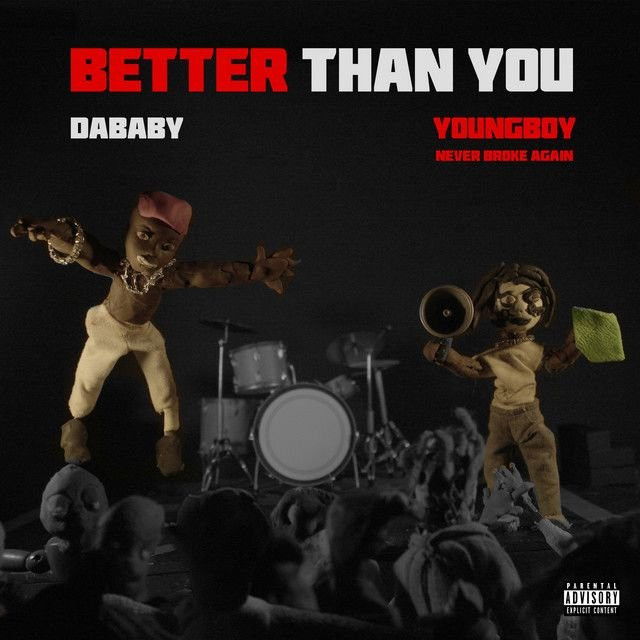
Released on the 2022 collaborative project Better Than You, the track pairs two rappers known for intensity and volume. DaBaby and YoungBoy Never Broke Again both built large audiences through constant output, with YoungBoy becoming one of rap’s biggest streaming forces and a major Billboard presence over the last several years. That context matters because this song sounds like two artists defending the work ethic that made them stars.
The core message behind the chaos
At its heart, “Head Off” is about chasing wealth without slowing down. The hook keeps returning to the need for more money and the refusal to settle. When they say can't take no days off
, they are not just flexing. They are describing a worldview where stopping feels dangerous.
That is why the song mixes luxury with threat. Expensive watches, SUVs, and jewelry sit next to images of retaliation and paranoia. Interpretation: the song suggests success does not erase fear; it may even sharpen it. The more they gain, the more alert they feel they must be.

Watch the official Head Off
music video
How the chorus explains the whole song
The chorus is the clearest key to the track. Phrases like need a hunnid
and won't never go under
frame money as more than greed. It sounds like a defense against failure, humiliation, and slipping backward.
That repeated structure matters. The hook is blunt, almost mechanical, which gives the song a relentless pulse. Instead of telling a detailed story, they use repetition to create a mindset: keep moving, keep stacking, leave before anyone can stop them.
Two verses, two shades of the same pressure
DaBaby’s side: discipline wrapped in aggression
DaBaby’s verse pushes the song’s most direct themes. He links hustle to what he learned at home, then ties his rise to both street memory and rap success. In his telling, wealth is earned through focus, not luck.
He also fills the verse with battle-ready energy. Even when he boasts about cars and jewelry, he sounds tense rather than relaxed. That tension helps explain the title. Interpretation: “Head Off” works as a double meaning, pointing both to going hard and to violent consequences for disrespect.
YoungBoy’s side: survival, family, and distrust
YoungBoy’s verse feels more personal under the surface. He talks about trials, doubters, old poverty, and present fame in a way that makes success sound unstable. When he says since a lil' one
, he places his hustle deep in childhood, not just adult ambition.
One of the most revealing moments is his focus on providing for his daughters. That shifts the song from pure bravado into responsibility. Interpretation: on his verse, the money chase is not only about image. It is also about legacy and making sure his family gets what he did not have.
The imagery: money, masks, and motion
A lot of the song’s meaning comes from recurring images rather than plot. Three motifs stand out:
- Luxury objects: watches, chains, cars, and designer names signal proof of arrival.
- Weapons and masks: these suggest danger never fully disappears.
- Movement: leaving, heading out, turning up in different places, and never pausing all create the feeling of constant motion.
Together, those images say success is portable but never peaceful. They can buy status, but they cannot fully buy calm.
Get that money
can't settle for nothin'
I get that money
then I head off
Those lines capture the cycle of the whole song: earn, refuse comfort, move on, repeat.
Why the production matters so much
The beat supports the song’s meaning by staying hard and uncluttered. The production gives them space for forceful delivery rather than melodic reflection. Heavy low end and sharp drums make every line feel like a challenge.
That sonic design is important. A softer beat might have turned these lyrics into ordinary brag rap. Here, the instrumental keeps everything urgent. The track feels like forward motion with no release, which mirrors the hook’s obsession with constant gain.
Their vocal styles help too. DaBaby sounds clipped and commanding, while YoungBoy brings a rougher, more strained edge. That contrast makes the collaboration effective: one rapper sounds controlled, the other sounds volatile, and both fit the song’s message that pressure never really fades.
Artist context sharpens the meaning
This song landed during a period when both artists were already defined by productivity and controversy. YoungBoy, in particular, had become known for an enormous release pace, major chart success, and a huge YouTube audience, while also dealing with legal trouble and house arrest periods in his career. That real-life backdrop gives lines about nonstop work extra weight.
DaBaby’s public image has also long centered on confidence, confrontation, and relentless self-promotion. Put together, they make “Head Off” feel less like a one-off flex and more like a shared philosophy: keep earning, keep guarding, and do not let the world see hesitation.
Final takeaway on “Head Off”
So, what is the meaning of Head Off DaBaby, YoungBoy Never Broke Again? It is a portrait of ambition under pressure. The song celebrates money, but it also shows how success can come with hypervigilance, pride, and the fear of losing ground.
Interpretation: beneath the threats and flexes, “Head Off” is really about survival in a world where rest looks risky. That is why the song hits hard: it turns hustle into both a victory lap and a warning.
Disclaimer: This interpretation is based on the lyrics provided, the artists’ public context, and the song’s performance style. As with any song, meaning can vary by listener.









