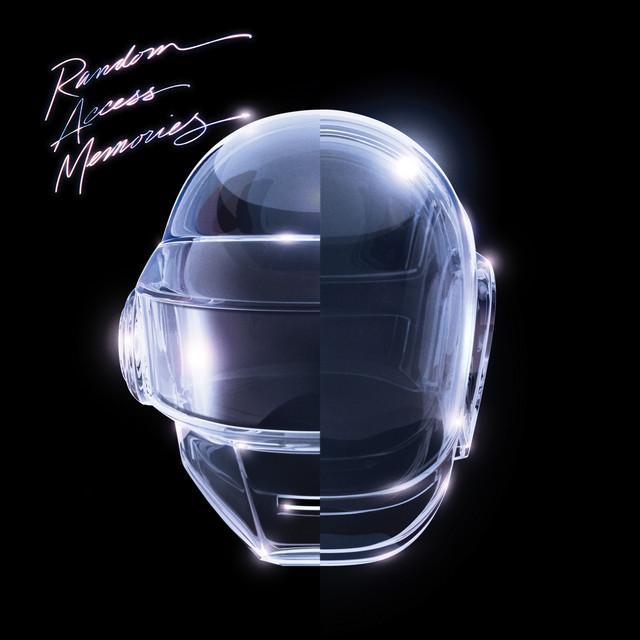
Give Life Back to Music by Daft Punk
The meaning of Give Life Back to Music Daft Punk starts with a simple idea: they wanted music to feel human again. As the opening track on Random Access Memories, the song works like a mission statement. It does not tell a detailed story. Instead, it delivers a repeated invitation to let sound, rhythm, and feeling back into everyday life.
"Give Life Back to Music" - Daft Punk
Just turn on the music
Let the music of your life
Loading lyrics...
Unable to load lyrics
We're unable to display the lyrics at this time. Please try again later.
Factually, the track is from Daft Punk’s fourth studio album, Random Access Memories, and it was later sent to radio in 2014. It features major live-session players, including Nile Rodgers on guitar, Paul Jackson Jr., Nathan East, and John "J.R." Robinson, with Daft Punk producing the song. Those details matter because the record’s whole identity was built around live performance and studio craft rather than a purely computer-made feel.[1][2]
A Mission Statement in Four Lines
At the lyrical level, the song says very little, but that is the point. Daft Punk repeat short commands like let the music in tonight
and just turn on the music
. Paraphrased, they are asking listeners to stop resisting joy and let music become part of their emotional life again.
The key line, give life back to music
, can be read in two ways. First, it means music can revive people: it can wake them up, move them, and reconnect them to others. Second, it suggests people must also revive music itself by treating it as something living, not just background noise or disposable content.
That double meaning is what makes the song stronger than its tiny lyric sheet might suggest.
Watch the official Give Life Back to Music
music video
Why the Repetition Matters
The repeated structure turns the lyric into a chant. Instead of building a narrative, the song builds conviction. Every cycle of let the music of your life
pushes the idea that music is not separate from daily experience; it should be woven into identity, memory, and emotion.
Interpretation: the repetition may also mimic dance music culture itself. In clubs and on radio, hooks repeat until they stop sounding like instructions and start sounding like truth. Daft Punk use that effect to make the song feel communal, almost like a crowd mantra.
There is only one real “argument” in the lyric, and it unfolds in sequence:
- Open yourself to music.
- Turn it on deliberately.
- Let it become part of your life.
- In doing so, restore its vitality.
That is a whole philosophy compressed into a few words.
The Sound Is the Meaning
This is one of those songs where the production explains the lyric better than any verse could. According to available credits and reporting, Daft Punk used live instruments across the track, with Nile Rodgers and Paul Jackson Jr. on guitar, Chilly Gonzales on keyboards, Nathan East on bass, and J.R. Robinson on drums.[1] The result is glossy disco-funk with real physical motion.
That matters because the song is about bringing “life” back. The drums breathe. The guitars sparkle and push forward. The bass walks with confidence. Even the vocoder vocals feel less robotic than on some earlier Daft Punk records, because they sit inside a warm band performance rather than a cold electronic grid.
Interpretation: they are proving their point through sound. They do not only say music should feel alive; they build a track that actually feels alive.
Artist Context Changes the Reading
The song becomes clearer when placed in the context of Random Access Memories. Daft Punk spent that era looking backward to move forward, blending electronic ideas with 1970s and early 1980s studio traditions. Nile Rodgers said the collaboration had been discussed for years, and he described working with them as working with “contemporaries.”[1]
Thomas Bangalter also said the song’s message was open to interpretation, but he described the way it is sung as optimistic and innocent, with no cynicism.[1] That is important. This is not a bitter rant about modern music. It is more like an upbeat correction.
Guy-Manuel de Homem-Christo reportedly acknowledged that some listeners might hear the lyric as pretentious, while also feeling that mainstream music had lost depth in recent years.[1] That comment supports a common reading: the song is not attacking music as a whole, but pushing back against a flattened, less soulful mainstream sound.
A Gentle Critique of the Digital Age
The meaning of Give Life Back to Music Daft Punk can also be read as a response to how people consume music now. The lyrics are almost absurdly basic, yet the arrangement is rich and expensive-sounding. That contrast suggests Daft Punk cared less about verbal complexity than about musical presence.
Let the music in tonight
Just turn on the music
In plain terms, the song argues that listening should be active, not passive. They are not asking for analysis first. They are asking for surrender.
For American listeners especially, that helps explain why the track feels both retro and current. It borrows from disco and funk, but its deeper subject is modern burnout: too much content, not enough connection.
Final Take: A Simple Song With a Big Purpose
Daft Punk made a song that sounds celebratory on the surface, but carries a larger artistic statement underneath. The lyric is spare, the groove is rich, and the message is direct: music should move people again. It should feel embodied, joyful, and emotionally real.
That is why the song works so well as the start of Random Access Memories. It opens the album by announcing its values. Not irony. Not distance. Not cold perfection. Life.
Disclaimer: This interpretation combines documented facts about the song and album with reasoned analysis. Because Daft Punk left the message open-ended, some listeners may hear it differently.









