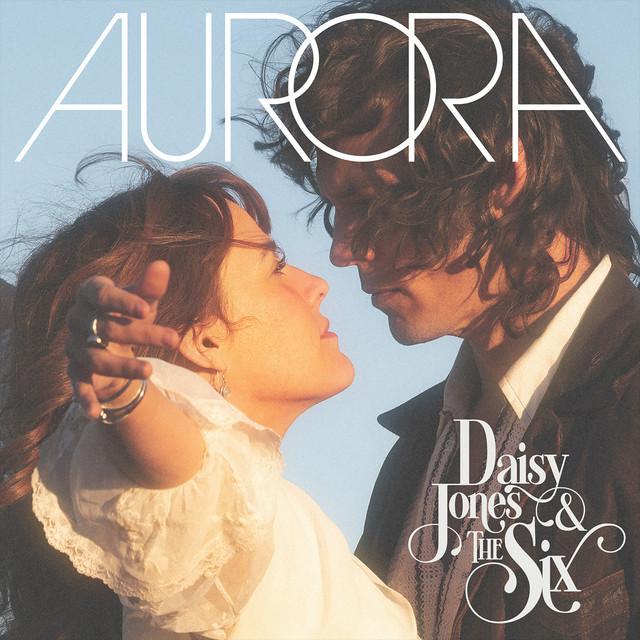
Look at Us Now (Honeycomb) by Daisy Jones & The Six
A breakup song that sounds like a reckoning
The meaning of Look at Us Now (Honeycomb) Daisy Jones & The Six comes down to one painful idea: two people are finally forced to see what they have become together. This is not a tender love song or a clean breakup anthem. It is a confrontation.
"Look At Us Now (Honeycomb)" - Daisy Jones & The Six
Baby, baby, baby
Do you know who you are?
Loading lyrics...
Unable to load lyrics
We're unable to display the lyrics at this time. Please try again later.
The lyrics show a relationship that once had heat, glamour, and momentum. Now it is full of confusion, blame, and grief. They are not just asking whether the romance failed. They are asking how it changed them.
That is why the song feels bigger than a simple argument. It sounds like the collapse of a shared identity.
The core meaning: love turning into damage
At its heart, the song is about watching a good thing decay. The key line, paraphrased through the repeated idea of make a good thing bad
, frames the relationship as something neither person fully protected.
Instead of pointing to one betrayal or one dramatic event, the song suggests slow damage. The couple seems to have drifted into dishonesty, resentment, and avoidance. When the singer asks questions about who they are now, the real fear is not only losing the relationship. It is losing themselves inside it.
Interpretation: The song’s emotional power comes from that double collapse. The romance is failing, but so is their sense of self.
Who is speaking, and why it hurts
The lyrics move like a direct address from one partner to another. They question, accuse, and plead at the same time. Phrases like who I am
and who you are
show two people who no longer recognize themselves or each other.
That matters because the song does not present one side as fully innocent. Even when it sounds accusatory, it also sounds wounded. The speaker sees the other person crying and hiding, but they are not above the damage. They are inside it too.
A relationship in three stages
The song’s story unfolds in a clear emotional arc:
- Confusion: They admit they do not know themselves anymore.
- Recognition: They accept the relationship likely fell apart long ago.
- Confrontation: They demand honesty about what is no longer working.
That structure gives the song its force. It moves from uncertainty to painful clarity.
Why the chorus lands so hard
The repeated hook around look at us now
is the song’s emotional center. It sounds simple, but it carries shock, disappointment, and even shame. The phrase acts like a mirror held up in the middle of a fight.
The chorus also contrasts past and present. When the song says they used to be somethin' to see
, it implies the relationship once looked enviable, magnetic, maybe even larger than life. Now the same couple is trapped in a cycle they can barely name.
That contrast is crucial to the meaning. The pain is not just that love ended. The pain is that something once dazzling now feels broken and exposed.
How did we get here?
How do we get out?
Those lines capture the song’s central panic. They do not just describe a fight. They describe entrapment.
The honeycomb image and the hidden idea
Although “Honeycomb” sits in the title rather than the lyric body provided here, it still shapes how many listeners hear the song. A honeycomb suggests sweetness, structure, and something carefully built. It is beautiful, but also fragile if disturbed.
Interpretation: That makes the subtitle feel ironic. The relationship may once have been sweet and intricately made, but now the structure is breaking apart. What was meant to hold them together has become sticky, damaged, and hard to escape.
This fits the lyric pattern perfectly. The song keeps returning to unraveling, darkness, and a failed attempt to keep the shape intact.
How the sound carries the meaning
As performed in the Daisy Jones & The Six universe, the song draws on the polished drama of 1970s rock. The project itself was created for the television adaptation of Taylor Jenkins Reid’s novel, with original music released alongside the series through Atlantic Records and tied to the fictional album Aurora.
That context matters because the song is built like a major band statement, not a private acoustic confession. The driving rhythm, rising intensity, and repeated chorus make the relationship collapse feel public and huge. It sounds like two people turning private pain into a stage-sized anthem.
The vocal delivery also matters. The repetition of key lines is not soft reflection; it feels insistent, almost desperate. Each return to the hook sounds less like surprise and more like forced acknowledgment.
Interpretation: The production suggests that once emotion reaches this scale, there is no easy way back. The song does not sound interested in repair. It sounds interested in truth.
Why fans connect with it
Listeners often respond to this song because it captures a specific kind of heartbreak: the moment when a couple stops arguing about one issue and starts questioning the entire relationship. That feeling is widely recognizable.
It also speaks to anyone who has stayed in something past its healthy point. The repeated plea for honesty makes the song feel painfully real. One person seems to know it is ending, while the other may still be hiding from the truth.
In the story world of Daisy Jones & The Six, that tension becomes even richer. The band’s drama adds another layer: a song about romance can also sound like a song about collaboration, ego, image, and creative dependence.
Final takeaway on the song’s meaning
The meaning of Look at Us Now (Honeycomb) Daisy Jones & The Six is about facing the ruins of a once-powerful bond. It shows how love can turn into confusion, performance, and mutual hurt long before either person says it is over.
More than anything, the song asks what happens when two people can no longer deny the evidence in front of them. They look at the relationship, look at themselves, and finally see the same thing: it is not working.
Disclaimer: This article offers informed interpretation based on the lyrics and the song’s context. Like most songs, its meaning can shift from listener to listener.








