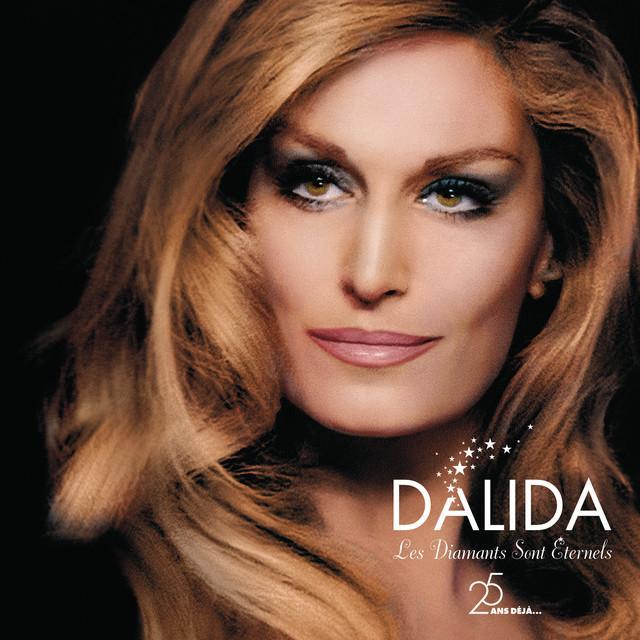
Why Dalida's 18-Year-Old Ballad Still Hurts
The meaning of Il venait d'avoir 18 ans Dalida starts with a memory that feels glamorous, risky, and deeply sad. On the surface, the song tells of a summer affair between an older woman and a young man. Under that surface, it becomes a meditation on time, desire, and the cruel gap between a moment of passion and the life that follows.
"Il venait d'avoir 18 ans" - Dalida
Il était beau comme un enfant
Fort comme un homme
Loading lyrics...
Unable to load lyrics
We're unable to display the lyrics at this time. Please try again later.
Dalida first released the song in 1973, and it later appeared on the album Julien. It became one of her signature recordings, with chart success in Quebec, Wallonia, Germany, and beyond, and it later won the Prize of the Academy of the French Record in 1975. Those details are commonly summarized in reference sources such as Wikipedia’s entry on the song.
A Summer Memory With an Autumn Shadow
The song’s plot is simple, but its emotional design is sharp. The narrator sees a young man who has just turned eighteen. He is described as beautiful, physically grown, and full of certainty. She is drawn to him at once, but even in that first glance, she thinks ahead to loss.
That is why the seasonal contrast matters so much. The scene begins in summer, yet she counts her autumn nights
. In plain terms, she already senses that this bright encounter will end in cold solitude. The song is not about a stable relationship. It is about a brief crossing of two different life stages.
A key line of feeling appears when she prepares herself to attract him, putting herself in order and darkening her eyes. The gesture sounds small, but it shows vulnerability. They want to be desired, but they also know they are trying to hold onto something youth gives freely.
Watch the official Il venait d'avoir 18 ans
music video
What the Young Man Represents
The young man is not written as a villain. He is confident, blunt, and inexperienced. When he says j'ai envie de toi
, he speaks in direct physical terms instead of promising love. That matters.
The song says he does not speak of love because he finds such words useless. In other words, he lives in the present. He is driven by appetite and certainty, not by long-term feeling. His age becomes, as the lyric puts it, his strongest argument.
Interpretation: he represents youth as a force. Youth in this song is attractive, but also careless. It charms because it does not yet understand the cost of what it does.
The Real Wound Is After the Encounter
The emotional turn comes after intimacy, not before it. For a brief moment, the narrator experiences wonder, almost transcendence, discovering a ciel superbe
. That image lifts the scene above simple scandal. For them, the encounter feels immense.
But the song refuses to stay in fantasy. As he gets dressed, her loneliness returns. That transition is brutal because nothing dramatic happens. He does not betray her. He simply moves on with the easy candor of someone too young to understand the depth of her emotional risk.
One of the song’s most painful ideas arrives in his offhand judgment that it was merely not bad. He speaks with what the lyric calls the infernal innocence of youth. He can leave lightly; she cannot.
Age, Vanity, and Self-Recognition
The final revelation gives the song its lasting power. After he leaves, she repeats the same beauty ritual as before, but now it is only habit. Then comes the stunning admission: deux fois dix-huit ans
.
That phrase does several things at once:
- It avoids stating her age in a flat way.
- It links her to him through the same number.
- It also doubles the number, making time impossible to ignore.
This is why the song is not just about taboo desire. It is about self-recognition. The narrator briefly forgets age through passion, then remembers it all at once. The real heartbreak is not moral punishment. It is the return of reality.
How Dalida’s Life Shapes the Listening
Dalida’s artistry gives the song extra weight. She was known for dramatic, emotionally rich performances, and this track fits that strength perfectly. According to biographical commentary cited by Le Figaro and repeated in reference summaries, the song has often been linked to a painful period in Dalida’s personal life involving a younger Italian man and an impossible relationship.
That background should be handled carefully. It can inform how listeners hear the song, but it does not prove every line is literal autobiography. Still, the connection helps explain why many people hear more than fiction here. They hear lived sorrow.
Why the Sound Deepens the Meaning
Musically, the song works as a sentimental ballad with chanson styling rather than a dramatic pop explosion. Sources generally list it as a 1973 recording made at Studio Davout, produced by Orlando, with music by Pascal Auriat and Jean Bouchéty and lyrics by Pascal Sevran and Serge Lebrail.
The arrangement matters because it stays controlled. The melody is elegant, the tempo is measured, and Dalida sings with restraint rather than theatrical collapse. That choice keeps the song from sounding sensational. Instead, it feels reflective, like someone replaying a memory they still cannot fully forgive themselves for keeping.
Why the Song Still Connects
For U.S. listeners hearing it in translation, the song still lands because its themes are universal: longing, age, fantasy, and the loneliness that follows a beautiful mistake. The meaning of Il venait d'avoir 18 ans Dalida is not just that an older woman desired a younger man. It is that a brief encounter made her feel alive, then made her feel time again.
That is why the song lasts. It understands that some memories are treasured and painful in exactly the same breath.
Interpretation disclaimer: This reading combines factual background with interpretation of lyrics, performance, and cultural context. Song meaning can remain open, and different listeners may hear the balance of desire, regret, and memory differently.








