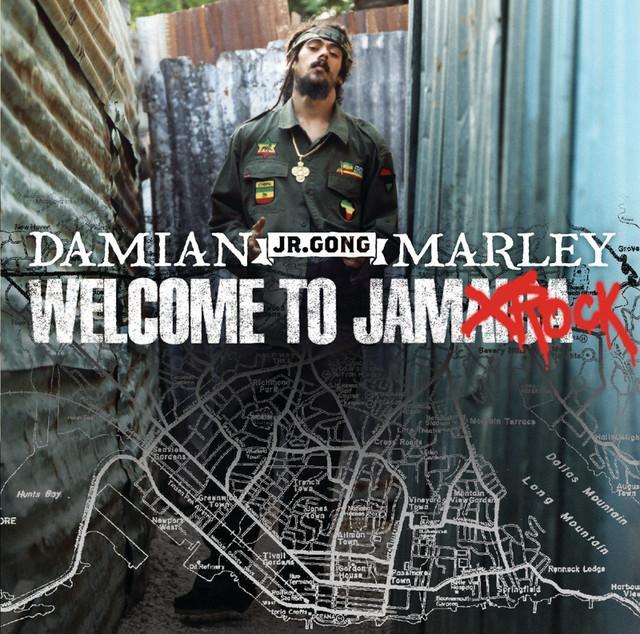
Why ‘Pimpa’s Paradise’ Is a Tragic Warning
The meaning of Pimpa's Paradise Damian Marley, Stephen Marley, Black Thought comes into focus fast: this is not a party anthem. It is a character study about addiction, exploitation, and the gap between a flashy image and a damaged life.
"Pimpa's Paradise" - Damian Marley, Stephen Marley, Black Thought
Black Thought from the legendary Roots crew in the flesh
I split up in here with the brothers from the Marley family
Loading lyrics...
Unable to load lyrics
We're unable to display the lyrics at this time. Please try again later.
They build the song around a woman who seems carefree at first, then slowly reveal how drugs and survival choices hollow her out. The title sounds bright, but that brightness is deeply ironic.
The Hook Sells a Dream It Does Not Believe
The chorus repeats Pimpa's paradise
, but the song makes clear that this “paradise” is fake. It is a world of quick highs, public performance, and private collapse. What sounds catchy is really a warning label.
Interpretation: The phrase works like bitter sarcasm. They are describing a lifestyle that may look thrilling from far away, but feels brutal up close.
That contrast drives the whole song. Early lines show someone who loves nightlife and stimulation, but the verses quickly connect that behavior to dependency, danger, and shame.
Watch the official Pimpa's Paradise
music video
A Fall Told in Stages
From curiosity to compulsion
The story begins with small choices that grow into a pattern. What was once occasional use becomes need. The song marks that slide in plain language, showing how a person can move from experimenting to structuring life around the next high.
One of the sharpest ideas is that she no longer acts from freedom. She is pushed by craving, debt, and the people around her. When the song says she wants to get high
, it is not framed as fun. It sounds urgent and desperate.
From image to survival
The verses then shift from appearance to consequence. She once looked polished and social, but now her world is colder and more transactional. The song places her in streets, hotels, and nightlife spaces that suggest sex work and danger without treating those details as a cheap shock.
Black Thought’s writing is especially vivid here. He stacks details to show a life becoming public property, where dignity is traded away piece by piece. The line about broken crack pipes
captures that collapse in one image: glamour has been replaced by damage.
Compassion Matters More Than Judgment
A key strength of the track is that they do not flatten her into a stereotype. The song is harsh about what addiction does, but it also insists that there is still a person under the wreckage.
Late in the lyric, they suggest that she's really hurting
. That matters. Instead of acting like she is only reckless or immoral, they present pain, loneliness, and broken trust as part of the picture.
Interpretation: This is why the song lands harder than a simple anti-drug message. They are not only warning listeners about substances; they are showing how suffering can hide behind spectacle.
Black Thought and the Marleys Balance the Message
This collaboration makes sense on paper and in sound. Damian Marley and Stephen Marley come from a reggae tradition shaped by social critique, while Black Thought is known for dense, observant writing with The Roots. Basic artist background can be found through The Roots and the Marley family legacy.
That mix gives the song two energies at once:
- reggae’s moral and spiritual framing
- rap’s close-up realism and internal rhyme
The credited writers listed by the user context are Bob Marley, Damian Marley, and Tarik “Black Thought” Trotter. Interpretation: Bob Marley’s credit likely points to musical or compositional lineage, which fits the song’s roots-conscious feel, though specific credit details should be confirmed by official release data.
How the Production Deepens the Meaning
Musically, the track uses reggae’s steady pulse as a frame for uneasy storytelling. The groove is smooth enough to feel seductive, which mirrors the lifestyle being described. But the vocal delivery keeps interrupting any sense of ease.
Damian and Stephen Marley bring a chant-like hook that feels communal, almost like a street refrain. Black Thought enters with clipped precision, turning scenes into snapshots. That contrast matters: the chorus shows the myth, and the verses expose the cost.
Interpretation: The song’s sound is intentionally conflicted. The rhythm invites the listener in, while the writing pushes them to look closer.
The Final Turn Toward Grace
Near the end, the song opens a small door to redemption. After all the damage, there is a spiritual note about being lifted and learning to grow. It does not erase what happened, but it changes the song’s final emotional color.
Life is a thing
when you learn you grow
This is the article’s only multi-line lyric quote, and even here the point is clear in paraphrase: the song believes a person can still rise, even after falling hard. That keeps the track from becoming hopeless misery.
What the Song Ultimately Means
So, what is the meaning of Pimpa's Paradise Damian Marley, Stephen Marley, Black Thought? They use one woman’s story to show how false paradise works. It promises freedom, pleasure, and status, then delivers dependency, danger, and isolation.
At the same time, they refuse to say she is beyond saving. The song sees the damage, but it still sees the human being. That balance—warning without cruelty—is what gives “Pimpa’s Paradise” its power.
For many listeners, the lasting point is simple: the track is about how easy it is to mistake escape for happiness, and how hard it is to come back once that mistake shapes a life.
Disclaimer: This interpretation is based on the song’s lyrics, performance, and available artist context. Meaning in music can remain open, and different listeners may hear different emphases.







