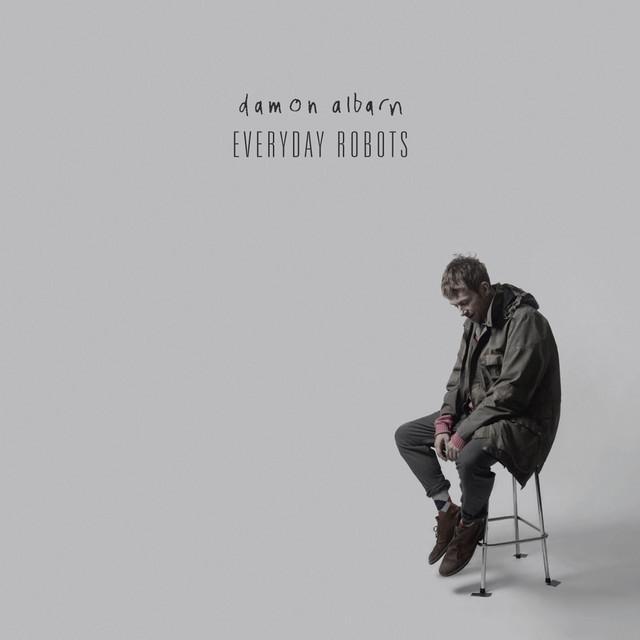
Everyday Robots by Damon Albarn
Why This Song Still Feels So Current
The meaning of Everyday Robots Damon Albarn centers on a simple but uneasy idea: modern life makes people feel connected and isolated at the same time. The song watches ordinary people move through the day with phones in hand, but it hears something sad beneath that routine. They are active, informed, and constantly linked to others, yet they also seem cut off from real closeness.
"Everyday Robots" - Damon Albarn
In the process of getting home
Looking like standing stones
Loading lyrics...
Unable to load lyrics
We're unable to display the lyrics at this time. Please try again later.
Released in 2014 as the title track and lead single from Albarn's debut solo album, the song arrived at a moment when smartphone life was already normal but still new enough to feel strange. That timing matters. Albarn was not predicting science fiction. He was describing a present tense that already felt a little dehumanized.

Watch the official Everyday Robots
music video
The Core Message Beneath the Hook
At its heart, the song argues that people can start to behave mechanically without realizing it. When Albarn sings everyday robots
, he is not talking about machines. He is talking about human beings slipping into habit, routine, and digital reflex.
The phrase on our phones
turns that idea into a vivid image. The people in the song are not villains, and the song is not anti-technology in a simple way. Instead, it notices how screens can flatten public life until everyone looks busy but emotionally absent.
Interpretation: The song's real sadness comes from how ordinary this has become. Nothing dramatic happens. People commute, scroll, text, and drive. Yet Albarn hears a slow loss of warmth and individuality inside those tiny actions.
How the Verses Build a Picture of Modern Isolation
The lyrics move through scenes of daily life and make them feel oddly ancient and frozen. One of the most striking images is standing stones
. In context, that suggests people standing still in public, locked into their devices, like monuments instead of living bodies.
That image links the modern and the prehistoric. The joke is subtle but bleak: all this advanced technology has not necessarily made human life more human. It may have made people more static, less expressive, and more alone out there on our own
.
Albarn explained that the song grew from observing people in a California traffic jam, all sealed inside private worlds, and Songfacts also notes his comments about imagining a future where people mainly touch thumbs. That detail sharpens the theme. Bodies shrink to gestures. Communication becomes efficient, but maybe thinner.
A Chorus About Motion Without Arrival
The key line about being in the process of getting home
sounds simple, but it carries much of the song's emotional weight. On one level, it describes commuters. On another, it suggests a deeper search for belonging, peace, or real connection.
The sad twist is that they may never quite arrive. Everyone is moving, but the song feels suspended. Cars sit side by side. People glance down. Time passes. Even the idea of home starts to sound less like a place and more like a feeling that modern life keeps delaying.
In the process of getting home
Looking like standing stones
Out there on our own
In those lines, the song condenses its whole worldview: motion, stillness, and loneliness all happen at once.
Sound and Production: Why It Feels So Haunting
The production helps explain the song's meaning as much as the words do. According to Wikipedia, the track was produced by Damon Albarn and Richard Russell, with piano, strings, electronics, drum programming, and sampled voice elements shaping its sound. It is often described as downtempo, and that fits.
Nothing in the arrangement pushes hard. The beat seems to shuffle rather than drive. The piano and strings feel soft, but not comforting. They hover around the vocal like a fog. That creates a mood of quiet observation, as if the song is watching the world through a rainy window.
Critics heard that blend clearly. In a brief review, The Guardian called the track "paranoid and pretty," which is a sharp summary of its emotional design. The beauty of the music keeps the song from sounding preachy. Instead of yelling about screen addiction, it lets the listener feel the numbness.
Artist Context Makes the Song Richer
This song mattered because it introduced Albarn's first proper solo album after years with Blur, Gorillaz, and other projects. That context gives the track extra weight. He was known for writing about society, technology, and the future before, but here the voice is more exposed and reflective.
Research around the album described its themes as more personal, while still dealing with mobile phones, games, and the pull between nature and technology. That balance can be heard in "Everyday Robots." The song is socially observant, but it also sounds like a private worry.
Interpretation: Albarn is not standing outside the problem. By saying "we," they include themselves. That matters. The song does not mock modern people; it mourns what they may be losing together.
Alternate Readings of the Song
There is a strong literal reading: this is a song about smartphone culture and modern disconnection. That reading is well supported by Albarn's own comments and by the recurring images of traffic, thumbs, status updates, and cold social contact.
But there is also a broader reading. "Robots" can mean any life shaped by repetition, aging, and systems beyond personal control. When the lyric hints that people are in control, or maybe being sold, it suggests consumer life itself can turn identity into a product.
That second reading makes the song bigger than a warning about phones. It becomes a meditation on routine, capitalism, and emotional drift in the 21st century.
Final Take on Its Meaning
The meaning of Everyday Robots Damon Albarn is ultimately about everyday alienation dressed up as convenience. It sees people surrounded by tools meant to connect them, yet still struggling to feel present, warm, and known.
That is why the song endures. Its message is quiet, not loud. It does not claim technology ruined everything. It simply asks what happens when daily life becomes so mediated that human beings start to look and act like systems themselves.
Disclaimer: This interpretation mixes documented context with informed critical reading, and song meanings can reasonably vary from listener to listener.








