Why 'Lost Again' Still Hits So Hard
The meaning of Lost Again Dance Hall Crashers comes down to a painful mix of direction and doubt. They know what emotional destination they want, but they cannot find a clear way to reach it. That tension gives the song its staying power: it feels like a breakup song, a communication song, and a song about personal frustration all at once.
"Lost Again" - Dance Hall Crashers
Cause I can't take another handshake
Or another blank stare
Loading lyrics...
Unable to load lyrics
We're unable to display the lyrics at this time. Please try again later.
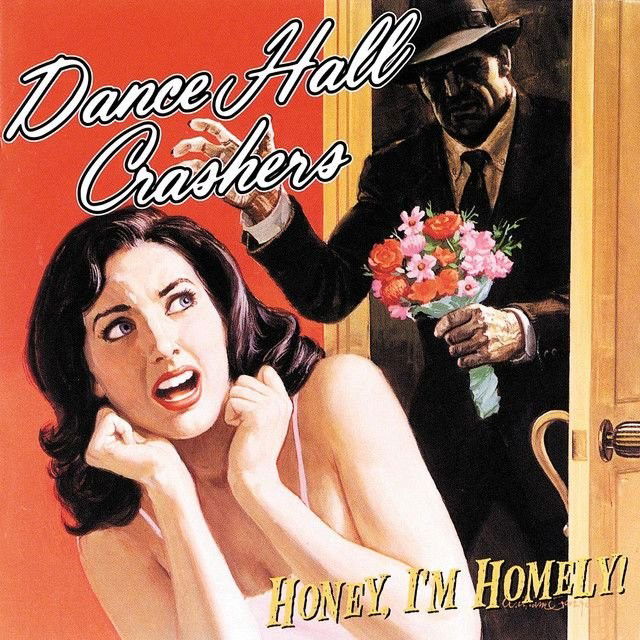
Dance Hall Crashers broke out in the late 1990s with Honey, I'm Homely!, and "Lost Again" was one of the album's key singles. The band, formed in Berkeley, California, had shifted by this period from earlier ska roots toward a more guitar-driven pop-punk sound, a change noted in overviews of their career. The song and its fellow single "Mr. Blue" also received radio play and music video support during the album cycle. Those facts help explain why this track feels so polished and immediate in the band's catalog.[1]
A Heart That Knows the Goal but Not the Route
At its core, the narrator sounds trapped between self-awareness and helplessness. The chorus says it plainly with I know where I want to go
and then undercuts that certainty with I just don't know
. In plain terms, they understand the outcome they want, but the path keeps falling apart.
That is why the song feels bigger than a simple argument. It is not only about being confused. It is about the special kind of frustration that comes when the problem is not desire, but access. They can see the emotional destination, yet every attempt to get there leads to another block.
Interpretation: This can be heard as a relationship on the verge of collapse, but it also works as a broader coming-of-age feeling. They are old enough to know what health, honesty, or stability should look like, yet still stuck in patterns that keep them from reaching it.

Watch the official Lost Again
music video
The Other Person in the Room
The verses make it clear that someone else is involved. The opening complaint about another blank stare
suggests a person who is present physically but unreachable emotionally. Later, the narrator even wonders whether the problem is not their own failure at all, but the other person's refusal to hear them.
That shift matters. At first, the song sounds like self-doubt. Then it becomes more pointed. The line about a head being too thick, paraphrased, shows them realizing that effort alone cannot fix a dead-end dynamic.
There is also a social layer. The mention of handshakes and people the other person looks to hints at outside approval, surface politeness, or priorities that crowd out real connection. In other words, the song may be frustrated with emotional shallowness as much as with one difficult person.
Roads, Detours, and False Promises
The strongest images in the song all come from travel. Being lost, hitting a detour, and following a shining road all turn emotional confusion into physical movement. This is one reason the track is easy to connect with: almost everyone understands the stress of missing a turn or being sent the wrong way.
The most revealing image may be the warning about the gold road
. The song treats that road not as a dream path, but as a trap. Something that looks successful or impressive may actually end in damage. That gives the song a sharp edge. They are not only lost; they are suspicious of easy answers.
If I hit another detour
I'm afraid that I won't care
This is the closest the song comes to emotional burnout. The fear is not just getting hurt. It is becoming numb after too many setbacks.
Smiling Through the Exit
One of the saddest moments comes when the narrator says they will keep smiling until the door closes behind them. Paraphrased, they are still performing calm and politeness even while they are being worn down.
That detail changes the tone of the whole song. Instead of a loud confrontation, much of "Lost Again" sounds like contained frustration. They see the harm being done. They are not naive. But they are still choosing grace on the surface, at least until they leave.
Interpretation: This may suggest a person trying to preserve dignity in a failing relationship. It can also reflect the pressure to stay pleasant in social scenes where honesty would make things messier.
Why the Music Makes the Message Land
The band's sound is crucial to the song's meaning. By the time of Honey, I'm Homely!, Dance Hall Crashers had leaned further into punchy guitars and pop-punk drive while still carrying over some ska energy from earlier years.[1] That balance matters.
A slower arrangement might have made the song sound defeated. Instead, the brisk tempo and tight attack give the emotion momentum. They do not sound passive. Even in confusion, they are pushing forward.
The dual-vocal history of Dance Hall Crashers also adds context to the band's emotional identity. With Elyse Rogers and Karina Deniké as central voices in this era, their songs often carried a mix of sweetness, bite, and clarity. "Lost Again" fits that pattern well: catchy on the surface, unsettled underneath.
Why the Song Still Connects
Part of the meaning of Lost Again Dance Hall Crashers is its honesty about mixed feelings. They are hurt, but not hopeless. Angry, but still trying. Clear about what is wrong, but unsure how to repair it.
That is why the chorus sticks. Many songs are about not knowing what they want. This one is harder and more relatable: they do know what they want, and that makes failure sting more.
In the end, "Lost Again" feels like a portrait of emotional misdirection. Someone is trying to reach understanding, respect, or love, only to find detours, silence, and a destination that keeps moving.
Disclaimer: This interpretation is based on the lyrics, the song's musical presentation, and verified band context. As with any song, listeners may hear meanings that differ from this reading.
[1] https://en.wikipedia.org/wiki/Dance_Hall_Crashers







