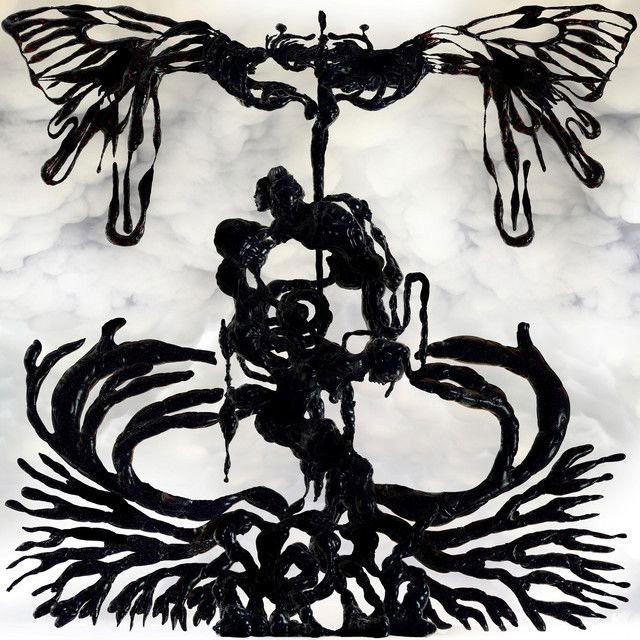
Why Danny Elfman’s “Sorry” Sounds So Angry
The meaning of Sorry Danny Elfman becomes clear fast: this is not a gentle apology song. It uses the language of regret to deliver disgust, rage, and refusal. The title says one thing, but the voice says another.
"Sorry" - Danny Elfman
(I'm so, I'm so sorry)
(Sorry, sorry)
Loading lyrics...
Unable to load lyrics
We're unable to display the lyrics at this time. Please try again later.
Released with a video in January 2021, the track was described by Rolling Stone as part of Elfman’s return to solo work after decades of being known mainly for film and TV composition and for leading Oingo Boingo. In the same piece, Elfman called the song an "alien orchestral chamber punk" creation and said it was the first song he had written for himself in a long time. He also admitted that a surprising amount of anger came pouring out once he started singing. Those facts shape how listeners hear every second of this track.
The Song’s Real Target Hides Behind the Apology
On the surface, the chorus keeps circling back to I'm so sorry
. But the song quickly shows that this is not confession. It is sarcasm sharpened into a weapon.
The verses paint a world damaged by lies, corruption, and pressure. Early lines suggest something precious has been erased or invaded, which gives the song a bigger scale than a simple breakup. Then the speaker turns toward a direct enemy, someone associated with falsehood, suffocation, and control.
Interpretation: the target could be one toxic person, but it can also stand for a larger force, such as political manipulation, social decay, or a culture built on deceit. The lyric about mist of lies
supports that wider reading.

Watch the official Sorry
music video
From Hurt to Revolt: How the Lyrics Escalate
The song moves in stages, and that structure matters.
First, it opens with obsessive repetition. The endless apologizing creates a ritual-like mood, almost like a chant. Then the lyrics widen into a statement about a broken public world, where important things have been corrupted.
After that, the song becomes personal and physical. The speaker no longer just objects to lies; they describe being unable to live around this force. The line You suffocate me
is blunt, but it does a lot of work. It turns emotional harm into bodily harm.
That leads to one of the song’s darkest turns:
I can't breathe while you're alive
You suffocate, you suffocate
This is the article’s clearest emotional center. The speaker feels so overwhelmed by the target’s presence that survival itself seems threatened.
The Hook Is Ironic, Not Gentle
What makes the meaning of Sorry Danny Elfman so striking is the gap between word and intent. Normally, saying sorry lowers tension. Here, it raises it.
Each return of sorry
sounds less human and more hostile. It becomes a taunt. Instead of offering repair, the refrain underlines how impossible repair feels.
Interpretation: the repeated apology may show what happens when normal polite language breaks down. The speaker uses the one word meant to heal conflict, but the rage underneath is too severe. That irony gives the song its bite.
Fire, Glass, and Air: The Main Symbols
Elfman loads the song with hard, vivid images. They are not random.
- Air and breathing suggest freedom, life, and mental space. When the speaker says the target steals air, the song frames them as spiritually and emotionally parasitic.
- Glass suggests fragility. When the song says things are going to break, it hints that this ugly power structure only looks solid.
- Fire points to collapse and judgment. When the lyrics warn that a house is burning, it sounds like consequences finally arriving.
- Devotees and empty eyes suggest blind followers, not just one villain. That broadens the song from personal hatred into social critique.
Together, those symbols make the track feel like both meltdown and uprising.
Why the Sound Feels So Claustrophobic
The production is key to the song’s meaning. Rolling Stone noted that the song began as an obsessive choral chant, and that history is easy to hear. The repeated vocal lines feel mechanical, swarming, and inescapable.
The arrangement blends rock aggression with a theatrical, almost cinematic darkness. That makes sense given Elfman’s career in screen scoring, from Tim Burton films to The Simpsons theme. But this track does not sound polished for comfort. It sounds jagged and crowded, as if the music itself is closing in.
That sonic pressure mirrors the lyrics about suffocation. The chant, the pounding rhythm, and the grim orchestral color all make the listener feel boxed in. In other words, the production does not just support the lyrics; it performs them.
Artist Context Changes the Reading
Because Elfman spent years known more as a composer than a front-facing solo singer, this song lands as a return with a purpose. According to Rolling Stone, the video was originally meant to serve as a visual backdrop for his planned 2020 Coachella performance, and he released it on January 11 because the number 11 has personal meaning to him.
That context matters because "Sorry" does not sound like a casual side project. It sounds like a deliberate release of stored emotion. When Elfman said he was surprised by the rage inside him, it gave listeners a useful frame: this is a song about pressure finally bursting.
Final Take on the Meaning
The meaning of Sorry Danny Elfman is best understood as a fake apology masking a real act of resistance. The song speaks in the language of politeness, then tears that politeness apart.
Interpretation: whether listeners hear it as a message to one hateful person, a corrupt culture, or both, the core feeling stays the same. This is a song about refusing suffocation and refusing silence.
Disclaimer: This interpretation is based on the song’s lyrics, sound, and publicly available artist comments. Like most art, it can support more than one reading.