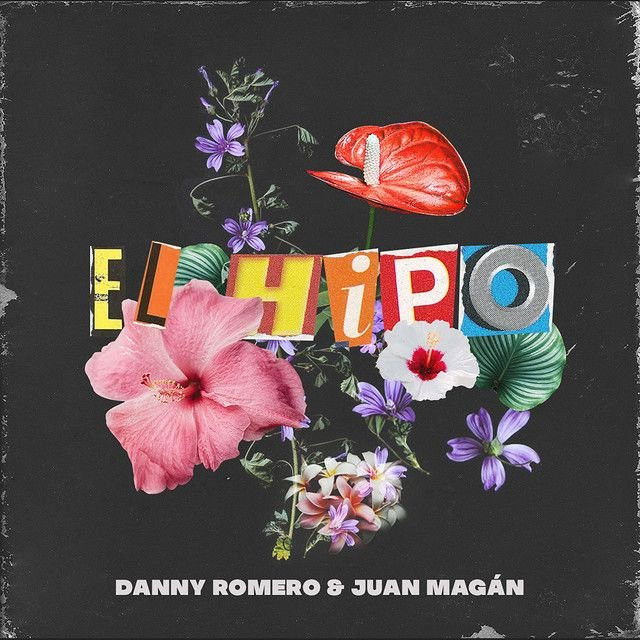
El Hipo by Danny Romero, Juan Magán
The meaning of El Hipo Danny Romero, Juan Magán comes down to a simple idea: attraction so strong it feels physical. Rather than describe love as soft or poetic, the song makes it sound like a body malfunction. They frame desire as something that scrambles speech, balance, and calm, which gives the track its playful edge.
"El Hipo" - Danny Romero, Juan Magán
No sé respirar sin ti
Niña, agárrame la mano pa bailar
Loading lyrics...
Unable to load lyrics
We're unable to display the lyrics at this time. Please try again later.
That approach fits both artists. Danny Romero built his name in Spanish-language pop and dance music, while Juan Magán is closely tied to the electro-Latino sound that mixes club beats with flirtatious hooks, as reflected across his widely documented career and catalog on major music platforms like Spotify and Apple Music. Even without a long backstory inside the lyrics, the song clearly belongs to that world: fast emotions, dance-floor chemistry, and a chorus built to stick.
A Crush That Feels Like a Physical Attack
At its core, the song is about being overwhelmed by one person’s effect. Early lines compare that feeling to not knowing how to live, breathe, or even walk properly without them. That is not meant to sound realistic. It is exaggerated on purpose, turning infatuation into a comic emergency.
The key image is the title idea itself: me quita el hipo
. In plain terms, they suggest this person hits with such force that the body reacts before the mind can catch up. The song uses that sensation to show a loss of control, but in a light, flirt-heavy way rather than a tragic one.
Interpretation: the “hiccup” is less about literal surprise and more about interruption. This person interrupts normal thought. They break routine. They throw the singer off rhythm, which is why the body imagery matters.

Watch the official El Hipo
music video
How the Verses Build Desire Into Comedy
The verses pile on symptoms. They mention cold sweats, tangled thoughts, and a tongue in knots. A short phrase like sudores fríos
points to nerves, while the broader idea is that attraction shows up physically before it becomes verbal.
That is why the song works as pop writing. Instead of saying “they are in love,” it presents signs of being flustered. The listener can picture the scene: someone sees the person they want, then suddenly cannot act normal.
There is also a teasing confidence in the lyrics. The singer knows they are hooked and does not hide it. When the song says me tiene loco
, it is less a confession of pain than a brag about how intense the chemistry feels.
The Chorus Turns Flirting Into Obsession
The chorus is repetitive because obsession is repetitive. They return again and again to the same emotional point: one moment of affection does not satisfy. The phrase un beso me sabe a poco
captures that neatly. A kiss is not presented as fulfillment. It only creates more hunger.
That repeated demand for otro y otro
turns the hook into the song’s whole message. Desire here is not calm, mature, or resolved. It is immediate and impulsive. The singer wants more closeness, more dancing, more response.
Interpretation: the chorus is not only about kissing. It is about the logic of infatuation itself. Once attraction takes hold, enough never feels like enough.
A Dance Floor Story, Not a Deep Relationship Ballad
This is important for understanding the meaning of El Hipo Danny Romero, Juan Magán. The song is not trying to map out a full romance. It captures a charged moment: seeing someone, wanting them, and feeling mentally knocked sideways by their presence.
That is why dance appears so often in the song’s logic. Holding hands, moving together, and staying close are all treated as forms of emotional proof. In a club-pop context, dancing becomes the first language of desire.
There is also a playful push-pull dynamic. The singer asks for mercy, says they are being provoked, and suggests the other person knows exactly what effect they have. That adds a game-like energy. The attraction feels mutual, or at least possibly mutual, which keeps the mood bright instead of desperate.
How the Sound Sells the Meaning
Production matters here. Even when official credits are not fully listed in the provided context, the song’s style points to an upbeat Latin pop and electro-dance mix associated with both artists’ catalogs. The rhythmic bounce gives the “hiccup” concept a musical form. The repeated syllables in the hook almost mimic a stutter or breath-catch.
That is smart songwriting. A title like “El Hipo” could have been a one-joke gimmick, but the structure supports it. The clipped repetitions, chant-like chorus, and energetic pacing all reinforce the idea of someone losing composure in real time.
Juan Magán’s presence also matters culturally. He has long been associated with club-oriented crossover records, as shown in career summaries from outlets like Billboard and artist bios on major streaming services. Danny Romero brings a lighter, melodic tone that keeps the song youthful rather than aggressive. Together, they make attraction sound fun, frantic, and made for movement.
Final Take: Why “El Hipo” Sticks
What makes the song memorable is its choice to turn desire into a body reaction. Instead of using grand romance, it uses funny, exaggerated instability. That makes the track easy to feel and easy to sing along to.
In the end, the meaning of El Hipo Danny Romero, Juan Magán is about chemistry that hits so hard it disrupts everything else. They present attraction as dizzy, repetitive, and almost silly in its intensity—and that is exactly why the song works.
Disclaimer: This interpretation is based on the lyrics provided, the song’s style, and publicly known artist context. Meaning in pop songs can vary by listener.








