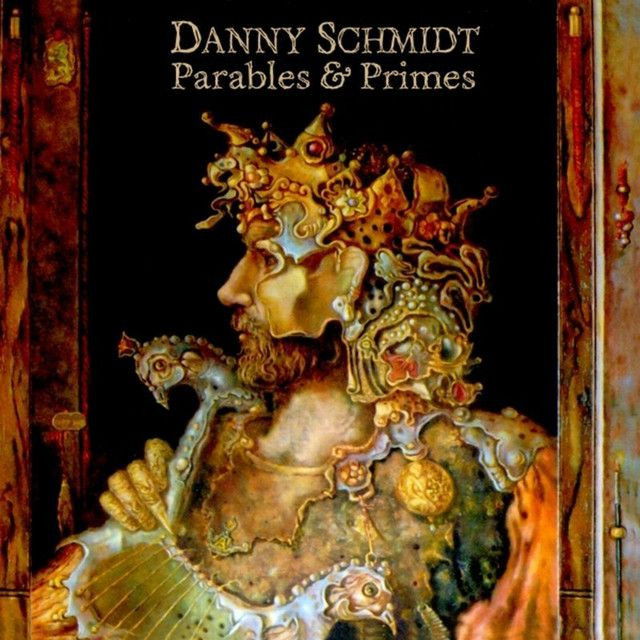
This Too Shall Pass by Danny Schmidt
They turn to this song when life is moving too fast. The meaning of This Too Shall Pass Danny Schmidt comes down to a clear promise and a tough challenge: everything changes, so hold loosely—and look closely. Schmidt turns a proverb into a lived philosophy, mixing humor, science, and folk wisdom into one steady, ringing thought.
"This Too Shall Pass" - Danny Schmidt
Better carve it on your forehead or tattoo it on your ass
'Cause who can tell, when the clock strikes twelve
Loading lyrics...
Unable to load lyrics
We're unable to display the lyrics at this time. Please try again later.
The Lesson in Motion
At heart, the song says: change is constant, and perspective is power. The opening line’s pulse—things change fast
—captures life’s whiplash. By pairing that speed with the refrain’s comfort, he shows how acceptance can calm the churn without denying it.
Schmidt reframes the proverb as a practice, not a platitude. He invites listeners to remember it when they’re high and when they’re low. That dual use is key: the message isn’t just consolation after loss; it’s also a guardrail against pride. In both cases, the ring’s lesson is the same: don’t cling.

Watch the official This Too Shall Pass
music video
Who Speaks, And Why It Sticks
The narrator is a first-person storyteller who toggles between streetwise and tender. They joke, they philosophize, and they confess doubt. When they admit, we think too big
, they mean people mistake themselves for fixed, solid entities. Then they twist into biology—self-interest is divine
—to question whether our cells, and by extension our choices, follow a ruthless logic of survival.
That blend of big ideas with lived detail grounds the song. He addresses a friend who makes rings and, by extension, listeners who are mystified by things
. Awe isn’t a problem here; it’s a method. The narrator urges us to keep that awe while also facing impermanence head-on.
The Story in Three Turns
- The rush of time: Midnight flips the day, and meaning blurs. The singer frames how quickly today becomes a memory.
- The artisan and mortality: A ring-maker wonders why nothing lasts, pushing the narrator toward harder truths about bodies, growth, and harm.
- The king’s parable: A ruler can’t handle the swings of fortune, so wise people craft a ring to remind him. It carries the line everyone remembers:
Just know, this too shall pass
By ending on a fable, Schmidt gives the song’s philosophy a story spine. The image of a ring—endless, unbroken—holds a message that’s meant to circle back whenever emotions spike.
Symbols You Can Feel
- The ring: Endless shape, portable wisdom. It’s permanence wrapped around impermanence, a wearable mantra.
- Clouds and weather: He tells us to
praise the shapes
and topray to rain
as well as light. The point isn’t to celebrate only the good, but to revere the whole cycle—storm and sun. - Hands, needs, grass, weeds: Praying to the ordinary shifts devotion from abstraction to the tangible. It’s reverence for what keeps us alive, not what keeps us lofty.
- Cancer and the buffalo: The “self-interest” metaphor forces a moral inventory. When growth becomes harm, the song asks for awe and responsibility in how we fight it—“with respect,” not denial.
These images aren’t random metaphors; they’re a toolkit. Each symbol gives listeners a way to practice the proverb in a daily, physical way.
How the Sound Carries It
Musically, Schmidt tends to keep arrangements spare—fingerpicked acoustic guitar and an intimate, close-mic vocal that feels conversational. That restraint puts every word under a soft spotlight. It also places the song squarely in contemporary American folk, a lane where Schmidt has long thrived. He won a Kerrville New Folk award in 2007, and in 2010 a Chicago Tribune critic named him among 50 significant folk singer-songwriters of the last 50 years. The song’s broader recognition grew when it served as the Weather segment in a 2012 episode of Welcome to Night Vale, aligning its folk parable with a modern storytelling format.
Interpretation: The production’s quiet confidence underscores the message. No big chorus or swelling strings rescue the listener; the comfort arrives through clarity, not volume. The vocal phrasing lets the proverb settle like a breath, the way wisdom often does—slowly, then all at once.
Another Way to Hear It (and the Takeaway)
Interpretation: Some hear the song as stoic advice—accept what you can’t control. Others hear a critique of hyper-individualism: when we isolate the self, we risk becoming like the “cells” bent only on personal gain. A third reading sees a non-dogmatic spirituality: the prayer language honors need and nature without pledging to a single creed.
Whichever path you take, the meaning of This Too Shall Pass Danny Schmidt lands in the same place: relief without denial. The song doesn’t say pain is small; it says it’s moving. And when joy swells, the ring whispers the same warning, keeping our balance on the ride.
Disclaimer: Song meanings are subjective. This analysis reflects one informed interpretation and may differ from the artist’s intent or individual listener experiences.








