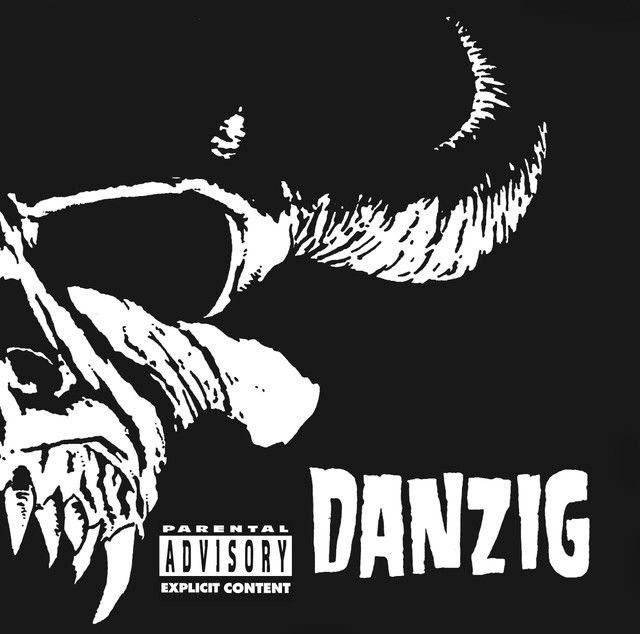
Why 'Mother' by Danzig Still Provokes
The meaning of Mother Danzig starts with a dare. The song sounds like a threat on first listen, but underneath the swagger it is really pushing back against control. Danzig’s narrator speaks to parents and authority figures as if to ask: can they protect children forever, or are they really just trying to control what those children think?
"Mother" - Danzig
Tell your children not to walk my way
Tell your children not to hear my words
Loading lyrics...
Unable to load lyrics
We're unable to display the lyrics at this time. Please try again later.
That tension is why the song has lasted. Originally released in 1988 as the lead single from Danzig, and later boosted by a 1993–94 reissue, Mother
became the band’s highest-charting song, reaching No. 43 on the Billboard Hot 100 and No. 17 on Mainstream Rock. Factually, it was written by Glenn Danzig and produced by Rick Rubin. Those details are widely documented in major reference sources and song histories.
The Core Idea Hiding in Plain Sight
At its heart, the song challenges censorship, moral panic, and overprotective parenting. Glenn Danzig has said the song was aimed at parents who try to decide what their children should hear, and reporting on the song has long tied it to the PMRC era and Tipper Gore’s campaign for warning labels.
That context matters because the lyrics are not gentle. When the narrator says tell your children not to walk my way
, they are not just describing one bad influence. They are acting like the figure authority fears most: the outsider who cannot be controlled.
Interpretation: The song does not simply glorify rebellion. It stages a confrontation between two forces:
- authority that wants to shield
- youth culture that wants to explore
- an artist who refuses to be sanitized
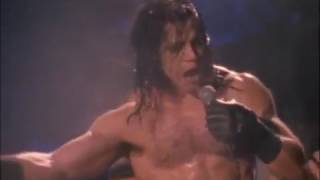
Watch the official Mother
music video
Mothers, Fathers, and the Language of Control
The repeated calls to Mother
and Father
make the song feel personal, but they work more like symbols than characters. These figures represent the people who claim to know what is safe, acceptable, or moral.
The question keep them in the dark for life
is the key line to this reading. Paraphrased, the song asks whether protection can become ignorance. If children are hidden from the world, are they truly being cared for, or are they being denied the chance to grow?
That is why the song’s language is so confrontational. The narrator sounds dangerous on purpose. They are forcing authority to reveal its own fear.
The Chorus Turns Fear Into a Challenge
The hook sharpens the conflict. When the song says not about to see your light
, it rejects the moral framework being offered by authority. In plain terms, the narrator refuses the idea that there is only one approved path.
Then comes the song’s darkest image: find hell with me
. This is not necessarily a literal invitation to evil. It can be heard as a sarcastic reply to moral panic. If authority already sees the outsider as corrupt, the narrator leans into that image and throws it back at them.
Not about to see your light
If you wanna find hell with me
Interpretation: The chorus may be saying, “If you already think rock music is dangerous, then go ahead and face what you fear.” That makes the song more political than it first appears.
How the Sound Sells the Meaning
The production is a huge part of why the message lands. Rick Rubin helped shape the debut Danzig album with a stripped-down but powerful sound: thick guitar, heavy groove, clear drum attack, and lots of space around Glenn Danzig’s voice.
Instead of speed-thrash chaos, the song moves with a slow, stomping confidence. That matters. A faster arrangement might have sounded frantic. This one sounds certain. The riff feels like a march, and the drums hit like a warning.
Glenn Danzig’s vocal style also carries meaning. They sing with a bluesy growl that sounds both theatrical and direct. That mix of menace and control makes the lyrics feel less like confession and more like a public challenge.
Why the Song Broke Through Years Later
Part of the song’s legacy comes from timing. The original 1988 release built a strong following, but the reissue in 1993–94 helped it cross into the mainstream. A remixed version, plus a live-style video that got major MTV exposure, pushed the song to a much wider audience during the grunge era.
That second life fits the song itself. Mother
is about resisting gatekeepers, and it eventually outgrew the limits of its first release. It moved from underground metal culture into broader rock radio without losing its edge.
The controversial video history also fed its reputation. MTV reportedly rejected parts of the original clip because of provocative imagery, which only reinforced the song’s identity as a work fighting censorship and public respectability.
The Best Reading of "Mother"
The strongest reading is that the meaning of Mother Danzig lies in its attack on fear-based control. It argues that trying to protect young people from ideas, art, or experience can become a form of domination.
A second reading is more theatrical: the narrator is performing the role of the villain adults imagine. In that version, the song mocks the idea that music alone can corrupt a listener.
Both readings can be true at once. That is part of the song’s power. It is blunt enough to feel immediate and layered enough to keep people debating it.
Final Take
“Mother” endures because it turns a culture-war argument into a great rock song. Its lyrics challenge authority, its sound gives that challenge weight, and its history makes the message even sharper.
For many listeners, that is the real meaning of “Mother” by Danzig: not a simple celebration of darkness, but a fierce argument against being told what to hear, think, or become.
Disclaimer: This article offers informed interpretation based on documented context and the song’s lyrics. As with any song, meaning can vary from listener to listener.








