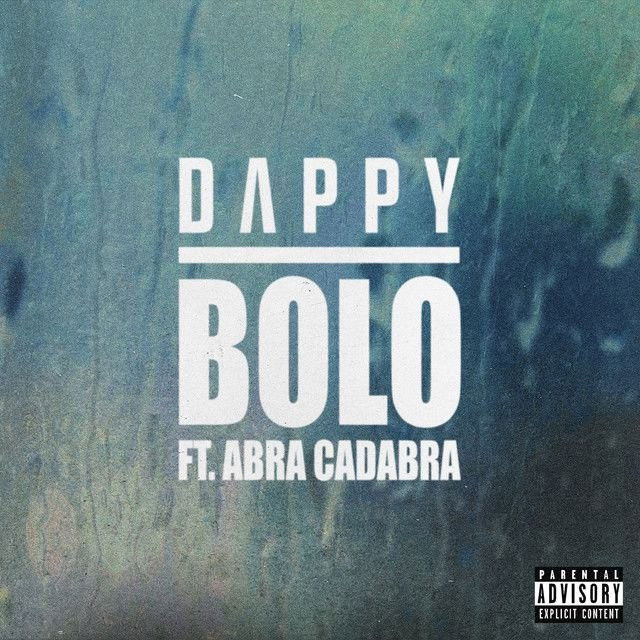
Why ‘Bolo’ Turns Wealth Into a Warning
The meaning of Bolo Dappy, Abra Cadabra is bigger than a standard rap boast. On the surface, the song is about money, status, and power. But underneath that, it is also about proving who is real, who is pretending, and what success looks like when artists come from pressure-filled worlds.
"Bolo" - Dappy ft. Abra Cadabra
Yo Rvchet, it sounds mad
(It's Niko on this beat)
Loading lyrics...
Unable to load lyrics
We're unable to display the lyrics at this time. Please try again later.
Dappy and Abra Cadabra use the track to compare earned success with empty performance. They celebrate cash, career growth, and influence, but they also challenge people who fake hardship or turn crime into style. That tension gives the song its edge.
The Core Idea Hiding Inside the Flex
At its center, “Bolo” is about credibility. Dappy keeps returning to the idea that real success should speak for itself. When they describe pockets on swoller
, they are not just bragging about money. They are marking financial growth as proof of work, experience, and survival.
The song also draws a line between private achievement and public showing-off. One of its sharpest contrasts is between sharing money with family and posting for attention. In paraphrase, Dappy says they split earnings with loved ones while others put everything online for image. That makes the song feel less like random flexing and more like a statement of values.

Watch the official Bolo
music video
Dappy’s Verse: Success With a Chip on Its Shoulder
Dappy’s sections are full of ambition. He mocks people who are, in his view, pretending to live a life they have not really earned. The line about needing an Oscar
frames rivals as performers, not authentic hustlers.
That connects directly to his own goals. When he says he is trying to grab a Grammy
, the boast becomes aspirational. He is not only chasing street respect or chart numbers; they are aiming for mainstream recognition too. That blend matters because Dappy has long existed between pop visibility and harder-edged UK rap identity.
Interpretation: This makes “Bolo” sound like a defense of longevity. He is arguing that they have stayed relevant by doing the work, not by playing a character.
Abra Cadabra Changes the Temperature
Abra Cadabra’s appearance shifts the song into darker territory. His verse leans heavily on threat, retaliation, and readiness for violence. Rather than focusing on money or awards, they stress danger and dominance.
This changes the meaning of the track. Dappy’s parts often sound like a success sermon with warnings about fake people. Abra’s verse makes those warnings feel immediate and physical. It reminds listeners that, in drill and adjacent rap styles, wealth is rarely shown as peaceful. It attracts pressure.
Because of that, the collaboration works well. Dappy brings veteran swagger and ambition; Abra brings menace and intensity. Together, they turn the song into a two-sided portrait of power: one side is business, the other is survival.
The Chorus Sums Up the Song’s Worldview
The repeated hook is the key to the whole record. It returns to growth, humility, and suspicion of fake lifestyles. When Dappy says I don't move too flashy
, they set up one of the song’s main contradictions: they are clearly flexing, but they still want to be seen as grounded.
That matters because the hook keeps asking what real prosperity looks like. Is it expensive habits? Online displays? Or is it controlled success, family support, and international work?
The detail about having a show in a different country
answers that question. Touring becomes a symbol of legitimate elevation. In other words, the song suggests there is a difference between looking rich and building a career.
Money, Family, and Fake Hustle
One of the strongest ideas in “Bolo” is its attack on fake trapping. Dappy criticizes people who treat criminal aesthetics like fashion, especially if they come from comfort. That is one of the most pointed social observations in the song.
Instead of romanticizing the street, they expose imitation. The insult is not just that someone is unsuccessful; it is that they are borrowing struggle as costume. This gives the song a moral hierarchy. In their view, authenticity matters more than image.
Family is the other major value. Dappy repeatedly frames money as something to share, not just spend. That keeps the track from becoming purely selfish. Even at its most arrogant, it still tries to justify wealth through loyalty.
How the Beat Helps Sell the Meaning
The production supports that mix of pride and threat. The beat is sparse, punchy, and heavy, with the kind of low-end pressure common in UK drill and modern street rap. The percussion leaves lots of room for direct delivery, which makes every boast and threat hit harder.
Dappy rides the instrumental with bounce and confidence, while Abra attacks it more sharply. That contrast mirrors the lyrical split between achievement and danger. One sounds like a veteran taking stock; the other sounds like a warning shot.
A Bigger Reading of the Song
Interpretation: The meaning of Bolo Dappy, Abra Cadabra may be that success never fully removes a person from the world that shaped them. Even when the money grows, the language of competition, suspicion, and defense remains.
That is why the song feels tense even in its triumphant moments. It celebrates wealth, but it does not sound relaxed. It celebrates status, but it still scans for disrespect. “Bolo” presents success as visible, hard-earned, and always under challenge.
Final Take on “Bolo”
Ultimately, “Bolo” is about more than full pockets. It is about proving they are real in a culture crowded with performance, clout, and imitation. Dappy pushes the idea of earned progress and family loyalty, while Abra Cadabra reminds listeners that power still comes with threat.
That is what gives the track its sting: it is both a victory lap and a warning.
Disclaimer: This article offers an interpretation of the song based on the lyrics, performance, and context provided. Meanings can vary from listener to listener.









