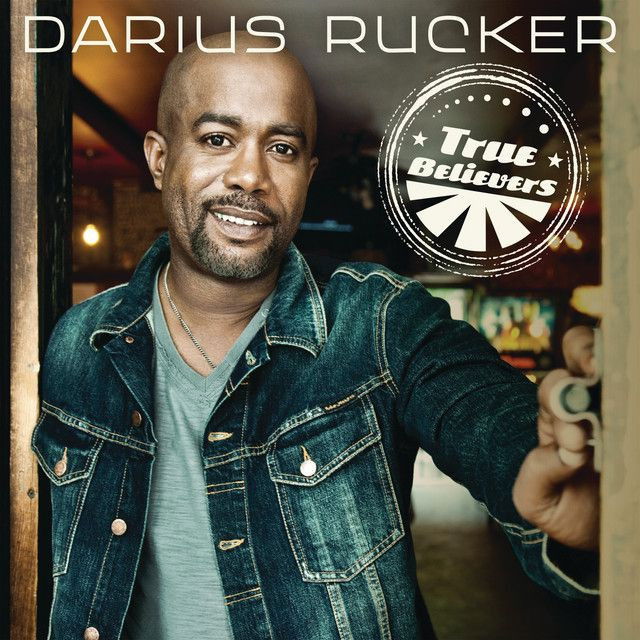
Wagon Wheel by Darius Rucker
Why does this road song still roll so smooth? The meaning of Wagon Wheel Darius Rucker turns on a timeless pull: love, home, and the steady rhythm that keeps a traveler moving when the miles get long.
"Wagon Wheel" - Darius Rucker
I'm thumbing my way into North Caroline
Staring up the road and pray to God I see headlights
Loading lyrics...
Unable to load lyrics
We're unable to display the lyrics at this time. Please try again later.
Southbound Longing, In Plain Sight
At heart, the narrator is chasing a reunion. They’re Heading down south
, hoping to cross distance and doubt to see their partner. The line pray to God I see headlights
turns the highway into a chapel—each oncoming car a small answer to a larger prayer.
Interpretation: The song treats home as both a place and a feeling. Movement is survival. The road gives purpose, and the chorus becomes a steadying ritual when the weather, money, or luck won’t cooperate.
Watch the official Wagon Wheel
music video
A Troubadour’s Voice and a Simple Promise
The singer speaks in first person as a working musician, born to be a fiddler
, with a partner who plays guitar. That tiny detail makes the romance tangible: two people bound by music and miles.
They’ve messed up, lost cash, and left town before; still, they commit to a better path. When they vow ain’t a-turning back
, it’s not just about the map—it’s about growing up.
Mile Markers: What Actually Happens
The verses sketch a crisp itinerary and a few lucky breaks.
- Leaving cold New England for warmer hope in the Carolinas.
- A grueling ride down the coast, flowers gathered, Raleigh on the mind.
- Gambling losses force a reset; the journey becomes a clean slate.
Walkin' to the south out of Roanoke I caught a trucker out of Philly
- Then a race against the sun toward Tennessee and back east to Raleigh, driven by a phone call and a promise.
The Chorus as Comfort and Engine
The refrain is the song’s heartbeat: rock me, mama
. Interpretation: It’s a plea for steadiness—by a lover, by fate, or by the road itself—to carry them along. When they ask to be rocked like a southbound train
, the metaphor fuses comfort with momentum. The wheel turns, the rhythm holds, and the traveler keeps faith.
Symbols, Maps, and the Idea of Freedom
Trains, headlights, wind, and rain are practical travel images that double as emotional signals—hope, timing, resistance, and renewal. Even the debated directional line about the Cumberland Gap highlights something deeper: the word “west” suggests possibility and power, even if the geography is off.
The final defiant thought—if they “die” in Raleigh, at least they’ll do it free—frames love and place as liberation. Interpretation: Freedom here isn’t lawless; it’s about choosing your path, owning your mistakes, and betting on the better life waiting at the end of the road.
How Rucker’s Version Changes the Ride
Rucker’s 2013 cut reframes the song from back-porch bluegrass to polished radio country. Producer Frank Rogers leans into pedal steel, steady drums, and bright acoustic strums. Fiddle and banjo flavors remain, but the groove is cleaner and bolder, with Lady A’s harmonies lifting the hook.
That arrangement matters for the meaning of Wagon Wheel Darius Rucker. The solid backbeat feels like tires humming on asphalt, giving the chorus a confident stride. Rucker’s warm baritone adds reassurance; he sounds like someone who’s been through storms and still trusts the road. The version became a career-defining hit, topped country charts, earned a Grammy for Best Country Solo Performance, and later achieved diamond certification—proof the story connected far beyond roots circles.
A Folk Lineage with Modern Legs
The song’s bones are older than its 2013 success. Bob Dylan’s 1973 “Rock Me, Mama” sketch provided the melody and chorus; Ketch Secor later wrote the verses and the detailed travelogue. That mix explains why it feels both classic and current: a hand-me-down chorus paired with lived-in, modern scenes.
Interpretation: Because it’s built like a folk song, listeners can project their own journeys onto it—college trips, military leave, a first long drive home. It’s easy to sing, easy to carry, and hard to wear out.
Two Readings That Both Ring True
- Reunion anthem: The traveler is charging toward a partner who kept faith, and the rocking is literal comfort—arms, porch swing, a couch after miles on the road.
- Self-rescue: The rocker is the road itself, a force that keeps them sober, focused, and moving away from bad habits toward a chosen future.
Why It Endures
“Wagon Wheel” is a map you can hum. It gives listeners a destination, a heartbeat to match their footsteps, and a chorus that prays and promises at once. That’s why bar bands, stadium crowds, and solitary drivers all reach for it.
Disclaimer: Song meanings are subjective. This interpretation draws on lyrics, artist context, and public history but may differ from individual listener experiences.
Sources
- https://en.wikipedia.org/wiki/Wagon_Wheel_(song)
- https://www.rollingstone.com/music/music-news/darius-rucker-on-wagon-wheel-and-bob-dylan-95877/
- https://tasteofcountry.com/darius-rucker-wagon-wheel-lady-antebellum/
- https://www.riaa.com/gold-platinum/?tab_active=default-award&ar=Darius+Rucker&ti=Wagon+Wheel
- https://www.billboard.com/artist/darius-rucker/chart-history/csa/
- https://www.washingtonpost.com/entertainment/music/grammys-2014-winners-list/2014/01/26/









