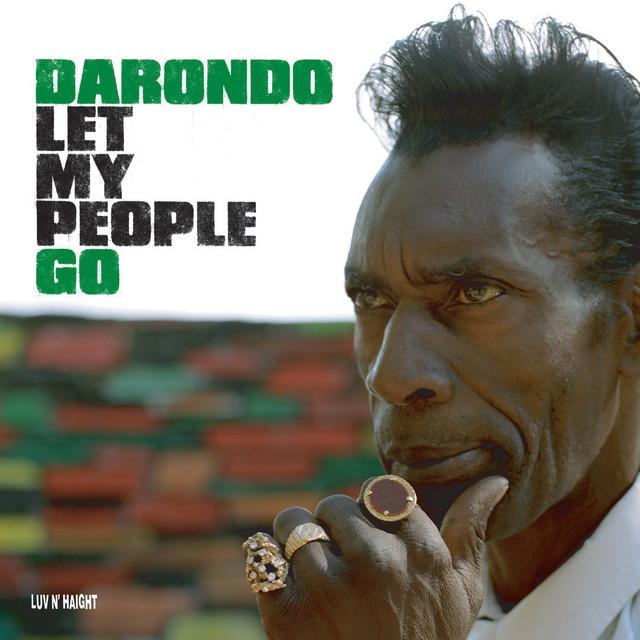
Why Darondo’s “Didn't I” Still Hurts
The meaning of Didn't I Darondo comes down to one painful question: what happens when someone gives everything they know how to give, and it still is not enough?
"Didn't I" - Darondo
Didn't I
Didn't I do the best I could
Loading lyrics...
Unable to load lyrics
We're unable to display the lyrics at this time. Please try again later.
Darondo’s song lives in that ache. First released in the early 1970s by the San Francisco soul singer, who was later rediscovered by a wider audience, the track has endured because it sounds both proud and deeply wounded. Critics have noted that Darondo released only a handful of 45s in the early ’70s before fading from view, which makes the song feel even more like a lost confession brought back into the light.
A breakup song built on disbelief
At its surface, the song is simple. The narrator has been left or is about to be left, and they cannot understand why. The repeated hook, built around Didn't I
, is not just a question for their partner. It is also a question they ask themselves.
They keep listing what they believe love should look like: care, effort, loyalty, and material support. When they say do the best I could
, the line frames the whole song as a defense. The narrator is trying to prove they were good enough.
Interpretation: This is why the song feels so raw. It is not only about heartbreak. It is about the collapse of a person’s self-image after rejection.
Watch the official Didn't I
music video
Love, money, and the role of “being a man”
One of the most revealing moments comes when the narrator says they tried my best
to be worthy in a specifically masculine way. They do not just describe emotion; they describe performance. They worked, provided, and kept going when life was hard.
The verse about buying rings, cars, clothes, and a home matters because it shows how the narrator measures devotion. In their mind, love is partly proven through provision. They are saying: I cared for you, I gave what I could, I built a life.
That makes the song richer than a standard plea. It captures a very old soul theme: the fear that tenderness and financial support still cannot create emotional closeness. The narrator can provide comfort, but they cannot force connection.
The blind spot inside the heartbreak
What makes “Didn't I” so strong is that the narrator is moving and limited at the same time. They sound sincere, yet the lyrics hint that they may not fully understand the other person.
When the song points to silence and asks why the partner will not talk, it reveals the real crisis. This is not just a fight over effort. It is a failure of communication. The narrator keeps asking what they did wrong, but they also keep returning to their own list of sacrifices.
Interpretation: That loop suggests a blind spot. They know how to offer things. They do not fully know how to hear what the other person needs.
The AV Club described the song as needy, pleading, and wooing all at once, while arguing that Darondo’s performance keeps it from sounding pathetic. That feels right. Their voice makes the character sound less manipulative than confused and hurt.
Why Darondo’s voice changes everything
If the lyrics were flat on the page, the song could seem defensive. But Darondo’s delivery transforms it. They sing with a high, aching tone that mixes pride, fragility, and real longing.
That is why short phrases like treat you right
and everything
hit so hard. On paper, those claims could sound boastful. In performance, they sound like someone trying to hold themselves together.
The arrangement’s quiet pressure
The production also supports the song’s meaning. It sits in a slow soul groove, with space around the vocal, so each plea lands clearly. The rhythm section does not rush the pain; it lets the questions hang in the air.
This matters because the arrangement mirrors the emotional state. The song never fully explodes. Instead, it lingers in suspense, as if the narrator is still waiting for an answer they know may never come.
More than romance: a study in unequal understanding
A useful way to hear the song is as a portrait of mismatched ideas of love. One person believes devotion is obvious because of what they have done. The other remains distant, unconvinced, or simply done.
It's a mystery to me
you won't talk to me
That brief moment sharpens the whole story. The deepest wound is not only abandonment. It is not knowing why.
Marah Eakin wrote that the song works because it captures a difficult truth: sometimes two people may have real feeling and still fail together. That idea helps explain the lasting pull of the track. It is romantic, but not naïve.
Why the song still connects today
The meaning of Didn't I Darondo still resonates because many breakup songs focus on blame, while this one centers confusion. The narrator is not asking only to be loved again. They are asking for the world to make sense.
That emotional mix gives the track its staying power:
- heartbreak without full anger
- pride without real peace
- generosity without understanding
- love without closure
In the end, “Didn't I” is moving because it knows effort is not the same as compatibility. Someone can give a lot and still miss what the relationship truly needs.
That is what makes the song feel so human. It does not offer resolution. It leaves the listener inside the hardest question of all: if they really loved as best they could, why did love fail anyway?
Disclaimer: This interpretation is based on the released lyrics, performance, and available commentary. As with most soul songs, listeners may hear different meanings in the same lines.








