Screaming Infidelities by Dashboard Confessional
Why This Breakup Song Still Cuts Deep
The meaning of Screaming Infidelities Dashboard Confessional starts with a simple idea: heartbreak does not stay neat. It spreads into bedrooms, old routines, late-night drives, and tiny details that suddenly feel unbearable.
"Screaming Infidelities" - Dashboard Confessional
I'm missing your bed
I never sleep
Loading lyrics...
Unable to load lyrics
We're unable to display the lyrics at this time. Please try again later.
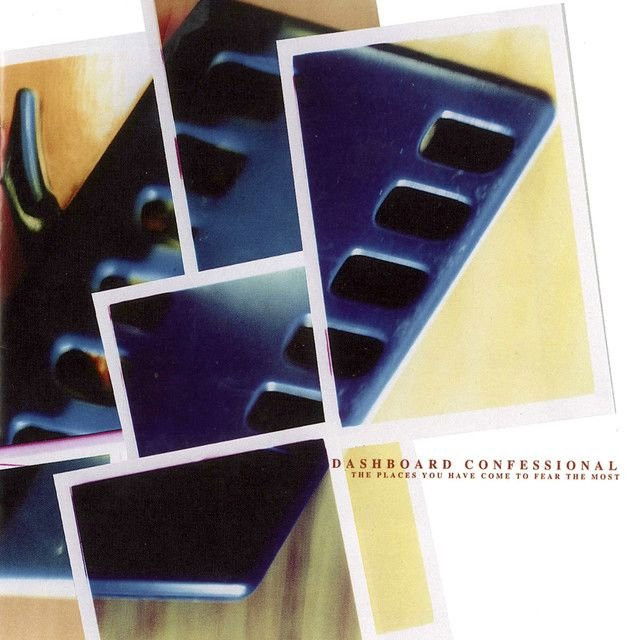
Chris Carrabba wrote the song, and it became one of Dashboard Confessional’s defining tracks. It first appeared on The Swiss Army Romance in 2000, then was re-recorded and released as a single on January 15, 2002, tied to The Places You Have Come to Fear the Most. It was produced by James Paul Wisner and became the band’s first charting song, reaching No. 22 on Billboard’s Alternative Songs chart. It also won the MTV2 Award at the 2002 VMAs. Those facts are widely documented by Songfacts, Stereogum, and Wikipedia.

Watch the official Screaming Infidelities
music video
The Core Meaning: Jealousy, Loss, and Obsession
At its heart, this is a song about a person who cannot stop replaying a breakup. They are not just sad. They are jealous, suspicious, lonely, and embarrassed by how much they still care.
The opening image, missing your bed
, tells the listener that grief is physical. The narrator cannot sleep, cannot settle, and cannot return to normal life. Soon the song moves from absence to suspicion. When they say you're not alone
, the pain is not only about being left. It is about imagining someone else taking their place.
Interpretation: The song is powerful because it captures two kinds of heartbreak at once:
- mourning what was real
- spiraling over what might have been hidden
That mix makes the narrator sound raw and unreliable in a human way. They are hurt, so every sign becomes loaded.
A Room Full of Evidence
One of the smartest parts of the lyric is how it turns a private space into a crime scene. Blankets, sheets, notes, and leftover traces all become emotional proof.
The repeated image your hair, it's everywhere
is the key symbol. On the surface, it is mundane. In context, it becomes haunting. Hair is what remains after someone leaves, and here it starts to feel like a witness. That is why the phrase screaming infidelities
lands so hard: the room itself seems to accuse.
Interpretation: The hair may not be literal proof of cheating in any clear, factual sense. It may show how the narrator’s mind works after betrayal. Everyday traces become louder than reason.
This is also why the breakup note matters. The narrator says they cannot understand much of it, except the promise of love forever. That detail suggests a deep mismatch between words and actions. The song’s anger grows from that gap.
I will love you always and foreverIn the song, that promise feels bitter, not comforting.
How the Chorus Turns Pain Into Self-Exposure
The chorus is famous because it does not pretend the narrator is noble. Instead of acting above it all, they admit they are going to sit with sad music and obsess over what their ex is doing.
That confession matters. Rather than framing heartbreak as poetic wisdom, the song shows the messy version: drinking, isolating, and imagining the other person moving on. The line about wishing to be elsewhere with anyone else reveals a desperate urge to escape humiliation, not true healing.
This honesty helped the song connect so strongly with early emo listeners. As Stereogum noted in its 20th-anniversary feature, Carrabba’s writing blended specific breakup details with a broader feeling many young listeners recognized. The song was deeply personal, but it still sounded universal.
The Sound of Private Pain Going Public
Production matters to the meaning here. Dashboard Confessional began as Carrabba’s largely solo project, and the earliest version of this song was recorded in a stripped-down setting with James Paul Wisner, plus small contributions from other musicians. That acoustic base keeps the emotion close and unguarded.
But the better-known re-recording adds more lift and drama. According to Stereogum, Carrabba later cut a fuller version with drums and a stronger coda. That change fits the song’s emotional arc. It starts like someone alone in a room, then grows into something larger and harder to contain.
Carrabba’s voice also does crucial work. He does not sound polished in a detached way. He sounds like someone trying to hold themselves together while failing in real time. That fragility is a huge part of why the song crossed from niche emo into mainstream recognition.
Why It Became a Breakthrough Anthem
Part of the song’s legacy comes from timing. In the early 2000s, emo was moving from underground scenes into wider youth culture, and Dashboard Confessional became central to that shift. Songfacts and Stereogum both note how the song spread early through shows, CD-Rs, and Napster before becoming a true breakout single.
Just as important, audiences did not only listen to it. They sang it back. Carrabba told Stereogum he was surprised by how strongly crowds responded. That matters for interpretation: a song about private misery became communal release.
So the meaning of Screaming Infidelities Dashboard Confessional is not only betrayal. It is also about what happens when private shame gets turned into shared catharsis.
Final Take: A Small Detail, A Huge Wound
What makes the song last is its scale. It does not explain everything about the breakup. It stays with a few details, a few accusations, and a few habits of grief. That restraint makes it feel more real.
Interpretation: They are not hearing a solved mystery here. They are hearing a mind in the middle of hurt, trying to make sense of mixed signals, empty space, and lingering evidence. That is why the song still feels immediate.
Meaning in songs can vary by listener, and this reading is an interpretation built from the lyric, performance, and documented context around the track.








