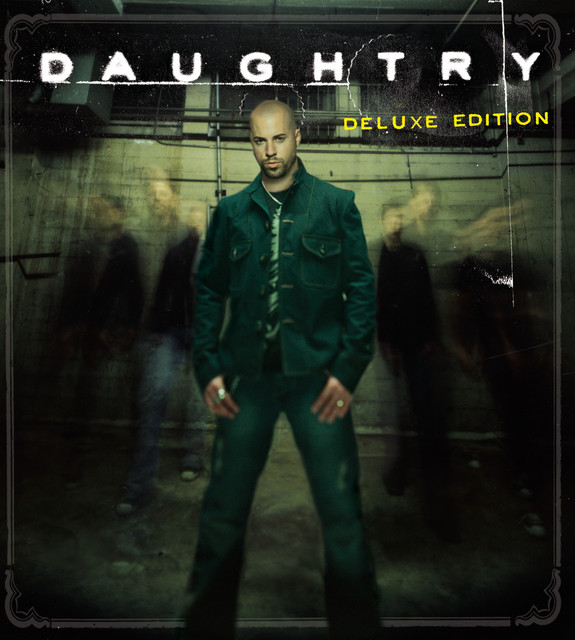
Why “Home” by Daughtry Still Hits Hard
Daughtry’s “Home” sounds huge, but its message is simple. At its core, the meaning of Home Daughtry is about realizing that success, movement, and ambition can still leave someone lonely. The song turns that tension into a rock ballad about wanting to return to the people who know them best.
"Home" - Daughtry
Trying to hide the pain
I'm going to the place where love
Loading lyrics...
Unable to load lyrics
We're unable to display the lyrics at this time. Please try again later.
Released in 2007 as the second single from Daughtry, “Home” was written by Chris Daughtry and produced by Howard Benson. It became one of the band’s signature hits, reaching No. 5 on the Billboard Hot 100 and dominating adult radio formats for weeks, according to the song’s widely cited chart history and release data.[1]
The Real Heart of the Song
On the surface, the narrator is traveling and looking back. But emotionally, they are doing more than taking a trip. They are admitting that the life they chose has grown tiring, and they miss the steady love waiting for them.
That is why the chorus matters so much. When they say going home
and where I belong
, the song is not only talking about geography. It is talking about emotional safety. Home is the place where they do not have to prove anything.
Interpretation: The song suggests that fame or career progress can create distance from the people who keep someone grounded. The return home is not defeat. It is clarity.

Watch the official Home
music video
Where the Song Came From
The backstory strongly supports that reading. Chris Daughtry told Entertainment Weekly that he wrote “Home” while imagining what it would feel like to leave family behind after advancing on American Idol. He described the strange feeling of facing a new life and said the song came together quickly, within about 15 to 20 minutes.[1]
That context gives the lyrics extra weight. Even when the song became a mainstream radio anthem, it kept the voice of someone standing on the edge of success and already feeling its cost.
Verse by Verse: A Story of Distance
The opening sets the mood with nighttime solitude and hidden pain. The narrator looks outward, but their thoughts turn inward. They want relief, yet they know the next phase of life will bring a new kind of ache.
Later, the song becomes more specific about guilt and gratitude. The narrator admits they have not always been the best partner or friend, but the other person keeps loving them anyway. That matters because it shifts the song from simple homesickness into something deeper: a return shaped by humility.
A few short phrases carry that idea well: hide the pain
, your love remains true
, and another try
. Together, they show someone who knows they have fallen short but still feels welcomed back.
The Chorus Turns Longing Into an Anthem
The chorus is memorable because it balances two ideas at once. First, the narrator insists they are not ashamed of their choices. Second, they admit that the road has lost its shine.
That balance appears in the contrast between not running from
and getting old
. They are not rejecting their whole life. They are rejecting the idea that constant motion is enough.
Back to the place where I belong
your love has always been enough
Those lines distill the song’s emotional center: belonging matters more than status. The narrator wants the kind of love that stays steady when everything else changes.
What “Home” Symbolizes
In this song, home is both literal and symbolic. It can mean a house, a hometown, or family waiting at the door. But it also means acceptance, forgiveness, and identity.
Several motifs support that reading:
- Night and distance: They suggest isolation and mental drift.
- Miles and travel: They show how success can widen emotional gaps.
- Faces and places: They represent a life that starts to blur together.
- Return: It signals renewal, not surrender.
Interpretation: The line about being careful what one wishes for adds a warning. The song recognizes that dreams can come true and still create loss. Getting “it all” may also mean getting pressure, loneliness, and disconnection.
How the Music Carries the Meaning
“Home” works because the production makes private feelings sound universal. Howard Benson’s style gives the song a polished rock structure: acoustic foundation, swelling guitars, strong drums, and a chorus built to lift. Critics at Billboard described it as an anthemic rock power ballad, which fits its design.[1]
That arrangement matters. The verses feel reflective, almost conversational. Then the chorus opens up with more force, as if a private confession suddenly becomes something everyone can sing.
Chris Daughtry’s vocal also drives the meaning. They deliver the softer lines with strain and restraint, then push harder in the refrain. That shift mirrors the song’s theme: trying to stay composed while longing for comfort.
Why the Song Connected So Widely
Part of the answer is timing. Daughtry emerged from American Idol with a broad U.S. audience, and “Home” captured a feeling many listeners understood: the moment when ambition and belonging stop feeling like the same thing. The song later became linked to farewells on American Idol and remained visible in TV and pop culture.[1]
But the deeper reason is emotional clarity. Almost everyone knows what it feels like to chase something, get closer, and still miss the people who made them feel whole.
The Lasting Meaning of Home Daughtry
The meaning of Home Daughtry is not just missing a place. It is realizing that love, forgiveness, and identity can matter more than the thrill of progress. The song gives that realization a stadium-sized sound without losing its personal core.
That is why it still resonates. It tells listeners that going back is not always weakness. Sometimes it is the clearest sign that they finally know what matters.
Disclaimer: This article offers interpretation based on the lyrics, artist comments, and release history. Song meaning can remain open to personal listener experience.








