Why 'Six Days on the Road' Still Hits Home
The meaning of Six Days on the Road Dave Dudley is simple on the surface and richer underneath: it is a song about a truck driver racing home, but it is also about working-class pride, fatigue, temptation, and the stubborn joy of making it through. Dave Dudley turned that setup into one of country music’s defining road songs.
"Six Days on the Road" - Dave Dudley
I got my diesel wound up and she's a running like never before
There's a speed zone ahead, but alright
Loading lyrics...
Unable to load lyrics
We're unable to display the lyrics at this time. Please try again later.
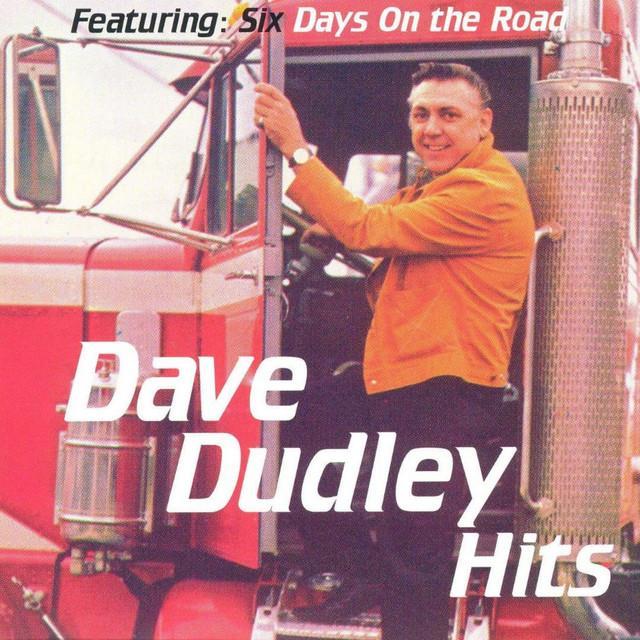
Written by Earl Green and Carl Montgomery, the song became a major hit with Dudley in 1963. According to available chart histories and song references, Dudley’s version reached No. 2 on Billboard’s Hot Country chart and No. 32 on the Hot 100, helping make it the best-known trucking song of its era. It was released as a single from Songs About the Working Man, which says a lot about its place in his catalog.
A Highway Story With a Working-Class Heart
At the most basic level, the song follows a driver on the final stretch of a long haul. They have been away nearly a week, they are tired, and they are still pushing forward. Every verse adds a new obstacle: speed limits, inspectors, fatigue, loneliness, and an aging truck.
But the heart of the song is not the road itself. It is home. The repeated idea of make it home tonight
turns the journey into an emotional countdown. The driver is not chasing adventure. They are chasing relief, love, and the end of separation.
That is why the song still connects. Even listeners who have never driven a rig can hear the larger feeling: the need to get through one more hard week and finally return to the people who matter.

Watch the official Six Days on the Road
music video
The Narrator’s Voice: Tough, Tired, and Focused
The narrator speaks in first person, but the song stands for a bigger group of workers. They sound proud of their skill and calm under pressure. When the lyric mentions ten forward gears
, it does more than describe machinery. It signals expertise. This is someone who knows the road and trusts their machine.
At the same time, the song does not romanticize trucking too much. It admits stress and risk. The line about little white pills
points to the harsh reality of staying awake on punishing schedules. That detail gives the song grit, not glamour.
Interpretation: The singer’s confidence is partly real and partly protective. Their swagger helps them endure the boredom and danger that come with nonstop driving.
How the Verses Build the Meaning
Each verse adds a layer to the portrait.
- The opening sets the truck in motion and frames the driver as already locked into a high-speed routine.
- The next verse shows the physical toll of the trip, including stimulant use and relentless passing.
- Then the song shifts to loneliness. The driver misses their partner and refuses fake comfort on the road.
- Another verse introduces rules and enforcement, including the I.C.C., scales, and a late log book.
- The final verse brings the truck and hometown into view, ending on relief rather than collapse.
That structure matters. The song keeps piling on pressure, then answers it with the same promise of home. The chorus is not decorative. It is the engine of the whole meaning.
Love Keeps the Wheels Turning
One of the song’s smartest turns is its treatment of romance. The driver says they could find company on the road, but they do not want a substitute. That idea separates this song from a simpler outlaw fantasy.
Instead, loyalty becomes the moral center of the track. The driver may bend speed rules and dodge weigh stations, but emotionally they stay pointed in one direction. In other words, the song admires toughness, yet it grounds that toughness in devotion.
Six days on the road
and I'm gonna make it home tonight
Those lines are the key because they fuse endurance and feeling. The job is hard, but the destination gives the hardship meaning.
Sound, Style, and Why Dudley Sells It
Production helps explain why Dudley’s version became the classic. His 1963 recording was cut at Kay Bank Studios in Minneapolis and produced by Shelby Singleton and Dave Dudley. Musically, it moves with the clean, driving pulse expected of early truck-driving country: steady rhythm, bright guitar, and a beat that feels like tires eating up miles.
Dudley’s voice is even more important. Critics have often noted how deep and worn-in it sounds. That rough baritone makes the singer believable as someone living on coffee, smoke, and road noise. The performance carries both pride and strain.
Country historian Bill Malone argued that the song helped spark a wider wave of trucking songs in the 1960s, when country music increasingly identified with working people. That context matters. This was not just a novelty about trucks. It gave labor, routine, and masculine endurance a dramatic center.
More Than a Truck Song
The song is often called a trucking anthem, and that is fair. But the meaning of Six Days on the Road Dave Dudley reaches beyond its setting.
Interpretation: The road stands for any demanding job that pulls people away from home. The pressure to keep moving, the small rule-breaking, the body wearing down, and the emotional pull of return all speak to a larger American work story.
That may be one reason it lasted. It has been covered many times, and Dudley’s version even served as a NASA wake-up song on STS-3. Its appeal crosses from country fans to anyone who recognizes the mix of duty and longing.
Why the Song Endures
What keeps the song alive is its balance. It is tough but not empty. It celebrates motion without hiding cost. It praises skill while showing loneliness. And it turns a very specific job into a universal feeling.
For many listeners, the song means this: work can wear a person down, but love gives the grind a finish line. That is why this fast, compact 1963 hit still feels human.
Disclaimer: This article offers a good-faith interpretation based on the lyrics, recording context, and historical reception. Meanings can vary from listener to listener.







