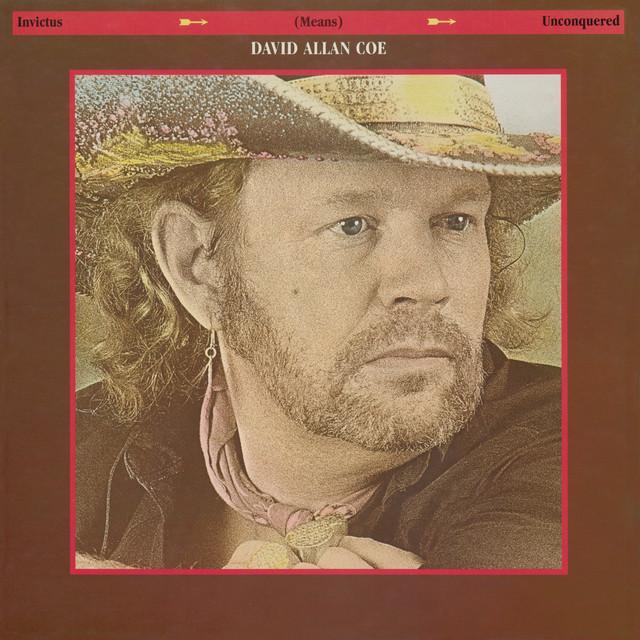
London Homesick Blues by David Allan Coe
A Texas Anthem Disguised as a Travel Complaint
The meaning of London Homesick Blues David Allan Coe comes down to one strong feeling: being far from home can make home feel almost sacred. On the surface, the song is funny. The singer gripes about London, feels out of place, and dreams of Texas. Under that humor, though, is a deep homesickness mixed with regional pride.
"London Homesick Blues" - David Allan Coe
Even London Bridge has fallen down and moved to Arizona
Now I know why and I'll substantiate the rumor that the English sense of humor
Loading lyrics...
Unable to load lyrics
We're unable to display the lyrics at this time. Please try again later.
David Allan Coe did not write the song; Gary P. Nunn did. That matters. Nunn reportedly wrote it after a rough stay in England, and the song later became closely linked to the Texas outlaw and progressive-country scene, even serving as the Austin City Limits theme for many years, as noted on Gary P. Nunn's profile. Coe’s version, released on Invictus Means Unconquered in 1981, brings that Texas identity into his own outlaw-country world.

Watch the official London Homesick Blues
music video
What the Story Says in Plain English
The narrator is stranded in a city that feels cold, unfriendly, and culturally foreign. They use jokes to describe that discomfort, but the message is serious: they miss the warmth, music, slang, and people of home.
The song opens with bad luck and alienation. When the singer says London makes a person feel like you're a goner
, they are not just talking about money. They mean the whole place feels defeating. Even the joke about London Bridge moving to Arizona turns England into a place that cannot hold onto its own symbols.
That comic exaggeration is important. It keeps the song lively, but it also shows how homesickness can distort everything. When people are lonely, every inconvenience feels bigger.
Why the Chorus Matters So Much
The chorus gives the song its emotional center. The wish to go home with the armadillo
is more than a funny image. It points to Texas as a place of comfort, belonging, and identity.
Here is the song’s most famous lyric moment:
home with the armadillo
good country music
Amarillo and Abilene
Those lines list symbols of Texas life rather than abstract feelings. Instead of saying “they miss home,” the song names animals, towns, music, and friendly faces. That concrete style makes the longing feel real.
Interpretation: the armadillo is not just an animal. In Texas music culture, it also hints at the outlaw-country scene. Pitchfork notes that “Armadillos” became a nickname for fans around the Austin scene and Armadillo World Headquarters, giving the chorus a second meaning as a call to return to one’s people and culture.
Cold Rooms, Missed Meetings, and Small Humiliations
The verses build homesickness through a chain of little defeats. The weather is miserable. The heat does not seem to work. A promised meeting never happens. The singer is left with a cigarette and guitar, trying to hold onto something familiar.
These details matter because they show how isolation works. It is rarely one giant tragedy. More often, it is a string of small moments that make a person feel unseen.
When the song says the mind keeps rolling and the heart keeps yearning, it connects motion and emotion. The body is in London, but the imagination is already back in Texas bars and dance halls.
Humor as Defense, Pride as Survival
One reason the song has lasted is that it never sounds self-pitying. The narrator complains, but they do it with swagger. They tease English manners, joke about local reactions, and turn discomfort into performance.
That attitude fits Coe well. He was one of outlaw country’s most defiant voices, and his reading of the song leans into that edge. According to AllMusic, Coe’s 1981 version appears on Invictus Means Unconquered, produced in the Billy Sherrill orbit, and critic Thom Jurek even argued Coe’s take rivals or surpasses Jerry Jeff Walker’s famous version.
Interpretation: in Coe’s hands, the song becomes not just homesick, but stubborn. Texas is not only missed; it is defended. The narrator feels mocked abroad, so praising home becomes a way to protect their identity.
How the Sound Carries the Meaning
Musically, the song sounds easygoing, but that ease is part of the point. The steady country rhythm, sing-along chorus, and barroom feel turn loneliness into community. Even when the lyrics describe being alone, the arrangement suggests the singer belongs somewhere.
Coe’s vocal delivery helps too. He sounds conversational, a little amused, and fully committed to the punch lines. That balance keeps the song from becoming bitter. Instead, it feels like a road story told after midnight with a band nearby and friends listening.
This is classic outlaw-country craft: plainspoken lyrics, regional details, and a performance that values character over polish. Pitchfork’s history of outlaw country places “London Homesick Blues” inside a Texas-rooted movement built on independence, local pride, and life on the road. Coe’s recording preserves all of that.
A Bigger Meaning Beyond Texas
Even listeners who have never been to Amarillo or Abilene can understand the song. Its deeper message is universal: people often discover who they are when they are dropped into a place where they do not fit.
That is why the song works on two levels:
- as a funny culture-clash story
- as a homesick letter to Texas
- as an outlaw-country badge of belonging
The line about the prettiest women
and the praise for friendly people are part brag, part longing. Home becomes idealized. That does not make the feeling false. It shows how memory edits reality when someone is lonely.
The Lasting Takeaway
The meaning of London Homesick Blues David Allan Coe is not really about disliking London. It is about what distance reveals. By placing a Texas narrator in an uncomfortable foreign setting, the song turns homesickness into a celebration of place, music, and identity.
Coe’s version adds grit and outlaw attitude to a song already full of regional feeling. The result is warm, funny, and deeply human: a reminder that sometimes the clearest way to say who they are is to say where they want to go back to.
Disclaimer: This interpretation separates documented context from critical reading. Meanings in songs can vary from listener to listener.







