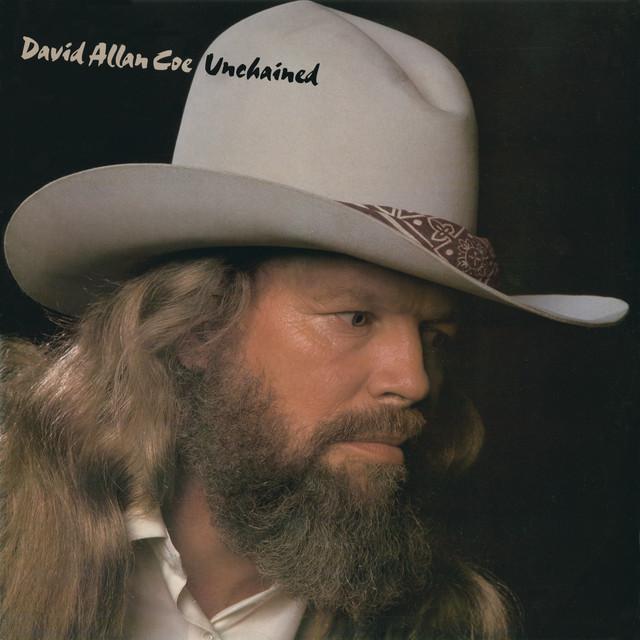
Ride 'Em Cowboy by David Allan Coe
The meaning of Ride 'Em Cowboy David Allan Coe centers on a hard truth: a person can give their whole life to a dream and still end up feeling left behind by time. In this song, the rodeo is not just a job. It is identity, pride, youth, and freedom. When age takes that life away, the singer is left asking who they are without it.
"Ride 'Em Cowboy" - David Allan Coe
It's the only life I'll ever know
I started in New Mexico
Loading lyrics...
Unable to load lyrics
We're unable to display the lyrics at this time. Please try again later.
David Allan Coe recorded the song for his 1983 album All American Cowboys. Factually, the song was written by Paul Davis, who first recorded it in 1974; that original version became a crossover hit, reaching No. 23 on the Billboard Hot 100 and No. 4 on Adult Contemporary, according to this Wikipedia entry. Coe’s version leans more fully into country storytelling, which helps the sadness land harder.
More Than a Rodeo Tune
On the surface, the song follows an aging rodeo rider looking back on a life on the road. They remember starting young, being admired, and making money by staying on dangerous horses. Now they are too old for that world, and the gap between past glory and present reality hurts.
That is why the opening idea matters so much. When the narrator says they have been traveling with the rodeo
, the song quickly tells listeners this life was never temporary. It was everything. The next idea, the only life I'll ever know
, turns the cowboy from a colorful character into someone trapped by their own history.
Interpretation: The song is really about aging out of an identity. The cowboy does not only miss the work. They miss the version of themselves that work created.
Watch the official Ride 'Em Cowboy
music video
The Chorus Turns Advice Into Tragedy
The chorus sounds simple and even encouraging at first. People used to tell the rider, ride 'em cowboy
and not let the horse throw them. In plain terms, that advice means keep control, stay tough, and do not fall because falling costs money and respect.
But the hook becomes sad because the song places that old advice in the present tense of memory. What once sounded like praise now sounds like a voice from a vanished world. The line about being the toughest cowboy in town
is not bragging in the current moment. It is an echo.
don't let 'em throw you down
can't make no money
if you hit the ground
Those lines show the song’s deeper message. In the rodeo, survival depends on staying upright. Outside the rodeo, the same rule becomes emotional: once life throws this person down, they do not know how to recover.
A Story About Time Winning
The verses build this loss carefully. First, the narrator remembers being one of the best. Then the song undercuts that pride by saying they now ride wild horses only in dreams. That detail is crucial because dreams are the one place where youth still works.
Next comes the line about there being no place left to go. The cowboy has spent years moving from town to town, but now motion no longer means purpose. They are still a traveler in spirit, yet the road no longer offers a future.
Later, the song adds even more pain through the horse named Midnight. Once, that horse represented the one challenge the rider could not beat. Now even Midnight has aged, becoming a faded attraction. The song pairs man and animal as mirrors: both were powerful once, and both have been reduced by time.
Rust, Dust, and Lost Applause
One of the strongest images is silver spurs are rusted now
. The song uses that object to show how fame fades. Spurs are tools, but they are also symbols of cowboy pride. If they are rusting, then the life attached to them is rusting too.
The mention of women who once admired the rider adds another layer. The narrator used to feel heroic in other people’s eyes. Now that attention is gone. The song suggests that public admiration can help build a person’s self-image, but it cannot last forever.
Interpretation: This is part of why the song feels so human. Many listeners may never ride in a rodeo, but they understand what it means to outlive a role that once gave them status.
Why Coe’s Version Feels So Lonesome
David Allan Coe was known for outlaw-country toughness, but he was also a strong interpreter of worn-down characters. On All American Cowboys, he places this song in a setting that values Western myth while also exposing its cost. That context matters.
Musically, the arrangement is classic country: steady rhythm, clean melody, and a direct vocal that keeps the story front and center. There is no need for flashy production because the emotional weight comes from the contrast between proud words and tired reality. Coe’s voice gives the narrator grit, which makes the regret believable.
Compared with Paul Davis’s original 1974 recording on the album Ride 'Em Cowboy, Coe’s take feels less soft-rock and more dust-covered country. That shift changes the song’s meaning slightly. Davis sounds reflective; Coe sounds like someone still carrying the ache in their body.
The Biggest Theme Hiding in Plain Sight
At its heart, the meaning of Ride 'Em Cowboy David Allan Coe is about what happens when a person’s purpose has an expiration date. Rodeo work is dangerous, physical, and short-lived. The song understands that such lives often end not with triumph, but with memory.
Still, it is not a cruel song. It respects the cowboy’s past. It never mocks their pride. Instead, it treats them as someone caught between dignity and obsolescence.
That balance is why the song lasts. It speaks to athletes, workers, veterans, performers, and anyone else who has wondered what remains after their best years pass. The rodeo setting gives the song color, but the feeling is universal.
Final Take Under the Arena Lights
In the end, this is a song about an old champion who cannot fully step away from the life that made them. The chorus remembers strength, while the verses admit loss. Together, they create a portrait of pride fading into loneliness.
That is the lasting power of "Ride 'Em Cowboy": it honors toughness while admitting that time wins anyway.
Disclaimer: This interpretation is based on the lyrics, recording context, and available song history. As with any art, listeners may hear different meanings in the song.








