
Rock and Roll Holiday by David Allan Coe
A Ghost Song Disguised as a Good-Time Tune
The meaning of Rock and Roll Holiday David Allan Coe comes from a strange mix of celebration and warning. On the surface, the song sounds loose and lively, almost like a backstage joke about getting to the next show. Under that, it imagines a meeting place for dead stars and tired musicians who have lived too fast.
"Rock and Roll Holiday" - David Allan Coe
Don't look at me like you want me to plead
My friends are dyin' to make rock and roll stand
Loading lyrics...
Unable to load lyrics
We're unable to display the lyrics at this time. Please try again later.
That double feeling matters. Coe is not just praising rock mythology. They also seem to be asking what that mythology costs. The song turns fame, death, and musical identity into one restless road story.
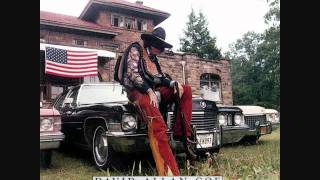
Watch the official Rock and Roll Holiday
music video
What the Lyrics Are Really Pointing Toward
The first verse opens with confrontation. The speaker sounds tired, defensive, and wary of people who want something from them. When the song says my friends are dyin'
, it quickly expands beyond one band or one scene. This is about a whole musical culture burning itself out.
Then the song shifts into named references: Marilyn Monroe, James Dean, Janis Joplin, and Jimi Hendrix. Those names are not random. They are American symbols of beauty, rebellion, talent, and early death. By bringing them together, Coe frames rock and roll as a world where glory and destruction often arrive together.
Interpretation: the title phrase rock and roll holiday
sounds playful, but it likely means an afterlife for cultural legends. It is a “holiday” only in the darkest sense: a getaway from earthly pressure, reached too soon.
The Chorus Turns Tribute Into Warning
The chorus says there is gonna be a rock and roll holiday
and that the musicians have to get there in time to play. That sounds comic at first, like the dead are still putting on shows. But the line lands with sadness, because “getting there” means joining the list of icons who did not survive fame.
The clearest warning arrives near the end:
Slow down come down
don't take a ride
on death's merry-go-round
This is the song’s moral center. After all the name-dropping and scene-setting, the message becomes simple: stop before the lifestyle kills you. Coe turns the myth of the doomed star inside out. Instead of making it look noble, they make it sound repetitive and stupid, like a carnival ride no one can control.
Country Meets Rock in One Uneasy Room
Another key part of the meaning of Rock and Roll Holiday David Allan Coe is genre tension. The lyric about being the only country band
at a rock show is funny, but it also says something real about Coe’s place in American music. They were a country artist with outlaw swagger, yet they were always brushing against rock attitude and rock audiences.
That fits Coe’s wider career. Their 1976 album Longhaired Redneck was released by Columbia and helped define their outsider image. According to the album’s documentation, it was produced during a period when Coe wrote or co-wrote all the songs and leaned hard into an identity that did not fit Nashville rules.
So when the lyric mentions tuning the fiddle and rosining the bow, it does more than paint a country picture. It shows country music stepping into rock’s haunted house, carrying its own tools, pride, and sound.
How the Sound Carries the Message
Even without full production notes for this exact track, the album context helps. Longhaired Redneck featured players such as Pete Drake, Buddy Spicher, Hargus “Pig” Robbins, and Charlie McCoy, plus strong Nashville session backing documented on the album page. That matters because the song’s imagery points directly to a hybrid arrangement: fiddle, bow, and likely a brisk country foundation mixed with rock-minded momentum.
That blend supports the lyric’s tension. Country instruments can make the song feel earthy and grounded, while the faster attitude and celebrity references pull it toward rock legend. Instead of choosing one side, the track lives in between.
Coe’s voice likely plays a big role too. Their delivery often carried both toughness and weariness. For a song like this, that balance would keep it from sounding sentimental. The singer does not seem shocked by death; they sound familiar with it.
Two Strong Ways to Read the Song
There are at least two solid readings.
Reading One: A dark tribute to dead stars
In this version, the song imagines an afterlife concert featuring cultural icons who died young. The appeal comes from the fantasy that the music never stops. The sadness comes from knowing why that fantasy exists.
Reading Two: A warning to the living
This reading is stronger because of the final refrain. The references to Monroe, Dean, Janis, and Jimi become examples, not just memorials. They are proof that the machine of fame keeps swallowing people.
Both readings work at once, which is why the song sticks. It smiles and winces in the same breath.
Why the Song Still Feels Sharp
What keeps this song interesting is not mystery. It is honesty. Coe sees the glamour of rock and roll, but they also see the body count. They admire the legends while refusing to pretend that self-destruction is romantic.
That makes the meaning of Rock and Roll Holiday David Allan Coe larger than a simple tribute song. It is about musicians living between applause and ruin, and about a country outsider staring straight at rock’s most dangerous myths.
Final Take
They turn famous names, touring life, and genre-crossing pride into a compact song about mortality. The result is catchy, strange, and darker than its title first suggests.
This article offers an interpretation based on the lyrics, album context, and documented career history; song meaning can remain open to other reasonable readings.







