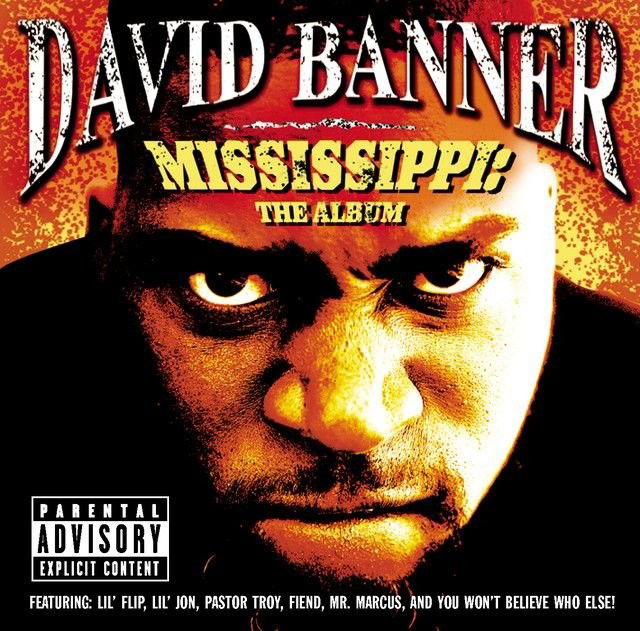
Cadillac On 22s by David Banner
The meaning of Cadillac On 22s David Banner comes down to a sharp contradiction: success looks bright, but life still feels heavy. On the surface, the song rides on Southern rap luxury—big cars, huge rims, polished status. Underneath, David Banner turns that image into a confession about guilt, faith, grief, and survival.
"Cadillac On 22s" - David Banner
It's gon' be aight though (ohh)
This one's for you, yeah!
Loading lyrics...
Unable to load lyrics
We're unable to display the lyrics at this time. Please try again later.
They are not simply celebrating a Cadillac. They are asking what it means to win when the soul still hurts.
A Southern anthem with a troubled heart
David Banner, born Lavell Crump, built his career as a key voice in Mississippi rap and Southern hip-hop, a fact reflected in standard artist biographies and discographies such as AllMusic and Britannica. That background matters because this song treats regional pride as both blessing and burden.
The chorus sounds triumphant at first. Banner centers the image of Cadillacs on 22s
, a classic symbol of Southern car culture, style, and having made it out. But they quickly pair that image with being spiritually grounded and loyal to home. When Banner says stayed true
, they frame success as something earned through authenticity, not just wealth.
Then the hook lands on prayer for Mississippi streets
. That line shifts the song away from bragging. The car is real, but so are the streets that shaped them.

Watch the official Cadillac On 22s
music video
Why the verses feel more like prayer than flex
The strongest part of the song is how often Banner speaks to God. Instead of hiding their flaws, they admit them. Early in the verse, they say God I know
more than once, which creates the rhythm of confession. They know the music can glamorize money, sex, and status. They also know younger listeners are paying attention.
That tension gives the song its emotional weight. Banner is aware that flashy symbols can reach people faster than moral lessons. In simple terms, they know that gleaming rims may grab attention better than a sermon. The track becomes a struggle between message and marketing, conscience and entertainment.
Interpretation: This is why the song feels unusually vulnerable for a radio-friendly rap single. Banner is not just defending their lifestyle. They are questioning it in real time.
The real story: grief, temptation, and pressure
Beyond faith, the lyrics are full of loss. Banner names family, friends, and absent people in a way that makes the song feel local and personal rather than abstract. These references suggest that behind public success sits a private list of wounds.
They also describe spiritual exhaustion. The song talks about demons, drugs, jail, and the fear that material gain may not protect anyone from deeper damage. Even when Banner admits that there is nothing inherently wrong with getting money, they also show that success does not quiet inner pain.
One of the song’s most revealing ideas is the fear that the body can be thriving while the spirit is collapsing. The luxury image shines, but the conscience keeps breaking through. In that sense, the car is less a reward than a moving symbol of conflict.
How the chorus reframes the whole song
The chorus matters because it sounds simple but carries the entire theme. It connects three ideas:
- personal truth,
- musical ambition,
- prayer for home.
Banner describes music-making in hustler language, using phrases about voice and beats as if art itself were part of the grind. That fits Southern rap tradition, where performance, entrepreneurship, and self-invention often overlap. But the prayer in the hook stops the song from becoming pure swagger.
Interpretation: Each return to the chorus feels less like celebration and more like self-reminding. Banner is trying to hold together pride and humility at once.
Cars, rims, and what they really symbolize
In this song, the Cadillac and 22-inch rims are not random props. They stand for visibility. They show who has escaped poverty, who has status, and who cannot be ignored.
But Banner gives that image a second meaning. The bigger the shine, the harder it becomes to hide spiritual conflict. The song suggests that material proof of success can sit right next to guilt, trauma, and doubt.
A key late image points toward faith and protection, ending with a brief nod to being carried through hardship. That moment reframes the car itself. The ride is not only self-made; it may also be evidence of grace.
How the production carries the message
Musically, the track leans on a slow-rolling Southern rap feel: heavy low end, a relaxed tempo, and a polished, cruising quality that matches the luxury-car imagery. Banner was widely recognized as both a rapper and producer, as noted in major music references like AllMusic. That matters because the beat is not separate from the meaning—it helps tell it.
The production glides. The lyrics ache. That contrast is the point.
The instrumental gives listeners the sensation of motion and status, while Banner’s voice adds strain, weariness, and prayer. The result is a song that can work in a car system and still feel intimate. It sounds public, but it thinks privately.
Why the song still stands out
What keeps this track memorable is its honesty. Many rap songs use luxury as proof of achievement. Banner uses it, too, but they refuse to stop there. They ask what achievement means when people back home are hurting and when faith keeps interrupting the party.
So, the meaning of Cadillac On 22s David Banner is not just about rims, pride, or regional style. It is about trying to stay real while carrying fame, grief, temptation, and responsibility. The song celebrates survival, but it never lets survival look simple.
Final takeaway
David Banner turns a classic Southern rap image into a spiritual and emotional self-portrait. The song shines on the outside, but its real subject is the fight to stay grounded, faithful, and honest under pressure.
Disclaimer: This interpretation is based on the song’s lyrics, performance, and publicly known artist context. As with any art, listeners may hear different meanings in the same lines.







