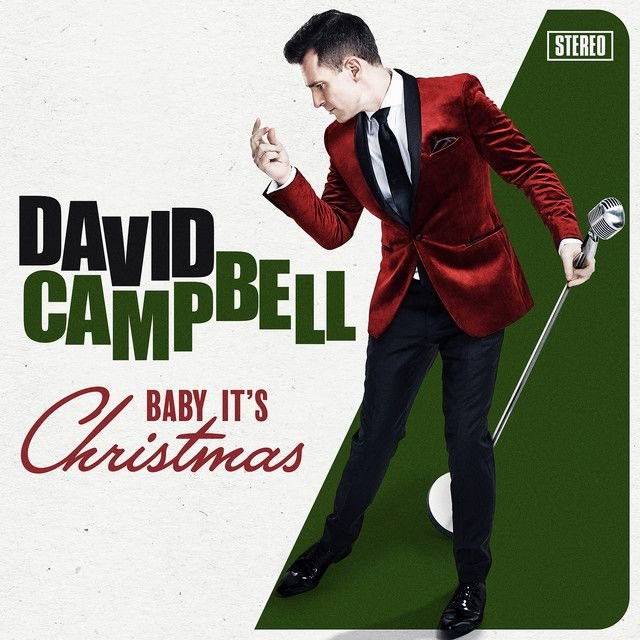
Why David Campbell’s Holiday Classic Still Glows
The meaning of It's the Most Wonderful Time of the Year David Campbell comes down to a simple idea: the holidays feel magical because people make them magical. The song does not tell a complex story. Instead, it builds a picture of Christmas as a season of reunion, ritual, and memory.
"It's the Most Wonderful Time of the Year" - David Campbell
With the kids jingle belling
And everyone telling you "be of good cheer"
Loading lyrics...
Unable to load lyrics
We're unable to display the lyrics at this time. Please try again later.
In David Campbell’s hands, that meaning becomes even clearer. Campbell is an Australian singer and stage performer with deep roots in swing, musical theatre, cabaret, and pop, and he released his first full Christmas album, Baby It’s Christmas, in 2018, according to widely cited career summaries and discography records. That background matters because this song works best when it is delivered with warmth, polish, and a sense of celebration.
A Chorus Built on Shared Feeling
The central message starts with the famous hook, most wonderful time
. Paraphrased, the song is saying that this part of the year stands above the rest because it brings people together. It is not making a logical argument. It is creating a feeling everyone is invited to join.
That matters because the lyrics speak in broad, communal images rather than private confession. There is no single dramatic event. Instead, the song lists familiar scenes: greetings, visits, gatherings, snow, old stories, and romance. Together, those details turn Christmas into a social space rather than just a date on the calendar.
Watch the official It's the Most Wonderful Time of the Year
music video
The Real Heart of the Lyrics
Joy Is Public, Not Private
One reason the song lasts is that its joy is collective. Phrases like be of good cheer
and friends come to call
show that the season is imagined as open and social. People are not isolated in these lyrics. They are welcomed into homes, parties, and traditions.
Interpretation: this is why the song often feels bigger than any one singer. Even when a solo artist performs it, the emotional point is communal. The “wonderful” quality of the season comes from shared customs and shared mood.
Nostalgia Gives the Song Depth
The song is not only cheerful. It also looks backward. When it mentions Christmases long, long ago
, it suggests that holiday meaning grows through memory. Each year is tied to earlier years, family stories, and old emotional habits.
That nostalgic turn keeps the song from sounding shallow. It is about the present, but it is also about continuity. Christmas becomes a bridge between childhood and adulthood, between those present now and those remembered.
Why the Odd Details Matter
One lyric often surprises listeners: the mention of scary ghost stories
. At first, that seems out of place in a bright holiday standard. But historically, winter celebrations have long included storytelling, folklore, and old fireside traditions. So the line widens the picture of Christmas beyond shopping and sweetness.
It suggests that the season holds mystery as well as comfort. Families gather not just to celebrate, but to retell the past. In that sense, the song understands Christmas as culture: songs, stories, habits, and repeated rituals.
How David Campbell’s Style Supports the Meaning
Campbell’s career helps explain why this song suits him. They are known for theatrical control, classic-pop phrasing, and a polished live presence, shaped by work in stage productions like Les Misérables, Sunset Boulevard, and Dream Lover, as well as by albums in swing and retro-pop styles. They have also been closely linked with holiday performance through Christmas recordings and regular involvement in carol events.
That kind of performer can make a standard like this feel lived-in rather than stiff. A singer with musical-theatre instincts understands that the song needs lift, pacing, and smile. It should sound inviting.
The Arrangement’s Job
In most versions of this standard, including performances in a classic holiday style, the arrangement usually does three things:
- It uses bright orchestration or big-band color to create instant festivity.
- It keeps the tempo moving, so the song feels energetic and social.
- It gives the vocalist room to sound reassuring rather than intimate or confessional.
Interpretation: if Campbell leans into brass, strings, or swinging rhythm, that production choice reinforces the song’s meaning. The sound says celebration before the words fully do.
There'll be parties for hosting
Marshmallows for toasting
Those lines, even in short form, show the song’s method. It stacks concrete holiday images until the listener can almost see the room, the food, and the people.
More Than Cheer: A Small Theory of Christmas
The song’s deeper claim is that joy can be built through repetition. The rituals matter because they return every year. Mistletoe, greetings, stories, and visits are not random decorations. They are social tools that help people reconnect.
That is why another key phrase, hearts will be glowing
, lands so well. It is not about literal light. It is an emotional shorthand for comfort, affection, and nearness. Christmas in this song is meaningful because it creates conditions where love becomes easier to express.
Final Take on the Meaning
So, what is the meaning of It's the Most Wonderful Time of the Year David Campbell? It is a celebration of Christmas as a season made sacred by human closeness. The song argues that joy lives in rituals, memory, and company.
David Campbell’s performance persona makes that message feel natural. Their background in swing, theatre, and holiday entertainment gives the song the warmth and sparkle it needs. What could be just a festive standard becomes, instead, a reminder that the best part of the season is being together.
Disclaimer: This interpretation is based on the lyrics, the song’s cultural history, and David Campbell’s public artistic style. Meaning can vary from listener to listener.









