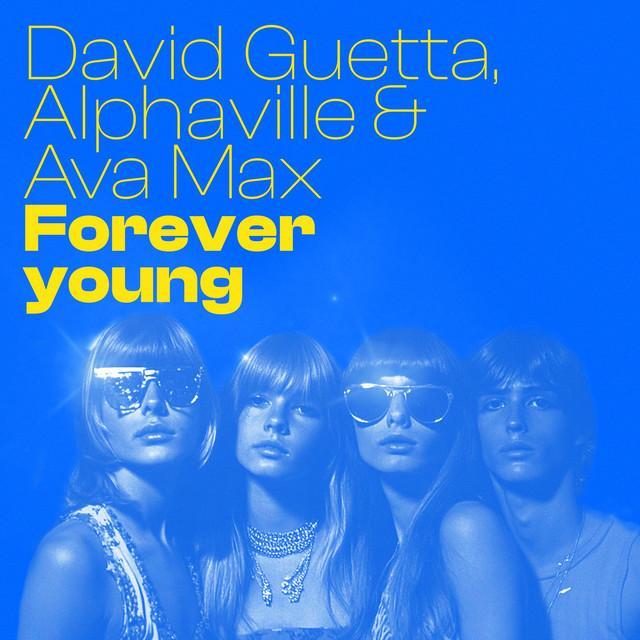
Why “Forever Young” Still Chases Time
The meaning of Forever Young David Guetta, Alphaville, Ava Max comes down to a simple but powerful wish: they want a moment of joy to last longer than real life allows. This version updates Alphaville’s classic idea for a modern dance-pop setting, but the emotional core stays the same. It is not just about age. It is about time, fear, desire, and the need to feel fully alive before the night ends.
"Forever Young" - David Guetta, Alphaville, Ava Max
I want to be forever young (I'm forever young)
Do you really want to live forever?
Loading lyrics...
Unable to load lyrics
We're unable to display the lyrics at this time. Please try again later.
A Classic Question in a New Pop Frame
This track connects three different pop worlds. Alphaville first released “Forever Young” in 1984 on Forever Young, and its chorus became one of the most durable hooks in synth-pop. David Guetta and Ava Max help bring that theme into a brighter, club-ready sound, where nostalgia meets present-tense energy.
Factually, the original song was written by Bernhard Lloyd, Frank Mertens, and Marian Gold. That matters because the remake keeps the old emotional DNA even while changing the mood. Instead of sounding haunted or uncertain, this version sounds urgent, glossy, and made for shared release.
What the Song Is Really Saying
At the center of the song is the repeated desire to be forever young
. In plain terms, they are not really asking to stop aging like a fantasy movie. They are asking to keep a feeling alive: freedom, love, excitement, and connection.
The key question live forever
makes the chorus deeper than a simple party line. It suggests that even happy moments carry anxiety. If joy feels fragile, then wanting it to last is also a way of admitting that it will end.
Interpretation: this is why the song feels both celebratory and a little sad. They chase the high because they know time keeps moving.
The Verse Turns Fear Into Action
The newer verse sharpens that idea by pushing against passivity. When the lyric says Don't leave to fate
, it rejects waiting around for life to happen. They want choice, touch, music, and movement now.
That leads into another important phrase, hold me tight
, which shifts the song from abstract dreaming to human closeness. Eternal youth here is not about looking young. It is about feeling safe, desired, and fully present with someone else.
There is also a strong refusal of endings. The song avoids goodbye language and reaches for one more shared experience, one more dance, one more rush. That is why the emotional engine is not denial alone. It is resistance. They know the night ends, but they still try to stretch it.
How the Chorus Changes the Meaning
The chorus is so repetitive that it can sound simple at first. But repetition is the point. Each return to forever and ever
feels less like certainty and more like a wish spoken into the dark.
Heaven can wait
I wanna dance one more time
Those lines pull the song toward the body and the present moment. Instead of dreaming about some distant perfect future, they choose music, motion, and closeness now.
Interpretation: the chorus works because it holds two opposite feelings at once. They want permanence, but they only have tonight.
Why the Sound Matters So Much
Production is a major part of the song’s meaning. Alphaville’s original recording used cold, elegant synth textures that gave the lyrics a distant, almost post-apocalyptic ache. In contrast, Guetta’s style leans toward big dynamics, clean drops, and emotional uplift, a sound heard across his official releases. Ava Max adds a sharp, high-contrast vocal that feels direct rather than dreamy.
That shift changes how listeners receive the message. In the older version, “forever young” can feel like a question asked in fear. In this newer pop-dance approach, it feels like a demand to seize the night. The beat does not erase the song’s sadness, but it makes that sadness danceable.
This is important for reception too. Songs about time and loss often become popular because they fit many life moments at once: parties, graduations, breakups, weddings, and late-night drives. A track like this survives because listeners can hear hope and heartbreak in the same hook.
Two Strong Readings of the Song
There are at least two useful ways to hear it:
- A live-now anthem. They refuse to waste the present. The song becomes a call to dance, love, and choose feeling over fear.
- A bittersweet song about aging. The surface is upbeat, but underneath is the old human truth that youth, love, and time do not stay still.
Both readings fit. That tension is the reason the song keeps returning across decades and genres.
The Lasting Meaning of “Forever Young”
The meaning of Forever Young David Guetta, Alphaville, Ava Max is less about immortality than intensity. They want one night, one connection, one emotional peak to outrun time. The song knows that cannot really happen, yet it keeps reaching anyway.
That is what gives it staying power. It turns a fear everyone shares into something singable, danceable, and strangely comforting.
Disclaimer: This interpretation mixes confirmed song context with informed critical reading. As with any pop song, listeners may connect with different meanings based on their own experiences.








