Why “Memories” Turns a Party Into Escape
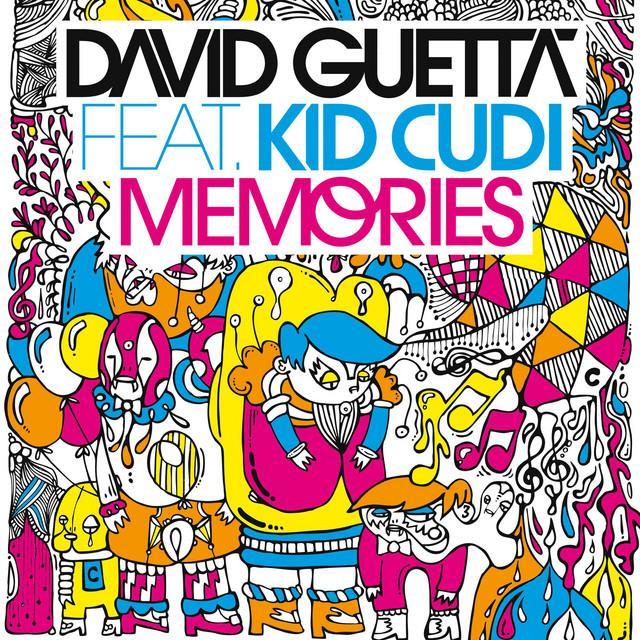
The meaning of Memories David Guetta, Kid Cudi comes down to a simple but relatable idea: sometimes people go out not just to have fun, but to forget pressure for a while. The song turns a late-night party into a kind of emotional release. It is bright, repetitive, and easy to sing along with, but underneath that surface is a small confession about needing relief.
"Memories" - David Guetta, Kid Cudi
Those will be the best memories
I just wanna let it go for the night
Loading lyrics...
Unable to load lyrics
We're unable to display the lyrics at this time. Please try again later.
Released on David Guetta’s One Love era, “Memories” helped show how EDM and hip-hop could meet in the middle. Guetta’s dance production and Kid Cudi’s cool, almost dreamy hook create a track that feels both celebratory and slightly distant.
The Core Message Hiding in Plain Sight
At its center, the song says that reckless fun can become something valuable later. The speaker looks at the night’s chaos and decides it will turn into best memories
. That idea matters because it transforms behavior that might look messy in the moment into a story worth keeping.
The song also links nightlife with emotional relief. When the voice says best therapy for me
, it frames the night as more than entertainment. They are not only dancing or staying out late. They are trying to shake off something heavy, even if only for a few hours.
All the crazy I did tonight
Those will be the best memories
That short hook carries the whole song. It suggests that release, risk, and noise can later feel meaningful because they marked a moment when someone stopped holding everything in.

Watch the official Memories
music video
A Night Out as Emotional Reset
The lyrics are extremely minimal, but that works in the song’s favor. Instead of telling a full story, they capture a single mindset. The repeated wish to let it go
points to someone dropping stress, responsibility, or overthinking for the night.
This is why the song feels bigger than a standard club chant. It is not just about drinking, dancing, or staying out. It is about giving themselves permission to stop worrying. In that sense, the night becomes a temporary reset button.
Interpretation: the song may reflect a very modern form of escape, where people know a party will not solve their problems, but still value the break it gives them. The word “therapy” should not be taken literally here. It sounds more like emotional shorthand for release.
Why the Repetition Matters So Much
One of the smartest things about “Memories” is how little it says. The lines repeat again and again, along with chants like hey, hey
and yeah, yeah
. That repetition mirrors the club itself: flashing lights, looping beats, and a feeling that time has stopped.
The line It’s gettin’ late
keeps returning, but the speaker does not care. That detail gives the song its tension. Time is moving forward, but they want to stay in the moment. The night is ending, yet they resist the return to normal life.
In other words, the repetition is not lazy writing. It is part of the meaning. The song wants listeners to feel trapped in a good way, inside one emotional loop where fun keeps postponing reality.
How David Guetta and Kid Cudi Split the Job
David Guetta was one of the major figures pushing dance music into U.S. pop during this period, especially through One Love and its run of crossover hits, as documented by major chart histories and label materials such as Billboard and Atlantic Records. Kid Cudi, meanwhile, brought a very different energy from rap at the time: introspective, melodic, and emotionally muted rather than loud or aggressive.
That contrast shapes the song’s meaning. Guetta builds the public space: a clean four-on-the-floor beat, bright synth pulses, and a steady groove built for group release. Cudi supplies the private feeling inside that crowd. His voice sounds casual, even sleepy, which keeps the song from feeling too triumphant.
Because of that, “Memories” lands in a sweet spot between anthem and confession. It is a club track that still hints at loneliness, burnout, or mental overload.
The Sound Makes the Theme Easy to Feel
Production matters a lot here. The beat is steady and uncluttered, almost mechanical, which gives listeners room to project themselves into it. The synths feel glossy and open, not dark or tense. That makes the escape sound inviting rather than destructive.
Kid Cudi’s vocal also helps sell the meaning. He does not attack the chorus with huge emotion. He glides through it. That light touch makes the idea feel believable: they are not having a dramatic breakdown. They are trying to float above their problems for one night.
Interpretation: this is why the song aged well for many listeners. It captures a common feeling in simple language: the hope that one great night can hold back stress until morning.
Final Take on the Meaning of “Memories”
The meaning of Memories David Guetta, Kid Cudi is not hard to hear, but it is easy to underestimate. On the surface, it celebrates staying out late and doing something wild. Underneath, it is about using joy, noise, and company as a temporary form of healing.
That is what gives the song its staying power. It understands that sometimes people do not want wisdom or closure. They just want one night that feels free enough to remember.
Disclaimer: This interpretation is based on the song’s lyrics, sound, and public artist context. Like most pop songs, “Memories” can support more than one valid reading.








