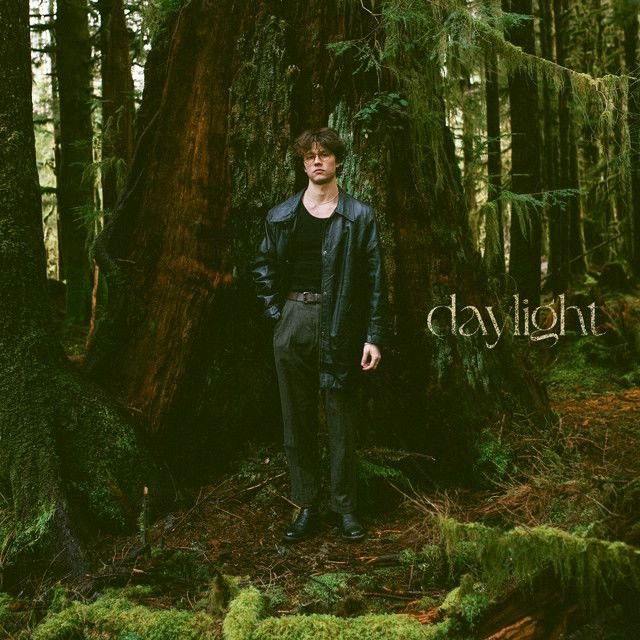
Daylight by David Kushner
They come to “Daylight” for the haunting sound, but stay for its inner conflict. The meaning of Daylight David Kushner centers on a person who both longs for and fears a dangerous desire, asking for mercy while hiding from truth. It’s a push-pull that listeners recognize in themselves.
"Daylight" - David Kushner
Oh, but I know that I won't care
Tryna wash away all the blood I've spilt
Loading lyrics...
Unable to load lyrics
We're unable to display the lyrics at this time. Please try again later.
Sin, Craving, and the Pull of Opposites
At its core, the song is about addiction to a harmful bond. The refrain’s admission—love it and I hate it
—captures that split. They know it’s toxic, yet the pull is strong.
Kushner has said he wanted to show a paradox of craving something that hurts you, using light/dark images and biblical ideas. He described aiming to convey a desire that is “harmful to oneself,” which the song frames through shame and longing. In this reading, the “daylight” is exposure and truth, while the shadows are secrecy and temptation.
Watch the official Daylight
music video
Who’s Speaking, and Who’s Being Addressed?
The narrator speaks in first person to two audiences at once: a lover and a higher power. Phrases like down on my knees
suggest prayer, while the confessing tone also speaks to a partner in the same spiral.
When they say follow your light
, it signals a wish to return to moral clarity. Yet the pull back to the dark remains. The voice is torn, ashamed, and still attached.
A Loop, Not a Straight Line: What Happens
The story unfolds as a cycle rather than a clean arc.
- Denial: They swear they won’t return, then admit they probably will.
- Relapse: The magnet of desire wins again; they share the same vice—
poison from the same vine
. - Guilt: They see
darkness in the distance
and feel consequences closing in. - Concealment: Instead of stopping, they keep
hiding all of our sins
, avoiding daylight. - Plea: They beg for forgiveness, asking for mercy, promising change that may not last.
The loop matches how many people experience temptation: recurring, shame-filled, and hard to break.
Symbols That Carry the Weight
- Daylight: truth, revelation, and accountability. It’s what the narrator avoids when consumed by desire.
- Darkness: secrecy, appetite, and self-sabotage. Seeing it “in the distance” implies they know where this road leads.
- Poisoned vine: a shared habit or relationship that harms both people—hence the communal “we.”
- Knees/light: religious posture and imagery that frame the song’s moral struggle. The narrator asks for grace but doubts their own strength.
These motifs resonate with Kushner’s stated inspiration in Scripture and moral conflict, especially teachings about resisting evil and choosing the light.
How the Sound Deepens the Story
“Daylight” is an orchestral, gothic pop ballad shaped by producer Rob Kirwan. Piano anchors the verses, while low baritone vocals give the confession weight. Subtle drums, synth swells, and guitar add size without speeding the tempo. The arrangement feels like a slow walk into a spotlight you don’t want to face.
The chorus lifts just enough to feel addictive—familiar, chant-like, and looping—mirroring the cycle in the lyrics. As the harmonies stack, the song’s world grows darker and more cinematic, which fits the moral stakes.
Context: Release, Reception, and Reach
Released April 14, 2023, as the lead single for Kushner’s debut album The Dichotomy (2024), “Daylight” found a massive audience on social platforms and radio. It went viral on TikTok, then crossed over to charts around the world. In the United States, it reached No. 33 on the Billboard Hot 100. In the UK, it rose to No. 2, with multiple No. 1 peaks across Europe and Oceania. Those numbers reflect how its theme—wanting what harms you—travels across cultures.
The personnel support its clarity: Kirwan on production and programming; piano from Hayden Hubers; guitar by Rick Hornby; and Jacob Morris on mastering and mixing. The writing credits include David Kushner, Hayden Hubers, Jeremy Fedryk, Josh Bruce Williams, Edison Boon Eason, and Drake Jon Livingston Jr.
Two Lenses That Both Fit
- Interpretation: A toxic romance. The conflict comes from a relationship that both parties can’t quit, hence the shared poison and the need to keep secrets from “daylight.”
- Interpretation: An addiction or compulsive habit. The lover could be a stand-in for a substance or behavior. Prayer, guilt, and relapse map cleanly onto recovery cycles.
Both readings work because the song keeps specifics vague, leaving room for personal stories.
Takeaway: Why It Hits
The meaning of Daylight David Kushner is the ache of contradiction: loving a thing that is ruining you, and wishing, sincerely, to stop. By pairing devotional language with brooding pop, the song turns a private confession into something listeners can sing together.
Disclaimer: Interpretation is subjective. This analysis reflects one informed reading based on the recording, lyrics, credits, and public statements.








