Why ‘Everything’s Gonna Be Alright’ Still Comforts
A simple country song with a big job
The meaning of Everything's Gonna Be Alright David Lee Murphy, Kenny Chesney starts with a very ordinary scene: a person feeling worn down, stopping for a drink, and hearing a small message that changes their mood. That simplicity is the point. The song does not promise that life is easy. It says that panic is not the answer.
"Everything's Gonna Be Alright" - David Lee Murphy, Kenny Chesney
I said "yes m'am", fill her up
Tell me something good that I don't know
Loading lyrics...
Unable to load lyrics
We're unable to display the lyrics at this time. Please try again later.
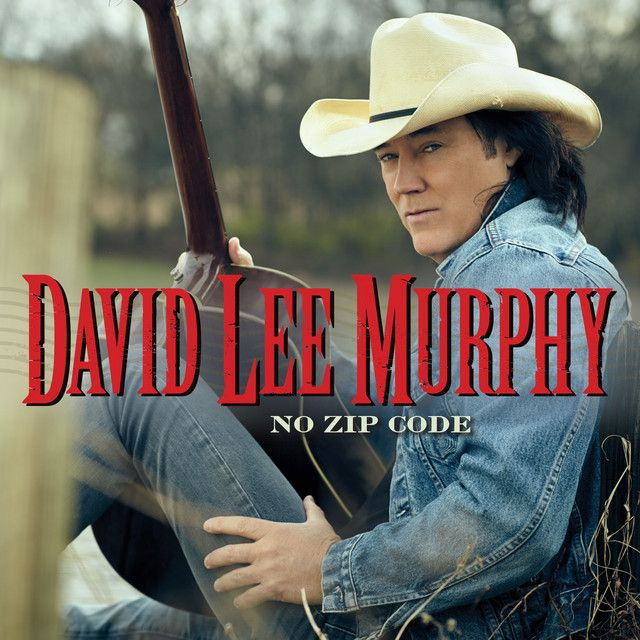
Released in 2017 as the lead single from No Zip Code, the duet became David Lee Murphy’s first No. 1 hit since “Dust on the Bottle” and later won the CMA Award for Musical Event of the Year, according to reporting from American Songwriter. Those facts matter because they show how strongly listeners connected with its message.
At its heart, this is a song about emotional reset. A bad stretch of life feels heavy, but a voice, a room, and a reminder help the narrator step back from the edge.

Watch the official Everything's Gonna Be Alright
music video
The story begins in a low place
The first verse sketches stress with sharp, casual detail. The narrator admits life has been rough and says the world has been kicking them around. Then a woman behind the bar points to a sign on the wall. That tiny act becomes the turning point.
This is why the song works so well. It does not use a grand speech. It uses a barroom setting, a plastic cup, and a line anybody might need to hear after a long week.
How the verse leads to the chorus
Before the hook arrives, the song gives listeners a believable emotional problem. The narrator feels stuck and beaten down. Then the sign offers a plain answer: Everything's gonna be alright
.
That phrase is not deep poetry, but it is emotionally direct. In country music, that kind of honesty often lands harder than something more fancy.
What the chorus really means
The chorus is more than positive thinking. It pushes against spiraling fear. When the song says panic button
, it turns anxiety into a vivid, modern image. The message is not “ignore your problems.” It is “do not let fear take over before you even know the outcome.”
That is why another short line matters too: nobody's gotta worry 'bout nothing
. In plain language, the song is asking for surrender, not control. It suggests that some burdens get lighter when people stop feeding them.
There ain't no doubt
it's gonna work out
This brief moment turns the song from private comfort into group reassurance. It becomes sing-along therapy. Instead of one person talking themselves down, everybody in the room joins the belief.
The bar sign as a symbol
The sign on the wall is the song’s key symbol. On the surface, it is just décor. On a deeper level, it acts like borrowed wisdom. The narrator cannot find hope alone, so they receive it from outside themselves.
That matters because the song never pretends people are self-sufficient all the time. Help can come from a stranger, a room, a routine, or even a sentence seen at the right moment. The bar itself becomes a place of release rather than escape.
Another strong image is the line about the monkey
on the narrator’s back. In context, it stands for pressure, worry, or whatever burden has been following them around. When it “jumps off,” the song captures that sudden feeling when stress lifts, even if the real-world problem has not fully disappeared.
Why Kenny Chesney changes the feel
Artist context adds a lot here. David Lee Murphy co-wrote the song with Chris Stevens and Jimmy Yeary, and Murphy later said the song was especially meaningful because Kenny Chesney sang on it. In the same American Songwriter piece, Murphy said people wrote to him about playing the song during illness and hard times, including children at St. Jude.
That reception supports the song’s real-world meaning: listeners did not just hear a catchy chorus; many used it as comfort.
Chesney’s role also matters musically. Murphy praised his phrasing and said he “connects” and “interprets” songs rather than simply singing them, as quoted by American Songwriter. That shows up in the duet’s tone. Murphy brings warmth and plainspoken ease. Chesney adds lift and communal energy. Together, they make reassurance sound earned, not forced.
How the production carries the message
The arrangement is bright and relaxed, built in a midtempo country style with clean rhythm, easy percussion, and a laid-back groove. Nothing in the production sounds frantic. That is important. The music practices what the lyric preaches.
The neon-bar atmosphere also matches the song’s emotional arc. It feels social, local, and familiar. Even when the narrator starts low, the instrumental mood says they are already in a place where they might recover.
Interpretation: the repeated chorus works almost like a breathing exercise. By the end, the song does not argue its point; it gently repeats it until it starts to feel true.
A hopeful song, not a naive one
One possible reading is that the track is about faith, even though it never gets overly religious. Another is that it is about community healing: sometimes people need others to hold hope for them until they can hold it themselves.
Both readings fit the lyric. The song recognizes hardship first, then offers calm. That order is why it does not sound fake.
In the end, the meaning of Everything's Gonna Be Alright David Lee Murphy, Kenny Chesney is simple but durable: when life feels bigger than they can handle, people may not need a perfect answer. They may just need a voice that helps them breathe, wait, and believe the storm will pass.
Disclaimer: This interpretation blends lyric analysis, artist comments, and public reception. As with any song, listeners may hear meanings that are personal and equally valid.









