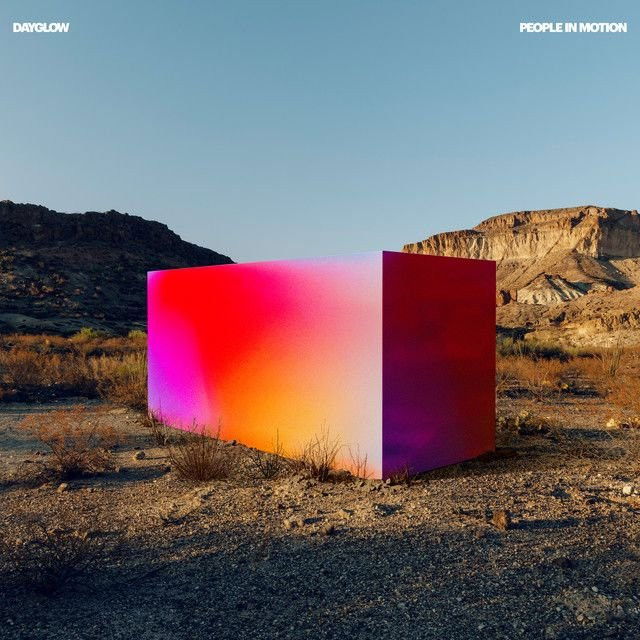
Second Nature by Dayglow
They call it a love song, but Second Nature moves like a thesis. The narrator insists their feeling isn’t learned or practiced. It’s immediate, embodied, and rhythmic—more heartbeat than habit. For listeners looking up the meaning of Second Nature Dayglow, this track frames love as a first principle and uses music to explain why it sticks.
"Second Nature" - Dayglow
Feeling like myself and now I'm dancing
Feeling so unstoppable, I know these things are
Loading lyrics...
Unable to load lyrics
We're unable to display the lyrics at this time. Please try again later.
A First Love Disguised as a Groove
Second Nature flips the phrase “second nature” on its head. Instead of love becoming automatic over time, the singer claims it already lives inside them. The hook puts it plainly with This isn’t second nature love
. Right away, the song argues this isn’t comfort-by-repetition; it’s recognition.
They feel the rush as presence in the body—dancing, motion, breath. A line like feeling so unstoppable
ties emotion to movement. The love doesn’t need proof or practice. It arrives whole, as if the person (or the music) simply activates what was always there.

Watch the official Second Nature
music video
Who’s Talking, and to Whom?
The voice is first-person and direct, speaking to a you who “reminds” them of something already alive. The narrator also talks to music itself, asking it to guide them: sweet music
. That ambivalence is key to the song’s charm. They could be addressing a partner, music, or both at once.
Interpretation: The addressee works as a mirror. When the narrator sees and hears them, they recognize their best self. That’s why they stress it’s the first thing that comes
—not a routine, but a core identity snapping into focus.
How the Story Unfolds in Motion
- Spark: Dancing triggers self-recognition. The feeling shows up in real time, not as an idea but as a physical yes.
- Doubt and omen: The narrator admits they’ve chased this before “only just to find it in an omen,” hinting at false starts or fleeting highs.
- Reframing: Instead of folding, they lean on fate and rhythm—“meant to be” thinking resets the mood.
- Continuity: The sensation becomes constant background music:
I hear it like a song
. It’s a state they re-enter whenever the connection clicks.
By laying the plot on a dancefloor, the song keeps the stakes simple and visceral. The story is less about events and more about returning to flow.
Why the Chorus Hits So Hard
The chorus resolves the tension between habit and instinct. With This isn’t second nature love
, the singer refuses the idea that love is learned muscle memory. The follow-up line, the rhythm keeps on repeating
, reframes repetition as joy, not boredom. Interpretation: Repetition isn’t routine; it’s resonance. What repeats is what feels right.
This is also where the primary keyword lands for curious listeners: the meaning of Second Nature Dayglow centers on that twist—love as first nature, then affirmed again and again by rhythm.
Sound Choices That Mirror the Feeling
Dayglow’s palette—shimmering synths, tight bass, and a buoyant, danceable pulse—turns philosophy into pop. The track is bright and aerodynamic, with clean guitar glints and glossy keys that suggest motion without rush. Vocals sit up front but remain warm and unforced, as if the singer is smiling while he sings.
Sloan Christian Struble, the mind behind Dayglow, is known for writing and producing his music in a sleek indie-pop and synth-pop style. On the 2022 album People in Motion, where Second Nature opens the tracklist, he leans into groove-forward arrangements that keep bodies and ideas moving. The sound here isn’t just backdrop; it’s the argument. If love is “first nature,” the beat proves it by making listeners move before they can think.
Two Readings, One Beat
Interpretation 1: A love song to a person. The addressee “sings” to the narrator, and their presence surfaces what’s already true. The refrain’s insistence is a boundary against cynicism: this connection is not convenience or habit.
Interpretation 2: A love song to music. When the narrator asks sweet music
to “show me what to do,” it sounds like a creator talking to their craft. The idea that the feeling existed “before I ever knew you” could mean music has always been there, waiting to be noticed. For an artist who writes and produces their own work, this double-meaning fits naturally.
Both readings agree on one thing: the feeling is innate, and the dancefloor is the lab where it’s proven. That’s why the chorus can repeat without wearing out its welcome. It’s not redundancy—it’s pulse.
Takeaway: What Sticks After the Fade
Second Nature argues that the truest loves—romantic or artistic—don’t have to be learned. They’re already living inside us, and rhythm brings them out. For anyone searching the meaning of Second Nature Dayglow, the answer is right in the hook: this isn’t practice. It’s presence.
Disclaimer: Song meanings are subjective and reflect one interpretation based on lyrics, sound, and available context.








