Why 'Sonic Reducer' Still Hits So Hard
The meaning of Sonic Reducer Dead Boys starts with a voice that feels cut off from the world and then turns that isolation into a weapon. It is one of punk’s clearest self-portraits: a speaker who is angry, detached, theatrical, and desperate to be more than ordinary.
"Sonic Reducer" - Dead Boys
Don't need no mom and dad
Don't need no pretty face
Loading lyrics...
Unable to load lyrics
We're unable to display the lyrics at this time. Please try again later.
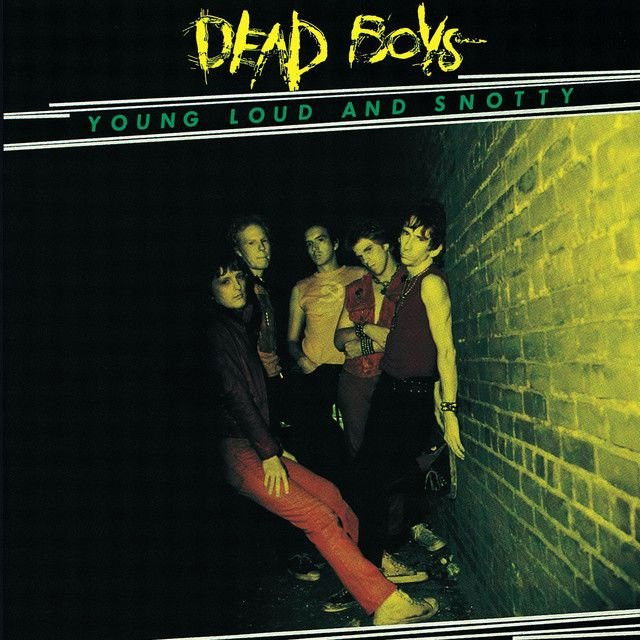
Originally written by Cheetah Chrome and David Thomas in the Rocket from the Tombs orbit, the song reached most listeners through Dead Boys’ 1977 debut Young, Loud and Snotty, produced by Genya Ravan and recorded at Electric Lady Studios in New York City. It was later issued as a single on Sire in 1977, according to contemporary discography details summarized by Wikipedia. Even with punk’s huge catalog, this track is still widely treated as a classic.
The real engine of the song
At a basic level, the song presents someone refusing every normal source of belonging. They push away parents, beauty, and even the broader human crowd. The point is not simple rebellion for style. It sounds more like they believe the social world has already failed them, so they answer by rejecting it first.
That is why the opening has such force. When the speaker says don't need anyone
, they are not calmly announcing independence. They are performing emotional armor. Interpretation: the line suggests a person trying to protect a wounded self by sounding invincible.
Watch the official Sonic Reducer
music video
A machine-made self in a human world
The song’s central image is not a lover, city, or memory. It is a device. The speaker claims a devil machine
and an electronic dream
. In plain terms, they replace ordinary human connection with sound, machinery, and fantasy.
That move matters. Punk often strips life down to raw nerve, but this song also imagines a new identity built through technology and noise. The machine is not just gear. It is a shield, a costume, and a power source.
What “sonic reducer” likely suggests
The phrase sonic reducer
does not have one fixed literal meaning. In the song, it feels like a chosen alter ego. The speaker becomes something louder and harder than a regular person.
Interpretation: “reducer” may sound destructive on purpose. They reduce the world around them by drowning it out, simplifying it into volume, attitude, and force. Instead of being reduced by society, they become the one doing the reducing.
Watching the crowd from the outside
One of the song’s strongest ideas is social separation. The speaker watches people on the street and feels unknown to them. That is a common punk stance, but here it is not passive. They stand apart and judge the crowd at the same time.
When they insist not just anyone
, they reveal the real emotional conflict. They do not merely want distance; they want recognition. They want the world to know that they matter.
This tension gives the song its bite:
- they reject society
- they still want power over it
- they feel invisible
- they answer with mythic self-importance
That last point becomes crucial in the final verse.
The pharaoh fantasy and the song’s big exaggeration
Near the end, the song jumps from street-level alienation to grand fantasy. The speaker imagines becoming huge, royal, and untouchable. They are no longer just a misfit in a city. They are almost a god-king.
I'll be a pharaoh soon
Rule from some golden tomb
This is the article’s only multi-line lyric quote, and it shows how the song turns insecurity into absurd scale. The fantasy is so overblown that it feels both serious and self-aware.
Interpretation: this moment may be read as teenage delusion, punk theater, or a real hunger for control. Most likely, it is all three at once. The speaker cannot win social approval, so they imagine total domination instead.
How the sound carries the meaning
The music explains why the song became so enduring. Dead Boys play it with blunt momentum: hard-charging drums, jagged guitar lines, and a riff that feels both catchy and abrasive. Genya Ravan’s production does not smooth out the danger; it keeps the attack direct, which suits the lyric’s emotional rawness.
Stiv Bators’ vocal also matters. He does not sound polished or reflective. He sounds like someone forcing a self into existence in real time. That delivery makes the chorus feel less like a slogan and more like a dare.
In that sense, the song’s sound and subject are inseparable. The noisy arrangement is the speaker’s identity. They do not explain themselves through reason. They explain themselves through impact.
Why the song stayed important
Part of the meaning of Sonic Reducer Dead Boys is historical. It captures an early punk idea with unusual clarity: if the world offers no place, they will invent one through noise, speed, and attitude. That helps explain why so many later acts covered it, from Guns N’ Roses to Pearl Jam, as noted in summary form by Wikipedia.
Its legacy is not just in influence. It is in how well it dramatizes the psychology of outsider culture. The song understands that rebellion is often mixed with pain, fantasy, and self-creation.
Final takeaway
So what is “Sonic Reducer” really saying? It is about a person who feels unseen and answers by becoming a loud, exaggerated version of the self. They reject dependence, build an identity out of sound, and dream of rising above the crowd.
That is why the track still lands. It is not only a punk anthem. It is a portrait of alienation turning into performance, and performance turning into power.
Disclaimer: This interpretation separates documented facts from critical reading. Like many great punk songs, “Sonic Reducer” remains open to more than one meaning.







