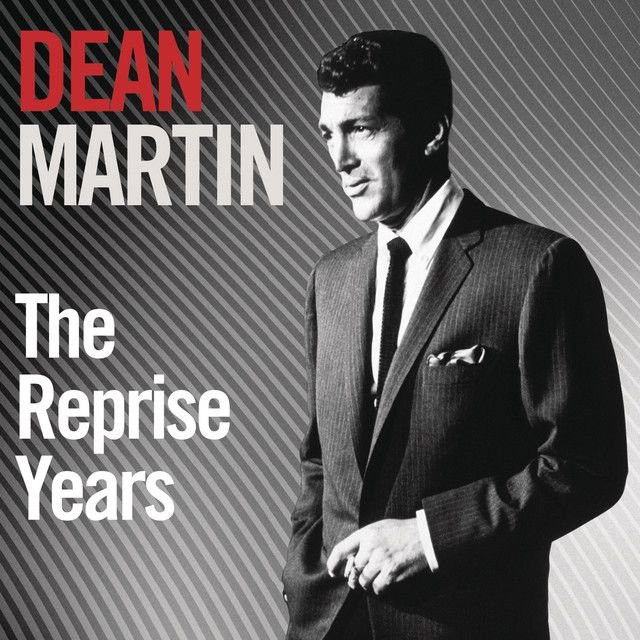
Why "Blue Moon" by Dean Martin Still Feels Magic
The meaning of Blue Moon Dean Martin comes down to a simple but powerful change: a person begins in deep loneliness and ends in wonder after love finally arrives. It is one of pop music's cleanest emotional arcs. In just a few lines, the song moves from emptiness to connection, and Dean Martin's easy, warm delivery makes that shift feel natural rather than dramatic.
"Blue Moon" - Dean Martin
Without a dream in my heart
Without a love of my own
Loading lyrics...
Unable to load lyrics
We're unable to display the lyrics at this time. Please try again later.
Though many listeners connect the song strongly with Martin, "Blue Moon" is older than his recording. It was written by Lorenz Hart and Richard Rodgers in 1934 and became a standard covered by many major artists, from Ella Fitzgerald to Elvis Presley and the Marcels, whose 1961 version hit No. 1 on both the U.S. pop and R&B charts, according to Wikipedia's song history. That long life matters because Martin's version enters a tradition of romance, but he gives it a relaxed nightclub glow.
A Lonely Scene Lit by the Sky
At the start, the singer stands emotionally exposed. The opening image is stark: standing alone
, with no real hope and no partner to love. Before any romance appears, the song lets the listener sit inside that emptiness.
This is why the moon matters. It is not just part of the scenery. The moon acts like a witness, almost a silent companion, seeing the singer at their lowest point. When the lyric addresses Blue moon
, it turns the sky into something personal. Loneliness is so intense that even nature seems to understand it.
Interpretation: the phrase "blue moon" suggests sadness, rarity, and distance all at once. The singer is not merely alone for one night; they feel cut off from the life they want.
Watch the official Blue Moon
music video
The Prayer at the Center of the Song
The next emotional step is small but important: the lonely figure is not passive. They are hoping. The lyric mentions saying a prayer
for someone they can truly care for. That detail keeps the song from becoming purely tragic.
Instead, it becomes a wish song. They are asking for love, not demanding it. That humility gives the song much of its tenderness. It also fits Hart's writing style, which often balanced plain speech with aching vulnerability.
There is useful background here. The melody went through several earlier lyric versions in Hollywood before reaching the final form. Rodgers later recalled that one early idea involved a prayer scene for a film project at MGM, a detail preserved in the song's documented history on the Songwriters Hall of Fame. That origin helps explain why prayer remains such an important image in the finished song. Even in its final romantic form, the song still feels like a plea sent upward.
When the Song Turns From Blue to Gold
The heart of the song is the sudden arrival of love. There is no long courtship story, no detailed description of the other person. Instead, the change feels instant, almost dreamlike.
the moon had turned to gold
and the lonely world changed at once.
That short moment captures the song's entire meaning. Gold replaces blue. Sadness becomes warmth. The same moon remains overhead, but the singer's inner life has changed, so the world itself looks different.
This is one reason the song has lasted so long. It presents love not just as companionship, but as transformation. The person does not merely gain a date or a partner. They regain meaning. The world becomes brighter because they no longer have to face it alone.
Dean Martin's Voice Sells the Feeling
Dean Martin's gift was understatement. He rarely sounded like he was straining to prove emotion. Instead, his voice floated with calm confidence, a style that fit mid-century vocal pop perfectly.
That matters for "Blue Moon." A more dramatic singer might make the song sound desperate in the first half and overly grand in the second. Martin avoids both extremes. He keeps the ache soft and the joy smooth. Because of that, the song feels believable.
How the arrangement supports the lyric
The production style usually associated with Martin's classic pop recordings favors:
- gentle orchestral backing
- slow, steady tempo
- rich harmonic support
- space for the vocal line to lead
Those elements help frame the song as intimate and elegant. The orchestra does not crowd the lyric. It cushions it. The result is a sound that mirrors the theme: loneliness is present, but it is already being held by beauty.
A Standard About Fate, Not Just Romance
On the surface, the meaning of Blue Moon Dean Martin is about finding love after isolation. But the song also hints at fate. The moon seems to know what the singer needs before the singer receives it. The universe feels strangely attentive.
That is why the lyrics can seem almost supernatural. The beloved appears with little warning, and the moment lands like answered destiny rather than ordinary luck. In a short space, the song makes romance feel cosmic.
Interpretation: some listeners may hear the song as less about one specific person and more about the human need to believe that loneliness can end suddenly. It offers reassurance that a life can change in one encounter.
Why It Still Connects Today
Modern love songs often explain everything. "Blue Moon" does the opposite. It stays simple, and that simplicity is its strength. Nearly anyone can understand the feeling of having no longer alone
become the turning point of a life.
Dean Martin's version especially endures because he sounds unhurried, charming, and sincere. He makes old-fashioned romance feel easy to trust. The song does not argue for love; it glows with gratitude after love arrives.
The Lasting Takeaway
In the end, "Blue Moon" is about a lonely person whose hope is answered. Its central images—night, prayer, and a sky changing color—turn private emotion into something universal. Dean Martin's reading keeps that message graceful: love does not just fill an empty space. It changes how the whole world looks.
Disclaimer: This article offers interpretation based on the lyrics, songwriting history, and performance context. Meaning can vary from listener to listener.







