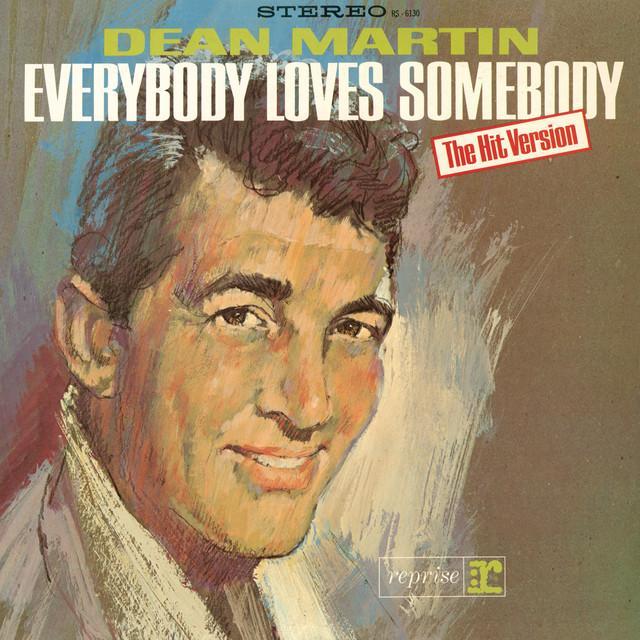
Why "Everybody Loves Somebody" Still Works
The meaning of Everybody Loves Somebody Dean Martin comes down to a simple promise: love may arrive late, but when it does, it can make the waiting feel worthwhile. That idea is why the song has lasted for decades. It sounds easygoing on the surface, yet it carries a strong emotional payoff.
"Everybody Loves Somebody" - Dean Martin
Everybody falls in love somehow
Something in your kiss just told me
Loading lyrics...
Unable to load lyrics
We're unable to display the lyrics at this time. Please try again later.
Dean Martin’s 1964 recording became the definitive version of the song, even though it had been written in the 1940s and recorded earlier by others. According to available chart history, Martin’s single reached No. 1 on the Billboard Hot 100 in August 1964 and became one of his signature songs. It was later inducted into the Grammy Hall of Fame. Those facts help explain why listeners still return to it: the record feels timeless, but it also arrived at a major cultural moment.
A Love Song Built on Patience
At its core, the song starts with a broad claim about human experience. The opening idea, paraphrased, is that nearly everyone falls in love eventually. That universal framing matters because it makes the singer sound less boastful and more hopeful.
When the lyric moves to everybody loves somebody sometime
, it is not just stating a cliché. It sets up the song’s real turn: this general belief suddenly becomes personal. The singer is no longer talking about people in general. They have found the person who proves the rule true.
That is why the next emotional step matters so much. Short phrases like my sometime is now
and my someplace is here
turn abstract hope into a present-tense realization. The song is about recognition. Love is not described as a slow mystery; it lands with instant clarity.

Watch the official Everybody Loves Somebody
music video
From General Truth to Personal Discovery
One of the smartest parts of the writing is how it narrows focus. First, the singer talks about love as a common fate. Then, one kiss and one emotional signal make it immediate.
This shift gives the song a clear timeline:
- They believe love comes to everyone.
- They sense it arriving through one powerful moment.
- They realize the long wait is over.
- They celebrate the person who made it worthwhile.
That movement is why the song feels satisfying. It does not linger in heartbreak or confusion. Instead, it captures the instant when uncertainty becomes certainty.
The Chorus Turns Hope Into Gratitude
The chorus is not only catchy; it changes the song’s emotional weight. By the time listeners reach the closing thought, the singer admits the dream was delayed. The phrase dream was overdue
suggests a person who may have waited longer than expected.
That detail keeps the song from sounding shallow. Love here is not luck without context. It is fulfillment after delay. The final emotional point is gratitude, summed up in worth waiting
. Instead of complaining about lost time, the singer decides that the right person redeems it.
Interpretation: This is what gives the song its enduring comfort. It tells listeners that lateness does not equal failure. In romantic terms, the song argues that timing can feel painful until the right connection finally makes sense of it.
What the Imagery Really Does
The lyrics use very little complex imagery, and that simplicity is part of the song’s strength. There are no elaborate scenes or poetic symbols. Instead, the song relies on a few basic ideas:
- Time: someday, sometime, overdue
- Place: someplace, here
- Physical closeness: kiss, arms, charm
These motifs make the message easy to grasp. Time and place begin vague, then become specific. That pattern mirrors the emotional journey. Love is first imagined as something out in the world, then experienced as something directly in front of the singer.
The bridge also expands the feeling into fantasy. The singer says that if they had the power, they would give everyone the same charm they see in this person. Paraphrased, it is an exaggerated compliment, but it reveals real awe. They are not merely happy; they feel they have found an ideal.
Why Dean Martin’s Performance Sells the Meaning
The song would not mean as much without Martin’s delivery. Historical accounts note that an early 1964 session yielded a quieter small-combo arrangement before the song was re-recorded with full orchestra and chorus for the hit single. That fuller version is the one most listeners know.
The production supports the lyric in several ways:
- Smooth orchestration gives the song a polished, almost inevitable feeling.
- A steady mid-tempo pulse keeps it warm and unhurried.
- Martin’s relaxed vocal style makes the discovery of love sound natural, not melodramatic.
That matters because the song is not about desperate longing. It is about calm certainty. Martin sings as if they already know the ending will be good. That confidence is a big reason the record connected in 1964, even during the British Invasion. In fact, it famously knocked The Beatles’ A Hard Day’s Night from No. 1, a sign that traditional pop still had emotional power with American listeners.
A Comeback Song With Extra Meaning
The song’s cultural role deepens its interpretation. Martin had not had a Top 40 hit in several years before this single, and its success helped reestablish him as a major pop presence. Because of that context, the lyric about waiting and reward almost mirrors his career at that moment.
Interpretation: Some listeners may hear a second story inside the romance. Beyond the love song, it can sound like a statement that good things arrive after dry spells, both in life and in art.
Why the Song Still Feels True
The meaning of Everybody Loves Somebody Dean Martin lasts because it offers reassurance without overcomplicating its message. It says love is universal, but also deeply personal. It says timing may disappoint, but the right person can change how the past feels.
That is a modest message, yet it lands because the song delivers it with elegance, warmth, and absolute confidence.
Disclaimer: This interpretation blends documented song history with informed critical reading. As with any classic standard, listeners may connect with its meaning in different ways.








