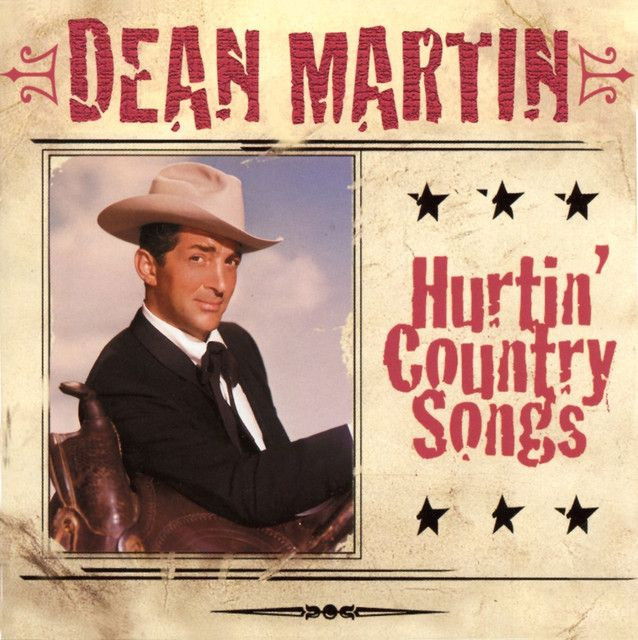
Gentle on My Mind by Dean Martin
Why This Song Still Lingers
The meaning of Gentle on My Mind Dean Martin starts with a simple idea: love can stay alive in memory without turning into ownership. The song is not about a couple building a home together. Instead, it is about someone who keeps traveling through life while holding on to the thought of a person who remains emotionally present.
"Gentle on My Mind" - Dean Martin
That makes me tend to leave my sleeping bag rolled up and stashed behind your couch
And it's knowing I'm not shackled by forgotten words and bonds
Loading lyrics...
Unable to load lyrics
We're unable to display the lyrics at this time. Please try again later.
That mix of freedom and attachment is what gives the song its lasting pull. The narrator seems restless, even rootless, yet never fully alone. The loved one is not physically there, but they remain gentle on my mind
, which suggests comfort rather than pain.

Watch the official Gentle on My Mind
music video
A Love That Does Not Demand
One of the song’s smartest moves is that it rejects the usual love-song language of duty and permanence. Early on, it describes an open door and a path that is free, then hints at a sleeping bag left behind. The image suggests a place of welcome, not a trap.
The song also pushes back against obligation. It mentions not being bound by old promises or social pressure. In plain terms, the narrator values a connection that does not depend on legal ties, public approval, or guilt. That is why the song feels modern even decades later.
Interpretation: This is less a breakup song than a song about emotional independence. The speaker may have left, or may never have fully stayed, but the bond still matters because it was freely given.
The Drifter’s View of Memory
The middle of the lyric shifts into rougher scenery: train yards, soup, coal, and worn clothing. These details matter because they contrast with the softness of the remembered person. The outside world is dirty and unsettled, while the inner world stays warm.
In one of the song’s most vivid moments, the narrator imagines holding the loved one close with cupped hands
around a tin can. The real object is small and harsh, but the mind transforms it into intimacy. That turns memory into survival.
back roadsriver of my memoryever gentle on my mind
Those brief lines show how the song works. Roads and rivers suggest motion, but memory turns them into emotional geography. The loved one lives in that inner landscape, always reachable even when real life keeps moving.
How the Images Connect to the Theme
Several recurring motifs build the song’s meaning:
- Open spaces: roads, tracks, and rivers suggest freedom.
- Temporary shelter: the rolled sleeping bag hints at a life without fixed roots.
- Domestic warmth: the open door suggests acceptance without pressure.
- Memory as place: the loved one exists most strongly inside recollection.
Together, these images create a tension between wandering and belonging. The narrator does not seem ready for ordinary domestic life, yet they still need emotional connection. The song says both things can be true at once.
John Hartford’s Writing and Dean Martin’s Spin
Factual context deepens the reading. John Hartford wrote the song in 1966 after seeing Doctor Zhivago, and reports say he wrote it quickly, almost as a burst of images. According to the Wikipedia entry, Hartford later described it as a kind of “word movie,” which fits the song’s cinematic scenes.
That background matters because the lyric does feel visual rather than argumentative. It does not explain itself in neat statements. It moves by pictures, flashes, and textures.
Dean Martin recorded his version in 1969. It became a major hit, reaching No. 2 in the UK and No. 9 on Billboard’s Easy Listening chart, as noted in the song’s chart history. Martin was not the writer, but his relaxed style helped reshape the mood. Where another singer might stress the hobo loneliness, Martin makes the song sound graceful and deeply humane.
How the Sound Carries the Meaning
Dean Martin’s performance is a big reason listeners connect with this version. The arrangement leans into smooth vocal pop rather than hard country edges. The tempo feels steady and unhurried, which lets the lyric drift instead of rush.
That matters because the song is full of movement, but Martin does not sing it like panic or regret. They present the wandering as almost peaceful. His voice sounds warm, polished, and conversational, which softens the roughness of the imagery.
Interpretation: In Martin’s hands, the song becomes less about poverty or exile and more about emotional endurance. The traveler may be alone, but the memory they carry feels dignified, even soothing.
Why the Song Endures
Part of the song’s legacy comes from its flexibility. It has been recorded by many major artists, and BMI later counted it among the most-played songs in American radio history. That wide reach makes sense because listeners can hear different things in it: romance, regret, freedom, loneliness, or all four at once.
The meaning of Gentle on My Mind Dean Martin lasts because it does not force a single answer. It offers a portrait of someone who cannot quite settle down, yet cannot let go of tenderness either. That emotional balance feels true to real life.
Final Thought
Dean Martin’s version of “Gentle on My Mind” is about carrying love as a quiet inner companion, not as a chain. Its traveler keeps moving, but memory gives that motion shape and warmth.
That is the song’s real beauty: it turns absence into comfort. Interpretation disclaimer: song meanings can vary, and this reading blends documented context with informed interpretation of the lyrics and performance.








