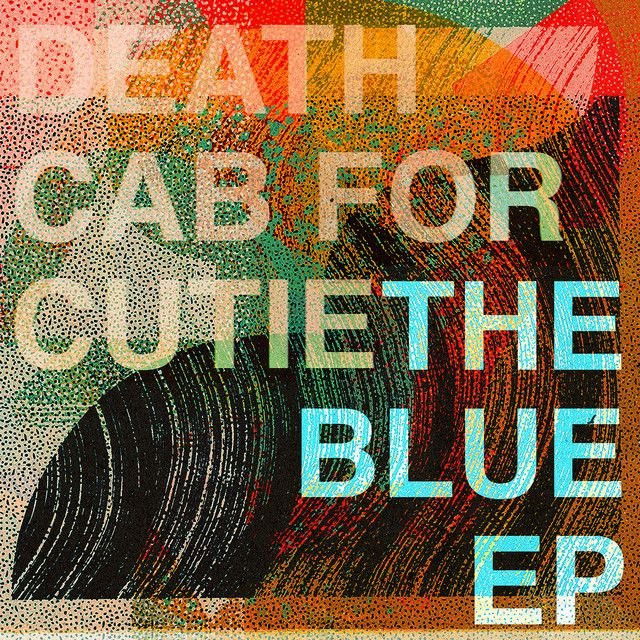
Blue Bloods by Death Cab for Cutie
A sharp song about class, envy, and collapse
The meaning of Blue Bloods Death Cab for Cutie centers on status, performance, and the uneasy feeling of watching a social world they do not fully belong to. On the surface, the song describes a room full of wealthy, polished people circling around one magnetic figure. Under that, it becomes a study of insecurity and the false strength of social power.
"Blue Bloods" - Death Cab for Cutie
Have come out west
And I watch them argue about who loved you the best
Loading lyrics...
Unable to load lyrics
We're unable to display the lyrics at this time. Please try again later.
The title points listeners toward class right away. “Blue bloods” suggests old money, pedigree, and people raised to seem important. In the first verse, the narrator watches east coast blue bloods
arrive out west and compete over who cared more. That setup makes love sound less like love and more like a contest for status.

Watch the official Blue Bloods
music video
The outsider at the center of the scene
One of the song’s best moves is how it places the speaker both inside and outside the action. They are physically present, but emotionally split off from the room. When the song says they were over dressed
yet under refined
, it captures a familiar kind of shame: trying hard to fit in while feeling exposed anyway.
That tension matters to the song’s meaning. This is not just a breakup song or a jealousy song. It is about class codes and cultural confidence. The speaker can copy the costume, but not the ease. Even their life story feels unstable, held together with effort rather than privilege.
Interpretation: The song suggests that money and social polish create their own language. The narrator understands enough to feel judged, but not enough to feel safe.
How the images build pressure
Death Cab for Cutie often uses clean, visual writing, and “Blue Bloods” is full of cinematic details. The line about helicopters circling creates a sense of public spectacle. The mention of photographs on the news pushes the story beyond a private memory and into something seen, discussed, and consumed.
That detail changes the emotional scale. Whatever happened with this “you” is no longer intimate. It has become an event. The narrator is there, but just out of view
, which is one of the song’s key ideas in miniature: near the center, yet erased from it.
Later, they describe a fixed smile and a retreating mind. Then they look away and imagine escape while watching the other person move through the crowd like a cheap ballet
. That phrase is cruel on purpose. Ballet usually suggests grace and beauty; calling it cheap strips away the glamour. The scene still looks elegant, but the narrator sees the performance underneath.
A chorus about gravity and false power
The final section gives the song its core warning. The lyrics compare a person or idea to something sent upward by force, then doomed to fall. Before that image, the song offers its one brief multi-line passage:
You tied a witch to a balloon
Watched it fly into the blue
But it will fall
Paraphrased, the song argues that praise, hype, and social elevation do not last. Someone has been lifted up, maybe unfairly, maybe theatrically, and gravity will eventually win. The repeated ending, built around the idea that they all fall, turns personal bitterness into a wider rule.
Interpretation: That “witch” image may point to scapegoating as much as idol worship. The crowd can condemn someone, glorify someone, or do both in turn. Either way, the group is unstable, and its judgments do not hold forever.
Sound and production: elegant, but tense
“Blue Bloods” appears on The Blue EP, released in 2019 by Death Cab for Cutie through Atlantic. The song is credited to Benjamin Gibbard and Zac Rae. It fits a later-period version of the band: larger in scale than their early work, but still capable of sharp emotional detail. Pitchfork called “Blue Bloods” a late-career highlight and praised how it mixed Gibbard’s older bite with the band’s bigger modern sound.
That production context helps explain the song’s impact. The arrangement feels sleek rather than messy, which mirrors the social world it describes. But beneath that polish, there is strain. The rhythm and guitar textures keep the track moving with a cool, controlled pulse, while Gibbard’s vocal delivery holds back just enough to sound observant instead of explosive.
In other words, the band does not score the song like open heartbreak. They score it like contained humiliation. That restraint makes the resentment sharper.
Artist context matters here
By the time of The Blue EP, Death Cab had moved far from the intimate indie sound of their early Barsuk years. Reviews of the EP often noted the group’s more arena-sized production, especially after Thank You for Today. That broader sound can sometimes flatten emotion, but on “Blue Bloods” it works because the song is already about surfaces, performance, and scale.
There is also a familiar Ben Gibbard strength at work: taking embarrassment and making it precise. Even when the writing becomes theatrical, the emotional engine is simple and human. They feel outclassed, replaced, and unable to stop watching.
So what is the song really saying?
At its heart, the meaning of Blue Bloods Death Cab for Cutie is about the way class and desire get tangled together. The narrator is not only grieving a person. They are also reacting to a whole social ecosystem built on display, reputation, and hidden cruelty.
The song says that elite circles can make affection look competitive and make people feel disposable. It also says those circles are less solid than they appear. Status rises fast, but it falls too. That is why the ending sounds both bitter and strangely calm. The narrator may feel wounded, but they also believe gravity will tell the truth in the end.
Final takeaway
“Blue Bloods” stands out because it turns social discomfort into vivid drama without losing its emotional core. It is stylish, but not empty; angry, but controlled. What begins as a scene of jealousy becomes a wider meditation on class performance and the temporary nature of power.
This article offers an interpretation based on the lyrics, the song’s sound, and available artist context. Like many Death Cab for Cutie songs, “Blue Bloods” leaves room for more than one reading.








