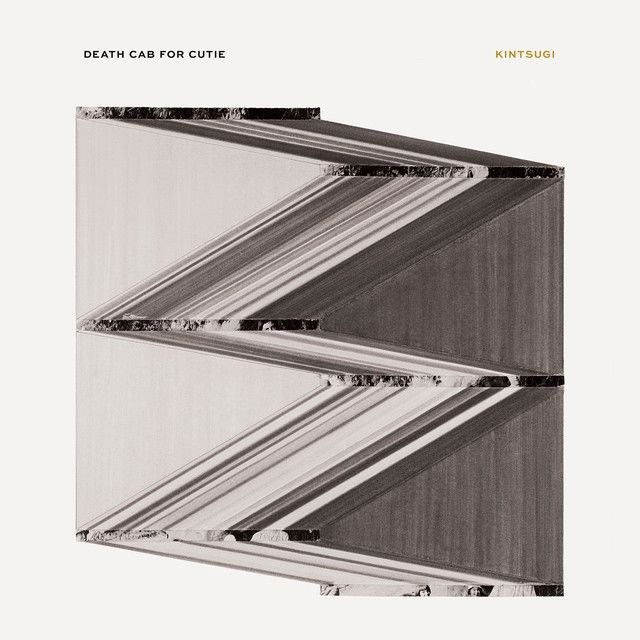
Little Wanderer by Death Cab for Cutie
A love song built on distance
The meaning of Little Wanderer Death Cab for Cutie starts with a simple ache: two people care for each other, but geography keeps getting in the way. The song follows a relationship maintained through photos, messages, time-zone math, and hope. It is not a breakup song. Instead, it is about trying to keep intimacy alive while one person is always somewhere else.
"Little Wanderer" - Death Cab for Cutie
Told me you were doing fine
You said the cherry blossoms were blooming
Loading lyrics...
Unable to load lyrics
We're unable to display the lyrics at this time. Please try again later.
That emotional setup fits its place on Kintsugi, Death Cab for Cutie’s 2015 album. The record arrived during a transitional moment for the band, and its songs often focus on fragility, repair, and emotional distance. In that context, “Little Wanderer” feels especially warm: it admits separation, but it still believes reunion is possible.

Watch the official Little Wanderer
music video
The core story they tell
Ben Gibbard writes the song from the point of view of the partner who stays home while the other person moves through cities like Tokyo and Paris. The traveler shares snapshots and small updates, and the speaker tries to build closeness from those fragments. One of the song’s strongest ideas is that modern communication helps, but only partly. Screens connect them, yet they also remind them how far apart they are.
When the song mentions technological hiccups and overloaded networks, it shows how fragile this connection can feel. Even a message sent with love arrives through static. The romance is real, but the experience is filtered through devices, delays, and mismatched schedules.
Why the chorus hits so hard
The repeated phrase little wanderer
is affectionate, but it also carries tension. It turns the absent partner into a kind of gentle drifter: loved, admired, and missed all at once. The chorus is not accusing them of leaving. It is asking them to return.
That matters because the song avoids bitterness. The line won't you wander back to me
sounds like a plea, but also a promise that home is still there. In emotional terms, the chorus reframes travel as temporary. However far the other person goes, the relationship keeps a center point.
Travel images that mean more than travel
Cities, oceans, and terminals
The song’s place names are more than postcard details. Tokyo and Paris create glamour and movement, but they also underline absence. These are dream destinations, yet the speaker experiences them secondhand, through pictures and imagination.
Later, the airport ending gives the song its payoff. The image of reunion after security and at baggage claim is ordinary, almost plain, which is why it works so well. After all the distance and fantasy, love comes back to a real body in a real place.
someone's gotta be the lighthouse
and someone's gotta be me
This is the song’s clearest statement of purpose. The speaker sees their role as the steady one, the person who remains visible and dependable while the other keeps moving.
Birds and trees as emotional symbols
The song also uses natural imagery to soften its digital world. The partner is imagined as a bluebird returning
, while the speaker becomes an evergreen. Interpretation: these symbols suggest migration and constancy. One person travels in cycles; the other stays rooted.
That pair of images explains the relationship better than any plot summary could. They do not want the same thing in the same way, but they still fit together. Motion needs a home base. Wandering needs something to return to.
How the details connect to bigger themes
A few themes shape the whole song:
- Long-distance love: affection survives through effort, not convenience.
- Technology and limits: messages help, but they cannot replace presence.
- Steadiness versus movement: one partner travels; one holds the center.
- Hopeful reunion: the song believes absence can deepen feeling instead of destroying it.
This hopeful angle matches how Kintsugi was discussed in reviews. A brief Rolling Stone report described “Little Wanderer” as a song that ends with an airport embrace. That summary is useful because it captures the emotional arc: longing first, contact later.
How the music supports the meaning
Songfacts describes “Little Wanderer” as a melancholic, guitar-driven slow-burner, and that is a fair snapshot. The tempo is measured, not rushed. The arrangement gives the melody room to breathe, which mirrors the waiting at the heart of the lyrics.
The production on Kintsugi also matters. It was the band’s first album with outside producer Rich Costey, alongside the band’s own production credit. Across the album, critics noted a stronger synth and electronic texture. In “Little Wanderer,” those polished surfaces fit the subject: this is a love song partly lived through screens.
Still, the song does not feel cold. Gibbard’s vocal delivery is tender and direct, especially around phrases like off across the sea
and back with me
. The instrumentation keeps the sadness gentle rather than crushing. That balance is key to the meaning. The song hurts, but it does not despair.
A reasonable alternate reading
Interpretation: some listeners may hear the song not only as romance, but as a broader reflection on modern adult life. Travel, career, schedules, and digital contact can make even committed relationships feel oddly remote. In that reading, the “wanderer” is anyone pulled away by ambition or motion.
Even so, the song stays personal. Its emotional truth comes from specifics: photos from windows, timezone counting, and the wish that absence will make love stronger instead of weaker.
Why the song still resonates
The lasting power of “Little Wanderer” comes from its realism. It understands that missing someone today often means seeing them constantly, but touching them rarely. That contradiction gives the song its sting.
For many listeners, the meaning of Little Wanderer Death Cab for Cutie is about devotion under strain. It says love is not proved by never leaving; sometimes it is proved by returning, and by trusting the person who keeps the light on while they are gone.
Disclaimer: This interpretation is based on the song’s lyrics, musical context, and published background, but meaning can vary from listener to listener.









