
When I Hear Music by Debbie Deb
The meaning of When I Hear Music Debbie Deb starts with a simple idea: a beat can change a whole night, and maybe a whole version of the self.
"When I Hear Music" - Debbie Deb
Provided by LyricFindWhen I hear music, it makes me dance
You got the music, here's my chance
(When I hear music, it makes me dance)Loading...Loading lyrics...
Unable to load lyrics
We're unable to display the lyrics at this time. Please try again later.
A Dance Song That Is Also About Opportunity
At its core, "When I Hear Music" is about what happens when sound becomes confidence. The narrator goes into a club, sees possibility everywhere, and feels pushed into action by the music itself. This is not a complicated story, but that is part of why it works.
The hook says everything in a few words: it makes me dance
and here's my chance
. Paraphrased, the song suggests that music does more than entertain. It gives them permission to move, flirt, and step out of hesitation.
Interpretation: the song frames the dance floor as a place where personal change happens fast. They arrive as an observer, then become someone ready to act.
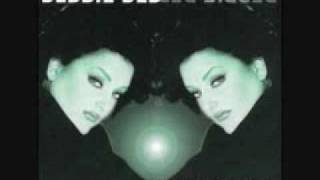
Watch the official When I Hear Music
music video
Inside the Nightclub Story
The lyrics unfold like a short scene from a night out. First, they enter the disco and take in the room. Then they notice the crowd, especially the men on the floor, and begin to imagine what the night could become.
That shift matters. Early lines describe looking and wondering. Soon after, the song moves into desire and self-belief. Phrases like could this really be?
and I'm gonna get a man
show a speaker who starts in amazement and ends in pursuit.
From watching to joining
This is the emotional timeline:
- They enter the club and feel stunned by the scene.
- They watch the dancers and feel attraction.
- The beat takes over and removes doubt.
- The night turns into a chance for fun, romance, and release.
That movement from seeing to doing is the whole engine of the song. It is less about one specific relationship than about the thrill of social possibility.
What the Chorus Really Means
The chorus repeats because the feeling repeats. Every time the beat returns, the same transformation happens again. Hearing music leads to movement; movement leads to confidence.
One brief lyric section captures the song's whole emotional loop:
When I hear music
it makes me dance
You got the music
here's my chance
Paraphrased, the message is that the DJ, the room, or maybe a romantic interest holds the spark, and the narrator feels ready to answer it.
Interpretation: this is why the song feels bigger than its words. The chorus turns dance into destiny, even if only for one night.
Debbie Deb, Pretty Tony, and the Miami Sound
Factual context helps explain why the song feels so immediate. "When I Hear Music" was released in 1984 as a single by Debbie Deb, with music produced and composed by Pretty Tony Butler; sources also credit Debbie Deb, born Debbie Wesoff Lopez, with the lyrics, while Tony Butler is widely listed as writer and producer in release information. It was recorded at M.S.I. Studios and issued on Jam Packed Records, later reaching No. 43 on Billboard's Black Singles chart, according to reference summaries from contemporary discography and chart listings.
The song came out of early Miami freestyle and electro. Research on Butler's methods points to drum machines and synths like the Roland TR-808 and Juno-60 shaping his sound. Critics have described the record as borrowing electro energy associated with "Planet Rock," then softening it with chime-like, almost toy-box melody lines and Debbie Deb's light, anticipatory voice.
That mix is the key: hard rhythm, soft vocal. The beat pushes forward, while the singer sounds excited, even a little fragile. Together, they create the feeling of a young person stepping into a loud room and deciding to belong there.
How the Production Carries the Meaning
The production is not just background. It tells the same story as the lyrics.
The beat acts like courage
The drum programming is steady, mechanical, and dance-first. It does not wander emotionally; it locks into a groove. That gives the song its sense of inevitability, as if once the rhythm starts, moving is the only logical response.
The synths make the room feel electric
Bright keyboard tones and playful effects paint the nightlife setting. They suggest flashing lights, roller-rink energy, and a crowded floor where everything feels slightly unreal.
The vocal keeps it human
Debbie Deb's performance does not sound slick in a cold way. It sounds eager. That matters because the song is about wanting something now. The voice sells the rush of being young, excited, and a little overwhelmed.
A Celebration With a Hint of Vulnerability
On the surface, this is a party record. Lines about the night being young and everybody having fun make that clear. But there is also vulnerability under the fun.
The narrator wants to be seen. They want to connect. They want the moment to become more than a moment. Even the repeated idea of a chance
hints that opportunities do not always come easily.
Interpretation: the song works because it balances confidence with need. They sound bold, but the boldness is powered by the room, the beat, and the hope that this night might lead somewhere.
Why the Song Still Connects
Part of the meaning of When I Hear Music Debbie Deb is its simplicity. It captures a universal feeling: music can pull someone out of self-consciousness and into the body. That is why the song has endured beyond its original release, including later sampling and renewed attention in hip-hop and pop culture.
Its staying power also comes from its place in freestyle history. Pretty Tony Butler has been recognized as an important figure in early Miami dance music, and Debbie Deb became one of the voices listeners still connect with the genre's youthful, romantic edge.
Final takeaway
"When I Hear Music" is about more than dancing. It is about the instant when rhythm becomes bravery. In that sense, the song turns a club scene into a small story of self-invention.
Disclaimer: This interpretation separates factual background from critical reading. Meanings can vary by listener, and songs often support more than one valid reading.








