Why "Electric Youth" Still Sparks
Debbie Gibson's meaning of Electric Youth Debbie Gibson is easier to grasp once listeners stop hearing it as just a bright late-'80s pop single. Under the shiny hooks, the song makes a simple argument: young people are not waiting for permission to matter. They already do.
"Electric Youth" - Debbie Gibson
Zappin' it to ya
The pressure's everywhere
Loading lyrics...
Unable to load lyrics
We're unable to display the lyrics at this time. Please try again later.
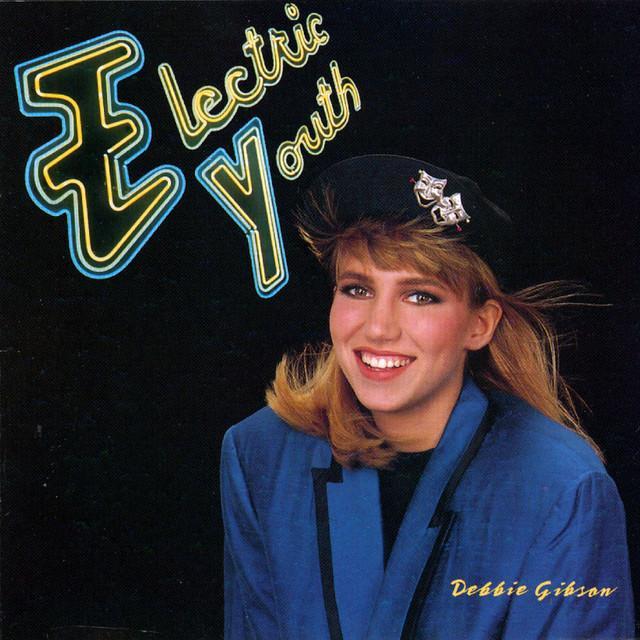
Released in 1989 as the second single from Gibson's album Electric Youth, the track was solely written by Gibson and produced by Fred Zarr. It reached No. 11 on the Billboard Hot 100 and helped define the album's youth-first image. Those facts matter because the song was not accidental branding; it came from a teenage artist writing her own statement in public.
More Than Bubblegum, More Than a Slogan
At its core, the song is a rallying cry for a generation. Gibson shifts away from the romantic themes of many of her earlier hits and instead focuses on youth as a social force. Research on the song has consistently described it as an anthem for young people who feel dismissed or underestimated.
That message appears right away in images of pressure, heat, and motion. Phrases like the pressure's everywhere
and the fever's in the air
suggest a world moving fast around young people. But the lyric does not treat that pressure as defeat. It turns it into energy.
Interpretation: The song argues that stress, expectations, and noise can become fuel. Instead of being crushed by adulthood's rules, the speaker treats youth as the spark that can push culture forward.

Watch the official Electric Youth
music video
The Chorus Turns Youth Into Power
The chorus is the key to the entire meaning of Electric Youth by Debbie Gibson. Gibson repeats the title as if it were both a label and a movement. When the song says coming on strong
, it presents youth not as fragile or temporary, but as forceful and visible.
The most important idea is the repeated claim that the future belongs to itself, and that future is tied to youth. Paraphrased, Gibson is saying that tomorrow will not be built only by today's authority figures. It will be shaped by the people growing into that future now.
It's true you can't fight it
Live by it the next generation
This brief section sums up the song's logic. Youth culture is not a fad that adults can simply ignore. It is the next stage of society.
Who They Are Singing For
Even though the lyric often uses direct address, the emotional voice feels collective. This is less a private confession than a public announcement. The song speaks to peers, skeptics, and older listeners at the same time.
Lines about having time to change the world and not losing sight of potential suggest a defense of young minds. The lyric asks adults to remember their own younger selves. In that way, the song bridges generations instead of only attacking one side.
Interpretation: Gibson is not saying youth is automatically wiser than age. They seem to be saying that youthful imagination has value before it receives adult approval.
The Small Details That Build the Theme
Several short phrases deepen that idea. Don't underestimate the power
is the song's clearest warning to anyone who dismisses young people. Later, remember when you were young
invites empathy rather than conflict.
The ending list—words like inflation, flirtation, relaxation, and elation—sounds playful, but it is also revealing. Gibson stacks social pressure, emotion, fun, and identity into one collage. Youth is not one feeling. It is a messy mix of anxiety, pleasure, culture, and possibility.
That mixture is why the song still lands. It captures adolescence as a moment when everything feels overcharged: money, style, attraction, ambition, and self-belief.
How the Production Makes the Meaning Feel Real
The song's sound carries as much meaning as its lyric. Built in a dance-pop and freestyle style, it uses bright synthesizers, a brisk beat, and punchy vocal layering to create a feeling of motion. The arrangement feels bouncy and busy, almost like a city full of lights and signals.
That matters because "electric" is not only a metaphor in the lyric. The production makes the listener feel it physically. The drums push forward, the keyboards shimmer, and the chorus opens up like a public celebration.
Fred Zarr's production helps turn the song from statement into event. Instead of sounding reflective or moody, it sounds activated. That gives the message credibility: a song about youth power should feel alive, not cautious.
Why It Fit Debbie Gibson So Well
Gibson was still a teen star when the song arrived, which gave it unusual authority. She was not borrowing the language of youth from a distance. She was inside it. Reports on the song note that she wrote it as a response to how young people were often ignored, and she later described the title as an inspired phrase that seemed to arrive fully formed.
That context explains why the song can feel both idealistic and strategic. It worked as a pop hook, but it also expressed Gibson's identity as a young songwriter who wanted to be taken seriously.
A Lasting Meaning Beyond 1989
Today, the meaning of Electric Youth Debbie Gibson still feels clear: youth is not just an age bracket. It is a source of imagination, pressure, rebellion, and renewal. The song celebrates that energy while asking older listeners not to forget where change begins.
Its optimism is very 1989, but the argument is timeless. Every generation wants proof that its voice counts. Gibson turned that feeling into a glossy pop anthem.
Disclaimer: Song meaning is interpretive. This article separates documented facts from informed reading, and other listeners may hear the song differently.








