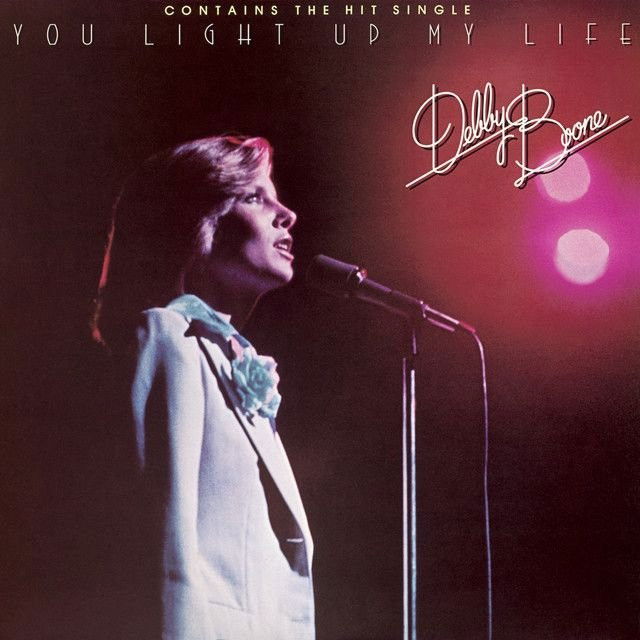
Why 'You Light Up My Life' Still Glows
The meaning of You Light Up My Life Debby Boone comes down to a simple but powerful emotional shift: a person who once felt isolated suddenly feels seen, loved, and hopeful. The song takes a private kind of sadness and turns it into reassurance. That is a big reason it connected so strongly with American listeners in 1977.
"You Light Up My Life" - Debby Boone
Waiting for someone to sing me his song
So many dreams I kept deep inside me
Loading lyrics...
Unable to load lyrics
We're unable to display the lyrics at this time. Please try again later.
Factually, the song was written by Joe Brooks and first recorded by Kasey Cisyk for the 1977 film soundtrack before Debby Boone’s cover became the blockbuster hit version. Boone’s recording spent ten consecutive weeks at No. 1 on the Billboard Hot 100, a record at the time, and Brooks also produced her version. Those details are widely documented in chart histories and reference sources such as Wikipedia’s song entry.
A Ballad About Hope Arriving at Last
The song opens in a place of waiting. The speaker looks back on many lonely nights and hidden dreams, suggesting a long stretch of emotional silence. Even before the chorus, the listener can hear the main idea: this is not just about liking someone. It is about finally feeling rescued from emptiness.
That is why the central line, light up my life
, matters so much. It is not only a compliment. It is a metaphor for direction, comfort, and renewed energy. When the singer says the other person gives them hope to carry on
, the song frames love as something almost life-restoring.
Interpretation: Most listeners hear this as a romantic ballad. The lyrics point to personal connection, affection, and the relief of no longer being alone. But because the language is broad and inspirational, some people also hear spiritual meaning in it.
Watch the official You Light Up My Life
music video
From Darkness to Homecoming
One of the song’s strongest qualities is how clearly it maps an emotional journey. The first verse describes longing. The second verse introduces movement and change. By the end, the speaker sounds convinced that they have reached safety.
The sea image is especially important. The phrase adrift on the water
suggests confusion and instability. A person drifting has no control, no clear route, and no firm destination. Then the lyric shifts toward the idea of turning for home
, which changes the mood from uncertainty to belonging.
This movement gives the ballad its shape:
- They begin in loneliness.
- They meet someone who changes their emotional world.
- They feel less lost and more certain.
- They believe love can now last.
That progression is why the chorus lands so strongly. It does not appear as a random declaration. It feels earned.
Why the Chorus Feels So Big
The chorus works because it turns inner feeling into plain language. Instead of using complex poetry, the song chooses direct, universal words. The speaker says their days are brighter and their nights are filled with music. In other words, love changes both the ordinary hours and the darker ones.
You light up my life
You give me hope
Those short lines are easy to remember, but they also carry the whole emotional argument of the song. Light stands for relief. Hope stands for endurance. Together, they tell the listener that this relationship does not just feel nice; it gives life meaning and momentum.
Interpretation: The repeated chorus may also explain why the song crossed beyond pop into adult contemporary and country audiences. Its message is broad enough to fit different listening habits, beliefs, and experiences.
Debby Boone’s Voice and the Song’s Soft Power
Debby Boone’s recording is often described as gentle, polished, and emotionally controlled rather than flashy. That matters. A more dramatic or rough-edged vocal might have changed the song into heartbreak or desperation. Boone sings it with steadiness, which makes the feeling sound sincere and safe.
The production helps too. Her hit version was built over a pre-existing instrumental track created by Joe Brooks, and contemporary reviews noted how the arrangement rises to an emotional peak with a strong string section. That swell of strings, along with piano-led softness, gives the song a warm, glowing feel rather than a sharp one. It sounds like comfort.
This is also where its country crossover makes sense. Even though many sources classify it as soft rock or pop, the emotional plainness and smooth ballad style helped it reach the country chart as well, where it peaked in the Top 5 according to the same chart summary on Wikipedia.
The Story Behind the Hit Adds Context
The song’s history makes the meaning of You Light Up My Life Debby Boone even more interesting. It was tied to a film, yet Boone’s version became much larger than the movie itself. It won a massive audience and became one of the defining songs of late-1970s radio.
There is also an important bit of artist context. Boone later told Entertainment Weekly that Joe Brooks directed her performance very closely, saying she had little freedom and was told to match the original phrasing. That comment, quoted in the song’s documented history, suggests that the emotional tone many people associate with Boone’s version was carefully engineered as much as personally expressed.
Still, listeners usually respond to the result rather than the process. And the result is a ballad that feels earnest, bright, and deeply reassuring.
Why It Endures
The song lasts because its message is instantly recognizable. Almost everyone understands the feeling of waiting in the dark for connection, then finding someone who makes life seem possible again. The lyrics are not complicated, but that simplicity is part of the craft.
In the end, the song says love can act like light: it helps people see clearly, feel safer, and keep moving forward. That is why this ballad still resonates.
Disclaimer: This interpretation separates documented facts about the song’s release and success from critical reading of its lyrics and emotional meaning. Interpretations can vary from listener to listener.








