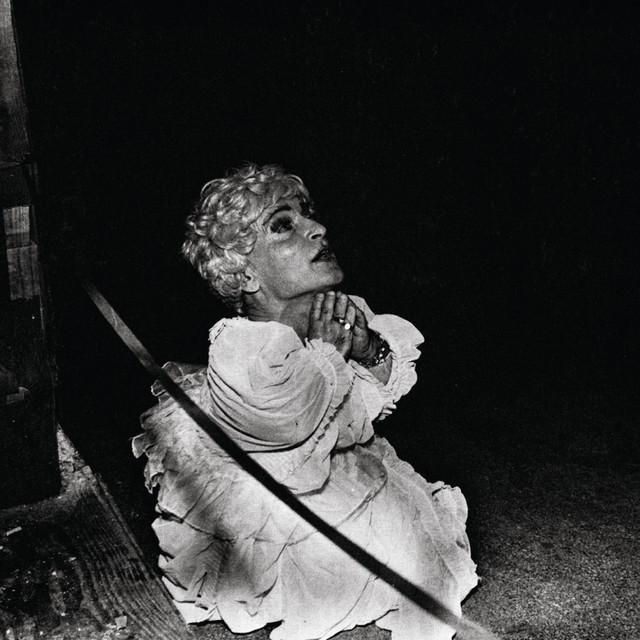
Desire Lines by Deerhunter
Deerhunter's "Desire Lines" turns a simple fear—losing the spark of youth—into a drifting, beautiful search for direction.
"Desire Lines" - Deerhunter
Provided by LyricFindOh, when you were young and your excitement showed
But as time goes by is it outgrown?
Is that the way things go? Forever reaching for the goldLoading...Loading lyrics...
Unable to load lyrics
We're unable to display the lyrics at this time. Please try again later.
Why the meaning of Desire Lines Deerhunter still resonates
The meaning of Desire Lines Deerhunter starts with a familiar feeling: people grow up, and the bright sense of possibility they once had can dim. The song looks at that change without melodrama. Instead, it asks what remains when excitement cools, success disappoints, and life stops feeling wide open.
Factually, "Desire Lines" appears on Halcyon Digest, Deerhunter's 2010 album, and the song is credited to Bradford Cox and Lockett Pundt. It is often singled out as one of the album's emotional and musical centerpieces, especially because of its long instrumental glide at the end. Deerhunter released Halcyon Digest through 4AD in 2010, with production by Ben H. Allen and the band.
Watch the official Desire Lines
music video
At its core, the song is about fading youth
In the opening verse, the narrator looks back on a time when excitement was visible and natural. Then the song asks whether that feeling gets "outgrown." That question matters because it is not only about age. It is also about compromise.
The next ideas sharpen that point. The song suggests a life of chasing reward, or reaching for the gold
, only to feel emotionally cold when the thrill fades. They frame ambition as something double-edged: it can drive people forward, but it can also leave them empty.
Interpretation: The song is not condemning dreams. It is questioning what happens when achievement becomes a substitute for meaning.
The chorus sounds free, but it is not simple
The chorus repeats a small set of phrases: walking free
, come with me
, and far away
. On the surface, those words sound liberating. They suggest movement, escape, and maybe even romance.
But because the verses are so focused on loss and disillusionment, the chorus feels less like a victory lap and more like a wish. They are hearing someone try to imagine another route through life. The repeated invitation carries hope, but also restlessness.
That is where the title becomes useful. A desire line is the path people create naturally, not the one planners intended. Interpretation: In that sense, the song may be about leaving imposed expectations behind and following a truer emotional path.
A small life lesson hides inside the second verse
The second verse returns to youth, but now with less innocence. When the song says a person once did not know which way they would go, it captures the openness of being young. Then it darkens that memory by saying what once felt graceful can become an undertow
.
That image is one of the best in the song. An undertow pulls quietly and powerfully. It fits the idea that adulthood is not always one big collapse. Sometimes it is a slow drag caused by routine, disappointment, or other people's pressure.
Then comes one of the song's plainest pieces of wisdom: do what you can each day, because life can turn quickly and must come down
. That line connects ambition to gravity. What rises does not stay high forever.
How the sound carries the meaning better than the lyrics alone
A big reason the song endures is its arrangement. Deerhunter start with a relaxed, motorik pulse and shimmering guitars, then slowly stretch the track into a long instrumental release. That structure matters.
The lyrics deal with limits: aging, uncertainty, emotional letdown. The music answers with motion. Instead of closing in, the song opens out. By the time the instrumental section takes over, the listener is no longer stuck inside the words. They are moving through them.
Interpretation: This is why "Desire Lines" can feel both melancholy and uplifting. The verses describe life's narrowing pressures, while the music acts out a kind of escape from them.
Lockett Pundt's vocal delivery also helps. It is calm and unforced, which keeps the song from sounding overly dramatic. That restraint makes the emotional tension feel more believable.
Artist context makes the song feel even richer
Deerhunter's Halcyon Digest is widely understood as an album about memory, distance, and the way past feelings linger. "Desire Lines" fits that world perfectly. Where some Deerhunter songs are ghostly or fragmented, this one feels clearer and more physical, built around forward motion.
It also stands out because Deerhunter balance indie rock haze with krautrock-like repetition. That steady repetition mirrors the song's theme: people keep moving through daily life even when they are unsure where it leads.
The title itself adds another layer. Outside music, a desire line refers to the unofficial path people make by walking where they actually want to go. That image fits a song about instinct, longing, and trying to recover purpose after disillusionment.
Two strong ways to read the song
Reading one: a meditation on adulthood
This is the most direct reading. The song tracks the shift from youthful possibility to adult compromise. It asks whether passion naturally fades or whether the world trains people to settle.
Reading two: a call to resist that fading
The chorus and instrumental ending support a more hopeful view. Even if disillusionment is real, the song keeps reaching outward. In this reading, "Desire Lines" is about refusing to live only by the routes others set.
Final takeaway on Deerhunter's quiet masterpiece
The meaning of Desire Lines Deerhunter lies in its tension between loss and motion. Its lyrics admit that youth, ambition, and certainty do not last untouched. But its music suggests that freedom may still exist in the paths people choose for themselves.
That balance is what makes the song so moving. It does not promise easy answers. It simply turns uncertainty into momentum.
Disclaimer: This interpretation is based on the song's lyrics, title, and musical context. As with many Deerhunter songs, listeners may hear different meanings in its ambiguity.








