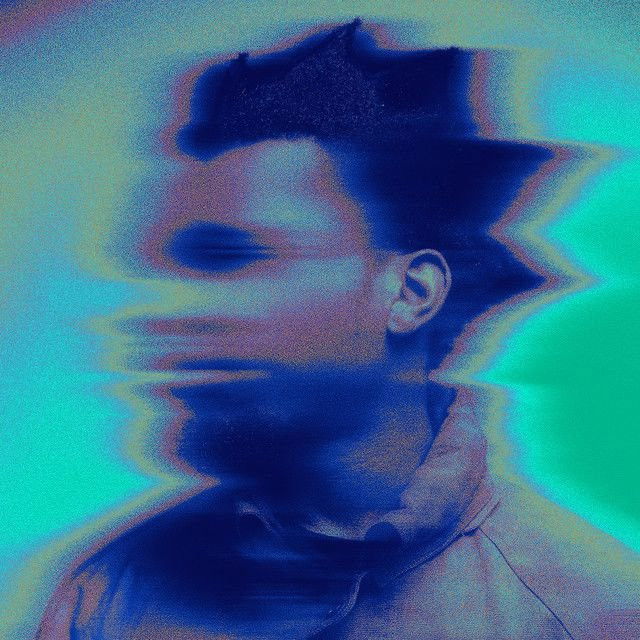
John Wayne by Denzel Curry, Buzzy Lee
The meaning of John Wayne Denzel Curry, Buzzy Lee starts with a contradiction. The title points to a classic movie cowboy, but the song is not about freedom or swagger in any simple way. It is about fear, retaliation, and the kind of toughness people perform when they feel cornered.
"John Wayne" - Denzel Curry ft. Buzzy Lee
Any love that we stay
Ohh, how hard it's been
Loading lyrics...
Unable to load lyrics
We're unable to display the lyrics at this time. Please try again later.
On Denzel Curry's 2022 album Melt My Eyez See Your Future, this track stands out as one of the shortest and sharpest moments. According to album credits, “John Wayne” features Buzzy Lee, the stage name of Sasha Spielberg, and was written by Denzel Curry, Sasha Spielberg, and Barrington Hendricks, with JPEGMafia credited as producer in the album's track listing and credits (Wikipedia). That matters, because the song sounds like a collision between two emotional worlds: haunting art-pop melody and blunt street reportage.
A Cowboy Mask Hiding Panic
At the center of the song is a narrator moving through danger and trying to harden themself. When Curry repeats walk around the hood like I'm John Wayne
, they are not celebrating a glamorous outlaw life. They are using a famous American image to describe survival theater. The speaker wants to look fearless, almost mythic, even as the verse reveals how damaged and distrustful they feel.
Interpretation: John Wayne becomes a mask. The cowboy image suggests control, masculinity, and a gun-at-the-hip kind of confidence. But Curry twists that image into something darker. This is not frontier adventure. This is a person expecting violence and deciding they must answer it with more violence.
That idea grows stronger with the hook's references to carrying a weapon and giving pain back to others. The repeated threats sound less like victory than learned behavior. The line about what was done in the first grade
hints that the cycle started early. In other words, the song suggests that aggression is not natural here; it is trained in.
Watch the official John Wayne
music video
The Verse Turns Social Anger Personal
Curry's verse broadens the song from one person's fear to a wider American crisis. He describes a world where danger is racial, public, and constant. When he says the world is darker
than a moment tied to baseball integration, they connect present fear to long histories of racism.
He then moves from history to immediate threat. There are references to armed self-protection, to not trusting emergency systems, and to the feeling that official help may arrive too late or even bring more harm. The line about shooting joggers
clearly evokes racist violence in public life. The song does not present that as abstract politics. It presents it as part of the speaker's mental weather.
Interpretation: This is why the verse feels so tense. The narrator is not simply violent; they are describing how violence becomes thinkable when institutions feel hostile. The line living lawless
is important because it sounds like both confession and diagnosis. They are saying they have been pushed outside normal trust.
Buzzy Lee's Chorus Changes the Mood
Buzzy Lee's opening and closing lines are brief, but they matter. Her voice sounds airy, wounded, and distant, almost like memory floating over a nightmare. She does not interrupt Curry's anger. She frames it.
Anytime that I can take
Any love that we stay
This tiny refrain suggests exhaustion and a desperate grasp at tenderness. Even if some words feel fragmented, the emotion is clear: they are trying to hold on to love in a space ruled by hard times. That makes the whole song sadder.
Without Buzzy Lee, “John Wayne” could land as pure menace. With her, it sounds like a lament. The softness around the verse hints that beneath the threats is someone overwhelmed by pain.
How the Production Supports the Meaning
JPEGMafia's production helps sell that emotional split. “John Wayne” is not built like a triumphant anthem. It feels sparse, eerie, and unstable. The beat leaves room for Curry's voice to sound exposed, while Buzzy Lee's vocals drift like a ghost in the background.
That fits the wider mood of Melt My Eyez See Your Future, an album released on March 25, 2022, that critics often described as more introspective than Curry's earlier work (Wikipedia). Pitchfork noted the album's turn toward “introspection and vulnerability,” while NME praised its self-discovery. Those descriptions help explain why “John Wayne” matters on the album: even when Curry sounds threatening, the deeper subject is emotional damage.
The Western imagery also fits the album's known cinematic interests. Curry discussed film influences around the project, including Westerns and samurai movies, as documented in album coverage and notes (Wikipedia). “John Wayne” uses that movie language, but strips away heroism. The result is anti-romantic. The guns are not cool props; they are symptoms.
The Song's Strongest Idea
The strongest idea in the meaning of John Wayne Denzel Curry, Buzzy Lee is that toughness can be a trauma response. The speaker acts untouchable, yet every line points back to hurt, memory, and social betrayal. Even the phrase my only friend
for a weapon is less boast than warning. If a gun becomes friendship, then isolation has already won.
There is also a cycle built into the chorus. The speaker wants to return what was given to them. That is revenge logic, but the song does not frame it as justice. It feels empty, automatic, and tragic.
Final Take on the Song's Message
“John Wayne” is about what happens when a person turns fear into armor. Denzel Curry uses the cowboy image to show how American myths of masculinity and self-protection can hide pain, especially in a world marked by racism and distrust. Buzzy Lee's fragile vocal makes sure listeners hear the grief underneath the threats.
That is why the song lingers. It sounds hard, but its real subject is damage.
Disclaimer: This interpretation is based on the song's lyrics, credited collaborators, album context, and publicly available sources. As with most art, some meanings remain open to listener interpretation.









