Where's the Revolution by Depeche Mode
Why This Protest Song Still Lands
The meaning of Where's the Revolution Depeche Mode starts with a challenge. They frame the song as a wake-up call aimed at ordinary people, not just leaders. Instead of describing one event, they point to a wider mood: people feel manipulated, worn down, and passive while systems of power keep moving.
"Where's the Revolution" - Depeche Mode
You've been pushed 'round
You've been lied to
Loading lyrics...
Unable to load lyrics
We're unable to display the lyrics at this time. Please try again later.
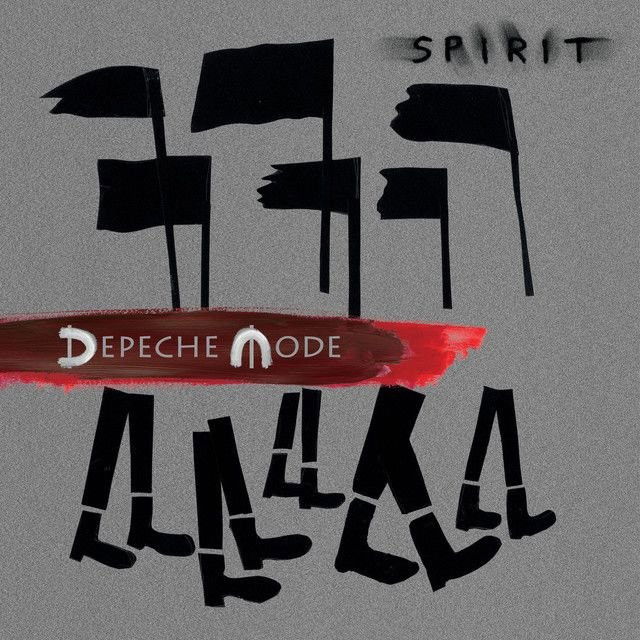
Released on February 3, 2017, as the lead single from Spirit, the track marked Depeche Mode's return after four years. It was written by Martin Gore and produced by James Ford, with the album arriving later that March. Those facts matter because the song came out during a tense political period, and Gore openly connected it to a sense that the world was in bad shape.
Watch the official Where's the Revolution
music video
The Core Message Beneath the Chorus
At its heart, the song asks why public anger has not turned into real action. The title hook, Where's the revolution
, is not subtle. They use it like an accusation, but also like a plea.
The verses explain why that question feels urgent. The speaker tells listeners they have been misled and controlled, then asks who really shapes their choices. Short lines like You've been kept down
and your rights abused
sketch a world where authority works by pressure, fear, and repetition.
Interpretation: the song is less about one ideology than about the habit of obedience. It suggests that people can become so used to being managed that they stop resisting at all.
Who They Are Talking To
One of the strongest parts of the song is its use of direct address. The lyric keeps saying "you," which makes the listener part of the argument. They are not watching a protest from far away; they are being asked what they themselves accept.
That is why the line Come on, people
matters so much. It sounds frustrated, almost disappointed. The song is not only angry at governments, religion, or nationalism. It is also angry at public silence.
A Short Map of the Song's Argument
The song unfolds in a simple sequence:
- First, it lists forms of control and humiliation.
- Next, it questions who benefits from those conditions.
- Then, it turns to the public and asks why they are still passive.
- Finally, it offers movement through the image of a coming train.
That structure gives the song its force. It moves from diagnosis to demand.
Power, Fear, and Mass Persuasion
The middle of the lyric deepens the political theme. The song suggests that authorities use fear to shape public opinion, even turning terror into a tool. The point is not just that leaders lie. It is that they keep people anxious enough to surrender judgment.
Interpretation: this makes the song a critique of modern media politics as much as state power. They seem to argue that fear can flatten debate, wear people down, and make extreme responses feel normal.
This reading fits comments around the album. As reported by Billboard, Dave Gahan said Spirit was not simply a political record, but one about humanity and people's place in the world. That helps explain why the song feels broader than a campaign anthem. It is about civic numbness, moral fatigue, and the need to care again.
The Train Image: Warning or Hope?
The key symbol arrives late: the train and the engine. The repeated command get on board
changes the song's energy. After so much criticism, they finally offer motion.
The train is coming
So get on board
This is the article's only multi-line lyric quote, and even here the meaning depends on paraphrase. The train can sound hopeful, as if change is already gathering speed. But it can also sound ominous, as if history is moving and people will be left behind if they keep doing nothing.
Interpretation: both readings can be true at once. Depeche Mode often thrive in that space between warning and salvation.
How the Sound Carries the Meaning
The production gives the message its bite. James Ford builds the track with a heavy, marching pulse, crisp electronic textures, and a controlled sense of tension rather than explosive chaos. That matters because the song is not about spontaneous riot energy. It is about pressure building under the surface.
Dave Gahan's vocal delivery is equally important. They sing with restraint, almost like a stern public address. That cool tone makes the criticism sharper. If the performance were more theatrical, the song might feel preachy. Instead, it sounds measured and grim.
There is also a slightly industrial edge in the arrangement that links the song to Depeche Mode's long history of mixing synth-pop with darker textures. According to release credits, Ford handled production and drums, helping shape the track's mechanical drive.
Artist Context Makes the Meaning Clearer
Context strengthens the reading. Gore said the song came from a feeling that "things [were] going wrong" in the world, and he mentioned the Syrian crisis, police shootings in the United States, and wider unrest. That does not lock the song into one news cycle, but it does confirm its political roots.
The black-and-white Anton Corbijn video also supports the theme. Its stark, controlled imagery echoes the song's dystopian mood and its concern with power, obedience, and mass behavior.
Final Take on the Song's Meaning
So what is the meaning of Where's the Revolution Depeche Mode? They present revolution less as a literal uprising than as a moral demand for awareness, courage, and public action. The song argues that people are manipulated by institutions, but it also insists that passivity is a choice.
That tension is what makes the track memorable. It is angry, but it is not hopeless. They ask a hard question because they still believe an answer is possible.
Disclaimer: This interpretation is based on the song's lyrics, known artist comments, and release context. Meaning in music can remain open, and listeners may hear it differently.









