Why 'Chinatown' Feels Like a City in Crisis
The meaning of Chinatown Destroyer starts with a strange mix of beauty and dread. The song sounds sleek, calm, and almost romantic, yet its words point to confusion, bad weather, and systems breaking down. That contrast is the key to why the track lingers.
"Chinatown" - Destroyer
The way the wind's talking to the sea
I heard that someone said it before, I don't care
Loading lyrics...
Unable to load lyrics
We're unable to display the lyrics at this time. Please try again later.
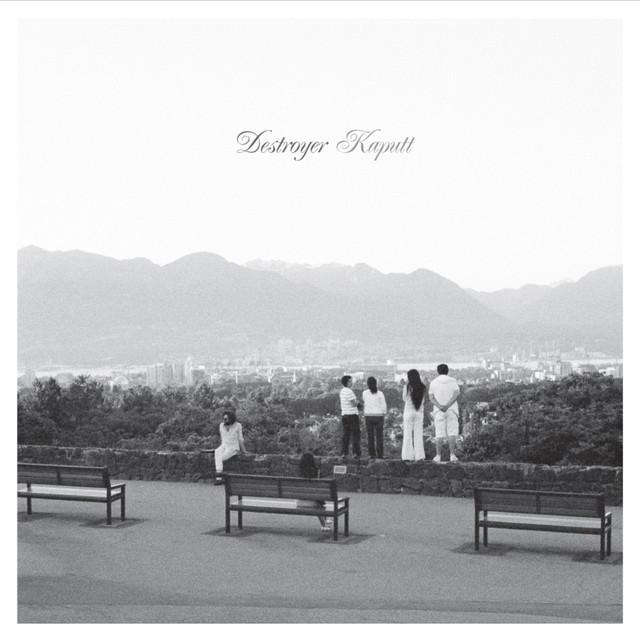
Released as the opening song on Destroyer’s 2011 album Kaputt, “Chinatown” introduced listeners to Daniel Bejar’s most polished and accessible era. The album earned broad acclaim, including a Metacritic score of 84 and a 2011 Polaris Prize shortlist mention. But “Chinatown” is not simply stylish. It uses style to hide, and also reveal, a deep unease.
The Core Idea Hiding in Plain Sight
At heart, the song seems to describe emotional and civic paralysis. A speaker watches the world turn unstable and admits they cannot detach from it. The repeated line I can't walk away
is the emotional center. It suggests attachment, but not a happy one. They are stuck with a place, a relationship, or a historical moment that keeps pulling them back.
Interpretation: “Chinatown” may be about loving something that is already compromised. The song keeps pointing to forces larger than one person: weather, public disorder, and a failing government. Even so, the speaker does not claim distance or innocence. They stay inside the scene.
That is why the title matters. “Chinatown” works less like a literal travelogue and more like a symbolic city space: crowded, mythic, beautiful, and layered with old stories. It feels like a place where romance and collapse can happen at once.

Watch the official Chinatown
music video
A Chorus About Being Trapped
The song’s refrain is simple, but its simplicity gives it power. Bejar repeats you can't walk away
until it starts to sound less like a statement and more like fate. The words could apply to a lover, to a neighborhood, or to modern life itself.
The chorus does not offer a solution. Instead, it narrows the emotional frame. Every verse expands outward with weather and political imagery, then the refrain pulls everything back to one stubborn fact: escape is not happening.
I can't walk awayyou can't walk away
That brief two-line turn matters because it shifts the song from private feeling to shared condition. It is no longer just one person trapped. It becomes collective.
Weather, Water, and a Failing Order
Much of the song’s meaning comes from images that feel natural and political at the same time. Early on, the speaker notices the wind's talking to the sea
. That phrase turns nature into a language, as if the world is sending warnings. The song never explains those warnings clearly, which makes them feel even more ominous.
Then the lyrics bring in rain and government. The phrase swallowed up in the squall
connects public power to a storm. This is one of Bejar’s sharpest moves as a writer. He does not deliver a protest song in direct terms. Instead, he lets bad weather stand in for institutional weakness, confusion, and drift.
Interpretation: The “government” line can be read as social commentary. It suggests a state too fragile to withstand chaos. But it also works on a personal level. A person trying to explain themselves can feel just as overwhelmed as a government in a storm.
This is why the meaning of Chinatown Destroyer feels so rich. The lyrics are abstract, but the emotional logic is clear. The song is about being caught inside forces that are bigger than explanation.
Daniel Bejar's Style Makes the Unclear Feel Exact
Daniel Bejar is known for lyrics that are allusive and slippery, and “Chinatown” is a prime example. He uses familiar ideas—love, weather, city life, politics—but arranges them so they feel half-remembered. One key line includes I know you and I know the score
, which sounds confident, yet the song around it remains uncertain.
That tension is important. Bejar writes like someone who understands the mood before they understand the facts. The speaker senses damage, senses attachment, and senses repetition. They cannot fully explain any of it.
Critics often described Kaputt as both warm and decadent. In a Guardian review, Alexis Petridis called the album “warm and beautiful.” That warmth matters in “Chinatown,” because it keeps the song from turning cold or purely cynical. Even its bleakest ideas arrive in a soft glow.
How the Sound Deepens the Meaning
The production does a huge share of the storytelling. Kaputt was produced by John Collins and David Carswell as JC/DC, and its sound draws on soft rock, synth-pop, and smooth-jazz textures. In “Chinatown,” the arrangement feels airy and elegant rather than heavy. There is a gentle pulse, glossy keyboards, and a drifting mood that seems to float above the ground.
That matters because the music does not mirror panic in an obvious way. Instead, it turns crisis into atmosphere. The polished surface suggests a world still functioning, while the lyrics hint that the foundations are shaking.
This contrast creates one of the song’s best effects:
- the lyrics describe instability
- the music sounds controlled
- the combination feels eerie, not comforting
It is like watching a storm through expensive glass. Everything looks beautiful right before it becomes dangerous.
Two Strong Readings of "Chinatown"
A song about a relationship they cannot leave
One reading is intimate. The repeated refusal to leave sounds like emotional dependency. The speaker knows the truth, knows “the score,” and still remains. In this version, Chinatown is the setting for a romance that has become impossible to quit.
A song about society during slow collapse
Another reading is broader. The references to weather, detriment, and government point to collective instability. Pitchfork later praised Kaputt as music that looked at a world beginning to collapse, and that frame fits “Chinatown” well. Here, the song becomes a portrait of people living elegantly inside decay.
Both readings can be true at once. That overlap is part of Bejar’s craft.
Why the Song Still Connects
“Chinatown” endures because it captures a modern feeling: knowing things are off, yet continuing anyway. Its speaker is observant but not heroic. They do not fix the city, the relationship, or the system. They simply admit they are bound to it.
That is the lasting power behind the meaning of Chinatown Destroyer. The song turns paralysis into poetry and makes crisis sound seductive. Its beauty is real, but so is its warning.
Disclaimer: This interpretation mixes documented context with informed reading of the lyrics and sound. As with many Destroyer songs, ambiguity is part of the design.








