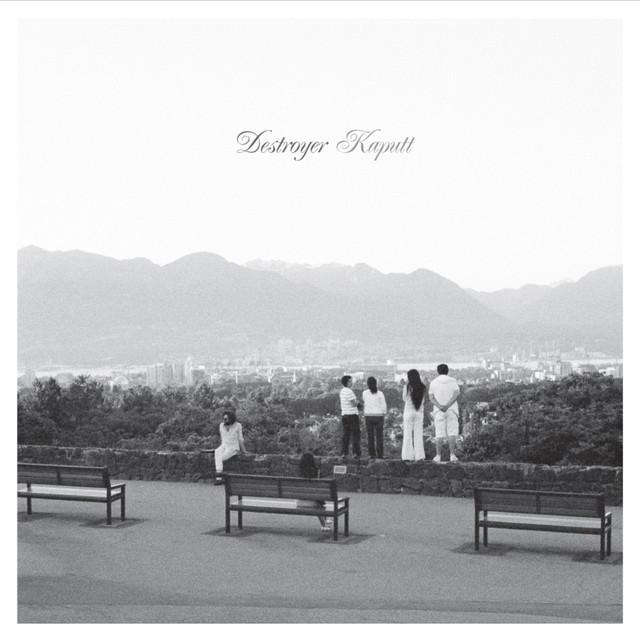
Kaputt by Destroyer: Decoding Its Beautiful Burnout
Why This Song Feels So Dazed
The meaning of Kaputt Destroyer starts with a mood: glamorous on the surface, hollow underneath. Daniel Bejar, the songwriter behind Destroyer, presents a world of nightlife, drugs, status, and music press mythology, but they do not frame it as exciting in any simple way. Instead, the song sounds like someone wandering through a faded party after the thrill is gone.
"Kaputt" - Destroyer
Chasing some girls
Alright, chasing cocaine
Loading lyrics...
Unable to load lyrics
We're unable to display the lyrics at this time. Please try again later.
At the center is a portrait of drift. The opening image of Wasting your days
points to a life spent chasing pleasure and image without real direction. When the song mentions girls, cocaine, and the backrooms of the world
, it sketches a scene of private excess rather than public triumph. The setting feels hidden, tired, and strangely sad.

Watch the official Kaputt
music video
A Narrator Watching Decay in Real Time
The voice in “Kaputt” is slippery. It addresses a “you,” but that figure may be a real person, a version of the self, or a type of aging cool-kid character. That ambiguity matters.
Interpretation: They seem to be observing someone trapped in a lifestyle built on style, appetite, and reputation. The repeated actions suggest routine rather than pleasure. This is not a tale of rebellion with a payoff. It is a loop.
The references to music magazines like Smash Hits, Melody Maker, and NME deepen that idea. Bejar uses those names as symbols of cultural approval and rock-era prestige. Yet the line sound like a dream to me
makes them feel distant and unreal. What once looked important now seems ghostly, as if fame and validation have already slipped into memory.
The World of “Kaputt” Is Stylish but Empty
One reason the song lasts in listeners’ minds is how strongly it contrasts elegance and ruin. Bejar writes in a way that makes collapse sound luxurious. Images like a toga, a prince, the ocean, the sky, and the eye all suggest grandeur, but they never settle into a stable story.
Step out of your toga
And into the fog
Those lines, brief as they are, capture the song’s method. A costume of status gives way to uncertainty. Fog replaces clarity. The “prince” imagery hints at someone once powerful or admired, but now adrift.
Interpretation: The song may be mocking the theatrical side of art-world cool, where people dress up their emptiness in high-culture language. It may also be mourning it. “Kaputt” is too dreamy to be pure satire.
How the Hook Turns Boast Into Irony
Late in the song, Bejar delivers one of its most striking lines: I wrote a song for America
. On paper, that sounds bold, even self-important. In performance, it lands with uncertainty. The follow-up, Who knew?
, undercuts the statement and turns it into a shrug.
That shift is key to the meaning of Kaputt Destroyer. The song toys with grand claims, then drains them of certainty. America here may mean the pop industry, the dream of cultural impact, or a whole national appetite for spectacle and reinvention. But the line refuses to explain itself fully.
Interpretation: Bejar may be commenting on how artists make work for a culture that barely notices, or notices for the wrong reasons. The song sounds both amused and wounded by that fact.
Sound First, Meaning Right After
The production does a huge amount of storytelling. The title track from Kaputt is known for its soft-focus sophisti-pop and art-pop textures. Its smooth saxophone, gentle groove, and floating keyboards make the track sound rich and warm, almost like a late-night radio hit from another decade.
That polish matters because it clashes with the emptiness in the words. The music invites listeners in; the lyrics show them a scene of burnout. This is one of the smartest things about the song. It does not sound jagged or angry. It sounds seduced by its own decay.
Bejar’s singing helps too. They deliver lines in a detached, half-dazed style, as if reporting from inside the haze rather than preaching from outside it. According to Merge Records, the album marked a major point in Destroyer’s career, and that refined, luxurious sound became part of its identity. In “Kaputt,” that elegance is not decoration alone; it is part of the meaning.
Fame, Coolness, and the Fear of Becoming a Cliché
A major theme in the song is the fear that a glamorous life turns people into empty symbols. The nightlife scenes, magazine references, and royal imagery all point toward mythmaking. But the song keeps puncturing the myth.
Three ideas connect the lyrics:
- Pleasure has become routine. The repeated opening lines suggest exhaustion, not thrill.
- Fame feels unreal. The press references dissolve into dream logic.
- Identity is unstable. The song keeps shifting between costume, ocean, fog, sky, and eye.
Together, those ideas make “Kaputt” feel like a song about cultural burnout. It asks what is left when scenes, drugs, style, and acclaim stop giving a person shape.
More Than Cynicism
It would be easy to read the song as pure sneering, but that misses its emotional core. There is tenderness in the way Bejar lingers inside this broken world. They do not simply condemn the character at its center. They seem fascinated by how people keep chasing beauty even when they know it is fading.
That is why “Kaputt” remains compelling. It is about collapse, but it is also about the strange grace of collapse. It hears sadness inside coolness and emptiness inside luxury.
The Lasting Meaning of Kaputt Destroyer
In the end, the meaning of Kaputt Destroyer is less about one fixed plot than one emotional truth: people can get lost in glamour, taste, and self-invention until their lives start to feel dreamlike and unreal. The song turns decadence into a mirror.
Its genius is that it never explains too much. It lets listeners drift through the fog and feel the burnout for themselves.
Disclaimer: This article offers interpretation based on the lyrics, performance, and available context. As with many Destroyer songs, ambiguity is part of the design, so other readings are possible.







