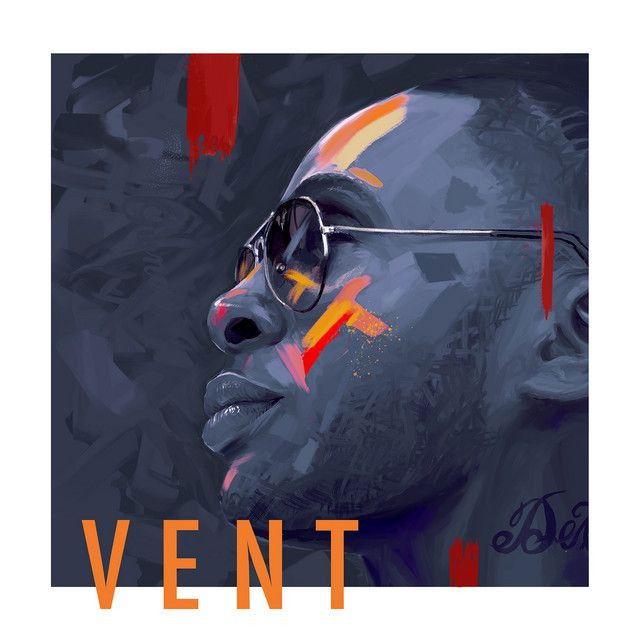
Twinkle by Dexta Daps: Lust, Risk, and Control
The meaning of Twinkle Dexta Daps is not subtle: it is a dancehall song about desire that moves fast from secret conversation to physical obsession. What makes it interesting is not just its explicit content. It is the way the song links sex, ego, cheating, and emotional pull into one tight loop.
"Twinkle" - Dexta Daps
Pon di phone 'bout cheatin'
Seh she have a man but she wan' leave him
Loading lyrics...
Unable to load lyrics
We're unable to display the lyrics at this time. Please try again later.
Dexta Daps has built a reputation in Jamaican dancehall for songs that mix sensuality with confessional intensity, a style noted across artist profiles and coverage such as Apple Music and The FADER. In "Twinkle," they lean hard into that lane. The result is a song that feels less like seduction and more like a contest for power.
What the Song Is Really Saying
On the surface, the plot is simple. Two people stay up late talking, and one of them is already involved with someone else. When the lyric says up all night speakin'
, it frames the connection as private and intimate before the song turns physical.
From there, the narrator treats the affair as proof of their hold over the other person. The song is full of boasting, but the bragging points to a deeper theme: pleasure becomes a form of influence. Interpretation: the narrator is not only celebrating chemistry; they are using it to claim superiority over the woman’s current partner and over anyone else who came before.
That is why the opening mention of cheating matters. It gives the whole track a feeling of transgression. The relationship is exciting partly because it breaks rules.
Watch the official Twinkle
music video
A Story of Temptation, Not Commitment
Even though the song is sexual, it also hints at emotional fallout. One key phrase, get in har feelings
, suggests that the physical connection is no longer just physical. That matters because it changes the stakes.
The narrator presents the situation as if both people know it cannot remain casual. The song even says they cannot just be friends, which pushes the encounter from hookup territory into obsession. Still, there is no real promise of love here.
Instead, the song lives in a familiar dancehall tension: desire feels real, but it does not automatically lead to trust. Interpretation: "Twinkle" is about what happens when sexual intensity gets mistaken for emotional certainty.
How the Hook Turns Bodies Into Symbols
The chorus is where the song’s title starts to make sense. The phrase just a twinkle
gives the track its signature image. In plain terms, the hook turns physical attraction into something sparkling, bright, and impossible to ignore.
That image is important because it softens the song’s rawness for a moment. The narrator still describes explicit acts, but the word “twinkle” adds a playful, almost dreamy shine. It suggests fascination as much as gratification.
There is also a second image that matters: open up like a window
. Paraphrased, this presents the partner as available, exposed, and receptive. Interpretation: together, the “window” and “twinkle” images make the body seem both visible and magical, which fits the song’s mix of boasting and awe.
The Power Dynamic at the Center
One reason the meaning of Twinkle Dexta Daps stands out is that the narrator keeps turning intimacy into dominance. The lyrics are not balanced between two voices. Even when the woman speaks, her role is mostly to confirm the narrator’s effect on her.
That is why the song can feel less romantic than possessive. The narrator wants to be unforgettable, exclusive, and unmatched. A phrase like best pussy by far
shows admiration, but it also places the relationship inside a ranking system. Everything becomes comparison: this partner versus the other man, this encounter versus all others.
In that sense, the song is about control as much as pleasure. The thrill comes from being chosen, but also from believing they caused that choice.
How the Sound Supports the Meaning
Musically, the track uses a smooth, modern dancehall approach rather than a frantic one. That matters. A slower groove lets the vocals stretch out, making the delivery sound intimate and deliberate instead of chaotic.
This kind of production style is common in contemporary dancehall, where sparse percussion, deep bass, and melodic vocal phrasing often create a late-night mood, as discussed in genre overviews from sources like BBC and Rolling Stone. In "Twinkle," that sonic space helps the lyrics land as seductive confession and swagger at the same time.
The hook also repeats enough to feel trance-like. Repetition matters here because obsession is one of the song’s main themes. By returning to the same images again and again, the track mimics the way intense desire can narrow attention until nothing else seems to matter.
Artist Context and Writing Credit
The user-supplied lyric sheet names Louis Anthony Grandison as the writer. That is an important factual detail for crediting authorship within this reading.
In the broader context of Dexta Daps’ catalog, the song fits their public image: sensual, emotionally charged, and often built around blurred lines between sex and attachment. That consistency is part of why listeners read "Twinkle" not as a novelty track, but as another entry in a larger persona.
Final Reading: Why "Twinkle" Connects
So what is the final takeaway on the meaning of Twinkle Dexta Daps? The song is about more than explicit pleasure. It dramatizes the moment when lust starts to feel like leverage, when secrecy adds excitement, and when physical chemistry becomes a claim of emotional importance.
Its appeal comes from that mix of heat and tension. The narrator sounds thrilled, proud, and slightly consumed by the connection. That makes "Twinkle" less a celebration of love than a snapshot of desire at full voltage.
Disclaimer: This interpretation is based on the lyrics provided and general artist context. As with most songs, meaning can vary from listener to listener.








