Why 'Come On Eileen' Still Feels So Urgent
The meaning of Come On Eileen Dexys Midnight Runners goes far beyond a catchy chorus. On the surface, it sounds like a breathless plea from one young person to another. Underneath, it is also a song about class, repression, desire, and the need to escape a life that already feels decided.
"Come On Eileen" - Dexys Midnight Runners
Come on, Eileen
Poor old Johnnie Ray
Loading lyrics...
Unable to load lyrics
We're unable to display the lyrics at this time. Please try again later.
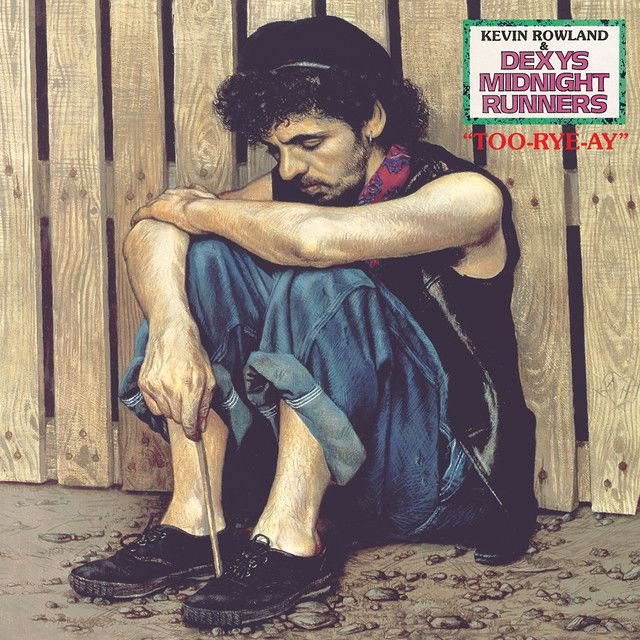
Released in 1982 on Too-Rye-Ay, the single became a massive hit in the UK and the US, reaching No. 1 on both major charts and winning Best British Single at the 1983 Brit Awards. It was produced by Clive Langer and Alan Winstanley and credited to Kevin Rowland, Jim Paterson, and Billy Adams. Those facts help show why the song became more than a novelty sing-along: it was built with pop ambition and emotional tension.
More Than a Shout-Along Hook
At first listen, the song centers on attraction. The narrator fixates on Eileen and openly admits desire, especially in lines around that pretty red dress
and thoughts that verge on dirty
. The key is that the song does not present this feeling as casual. It sounds urgent, awkward, and almost desperate.
That urgency matters. This is not polished romance. It feels like a young person trying to speak honestly in a culture where honesty about sex and longing is difficult.
Interpretation: The song is partly about sexual awakening, but it is just as much about what happens when private desire crashes into social rules.

Watch the official Come On Eileen
music video
The World Around Eileen Feels Trapped
The verses make the song wider than a love story. Early on, the reference to Poor old Johnnie Ray
brings in an older world of public sadness and family memory. The song remembers mothers crying along to the radio, which suggests that longing and disappointment have already been passed down through generations.
Then the social picture gets sharper. The local people are described as worn down and resigned. In plain terms, the song imagines a neighborhood where adults look defeated, as if life has pressed the hope out of them.
That contrast is one of the song's most important moves:
- older generation shaped by disappointment
- younger generation refusing that fate
- desire becoming a form of rebellion
When the narrator insists not us
, the song stops being only about Eileen. It becomes a small declaration of independence.
A Youth Anthem Hidden Inside a Love Song
One reason the track still connects is that it joins two kinds of hunger. One is romantic and physical. The other is social: the need to get out, grow up, and avoid becoming stuck.
Kevin Rowland later said there was no single real Eileen, calling her a composite figure used to make a point about Catholic repression. That comment is crucial to understanding the song. Eileen is not just a crush; she also stands for the emotional blockages created by strict moral codes and closed-off communities.
At this moment
you mean everything
Those lines are simple, but they hit hard because they frame desire as total and immediate. The narrator is not making a lifelong promise. They are describing the overwhelming force of the present.
Interpretation: The song treats young desire as messy but truthful, especially compared with the numb acceptance shown by the adults in the background.
Why the Music Sounds Like Escape
The music does a huge amount of meaning-making here. Dexys avoided the sleek synth sound that dominated much early-'80s pop and instead used fiddle, banjo, accordion, and a strong rhythmic pulse. That gave the record a Celtic folk-pop character that felt rowdy, earthy, and communal.
This matters because the arrangement mirrors the lyrics. The song begins with tension and memory, then keeps expanding until it sounds like a whole street joining in. The famous Too-ra-loo-ra
refrain works almost like a release valve. It is not analytical language; it is emotional overflow.
By the end, the performance becomes nearly physical in its energy. The speeding rhythm and group vocals make escape feel audible, as if the band is trying to outrun the sadness described earlier.
Why It Became Such a Huge Hit
The song's popularity was not just about the chorus. Its video, directed by Julien Temple, helped fix its image in pop culture, while MTV exposure boosted it in America. It also stood out because it did not sound like everything else around it.
In commercial terms, its success was enormous. It was the best-selling single in the UK in 1982, later sold over 1.3 million copies there, and famously knocked Michael Jackson's Billie Jean out of the No. 1 spot on the US chart before Jackson returned with Beat It.
But statistics only explain so much. The deeper reason it lasted is that the song balances opposites:
- innocence and lust
- nostalgia and rebellion
- sadness and celebration
- individual longing and group release
The Lasting Meaning of Come On Eileen Dexys Midnight Runners
So what is the meaning of Come On Eileen Dexys Midnight Runners? The best answer is that it is a song about wanting more than the life in front of you. Eileen is the immediate focus, but the real target is a whole atmosphere of repression, routine, and inherited disappointment.
That is why the song still feels bigger than its famous hook. It captures a moment when desire becomes a refusal: refusal to stay numb, refusal to grow resigned, refusal to let the future be chosen by the past.
That reading is an interpretation, not a final fact. Like many great pop songs, "Come On Eileen" stays alive because it leaves room for listeners to hear both the romance and the revolt.








